Taiwan Takes Center Stage as Arm and Nvidia Point to the Next Era of AI PCs
At COMPUTEX on June 2, Arm CEO Rene Haas highlighted Taiwan’s crucial role in the company’s rise, saying the island’s technology ecosystem has been deeply connected to Arm’s growth for the past three decades. His message was clear: Taiwan is not just a manufacturing powerhouse, but a driving force behind the global semiconductor industry and the next wave of artificial intelligence computing.
Taiwan’s importance to Arm has grown alongside the expansion of mobile devices, cloud infrastructure, edge computing, and now AI-powered PCs. Over the last 30 years, Arm-based chip designs have become a foundation for billions of devices worldwide, from smartphones and tablets to servers, cars, and connected devices. Much of that success has been supported by Taiwan’s advanced chipmaking, hardware engineering, and supply chain expertise.
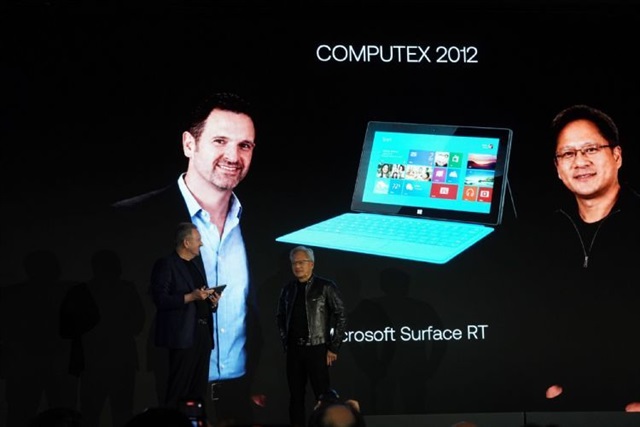
The keynote also placed a strong spotlight on the future of personal computing. Nvidia CEO Jensen Huang said agentic AI is set to bring the biggest transformation to the PC industry in 40 years. Unlike traditional software tools that wait for user commands, agentic AI systems are designed to understand goals, plan tasks, make decisions, and assist users more proactively.
This shift could reshape how people use computers every day. Future AI PCs may be able to organize workflows, summarize information, generate content, manage schedules, automate repetitive tasks, and help users complete complex projects with far less manual effort. Instead of simply running applications, PCs could become intelligent assistants capable of working across apps, data, and cloud services.
The rise of agentic AI also increases demand for more powerful and efficient processors. AI workloads require fast performance, low power consumption, and the ability to process data both locally and in the cloud. That plays directly into the strengths of companies focused on advanced chip architecture, high-performance computing, and energy-efficient designs.
For Taiwan, this new AI era represents another major opportunity. The island is already central to the global technology supply chain, especially in semiconductors, advanced manufacturing, motherboards, laptops, servers, and AI hardware. As AI PCs become more common, Taiwan’s role could become even more influential.
The comments from both executives reflect a broader industry trend: artificial intelligence is moving beyond data centers and into everyday devices. PCs, laptops, smartphones, cars, and industrial machines are all expected to become smarter as AI capabilities become built into hardware and software at a deeper level.
The next phase of computing may not be defined only by faster chips or thinner laptops, but by how intelligently devices can assist users. With Arm emphasizing Taiwan’s long-term importance and Nvidia pointing to agentic AI as a historic turning point, COMPUTEX made one thing clear: the future of the PC industry is being shaped by AI, advanced semiconductors, and Taiwan’s powerful technology ecosystem.


