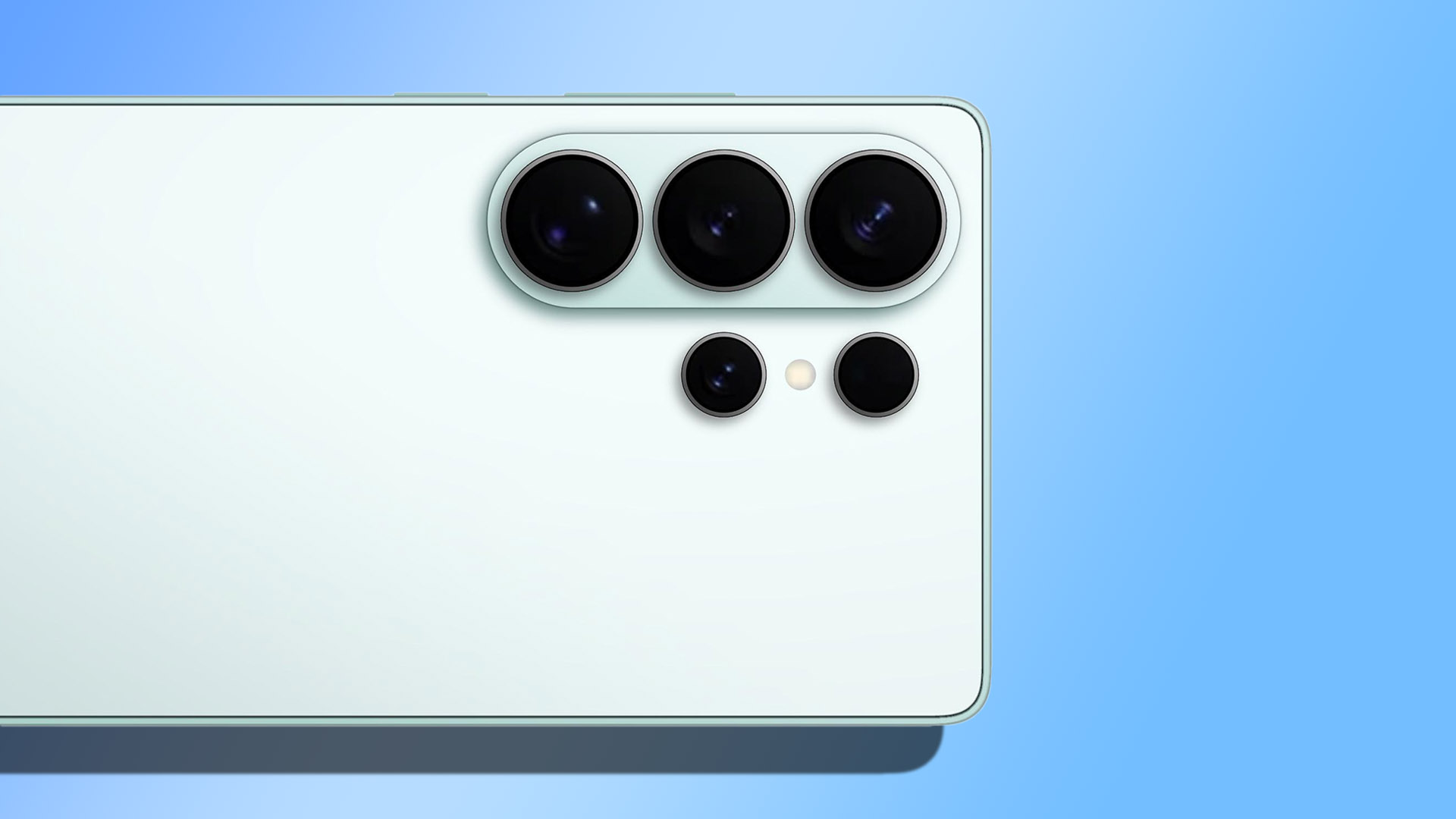
Galaxy S26 Ultra tipped to return to aluminum: cost, cooling, and 2nm chips could make the switch inevitable
Reports increasingly point to a material rethink across top-tier smartphones. After experimenting with titanium alloy, Apple is said to be moving the iPhone 17 Pro line back to aluminum. Higher material costs compounded by tariffs, along with paint-chipping concerns, have reportedly nudged the company toward a lighter, more thermally efficient frame. That shift could ripple through the industry and push Samsung to make a similar decision for the Galaxy S26 Ultra.
Why aluminum suddenly makes a lot of sense
Flagship phones are getting more expensive to build, and semiconductors are a major reason. Fabless chipmakers rely heavily on the latest wafer technology, and recent price hikes have hit hard. Snapdragon 8 Elite Gen 5 and Dimensity 9500 reportedly cost up to 24% more, and the jump to 2nm next year is expected to squeeze budgets further. When component prices climb, brands look for savings elsewhere without compromising performance. Aluminum checks two important boxes: it’s cheaper to produce at scale and it conducts heat better than titanium or stainless steel.
For Samsung, there’s an additional layer. After leaning on Qualcomm for roughly three years, the company’s chipset spending has ballooned:
– 2023 smartphone chipset expenditure: 11.38 trillion won (about $8.5 billion)
– 2024 smartphone chipset expenditure: 11.73 trillion won (about $8.8 billion), a 3.53% increase
Reverting to aluminum can trim bill-of-materials costs and help keep thermals in check, which in turn supports higher sustained performance.
The Exynos 2600 and Samsung’s 2nm pivot
To reduce reliance on third-party silicon and rein in costs, Samsung is preparing the Exynos 2600 on its 2nm GAA process. If it lands in some Galaxy S26 Ultra models, it would mark the first time in years that Samsung’s top device ships broadly with in-house silicon. Early single-core and multi-core numbers look promising, and a competitive Exynos would do more than cut costs—it could also reignite Samsung’s foundry ambitions. A viable second source for leading-edge chips benefits the broader ecosystem by easing supply constraints and price pressures.
Aluminum vs. titanium: the real-world trade-offs
No material is perfect. Moving back to aluminum comes with pros and cons that depend on design, finish, and drop dynamics.
Upsides
– Better heat transfer, aiding sustained performance and reducing throttling
– Lower cost and easier mass production
– Potentially improved comfort due to cooler-to-the-touch surfaces under load
Potential downsides
– Slightly higher weight compared to titanium
– Durability nuances vary by impact angle and design. Some tests suggest corner impacts can be more punishing on certain aluminum builds, while glass backs can still suffer in rear-impact drops regardless of frame material.
– Paint chipping is a known risk if the coating process isn’t dialed in. It’s not clear how widespread this is, but it’s something manufacturers are clearly watching and refining.
What it could mean for performance
A cooler chassis paired with a larger vapor chamber opens the door to higher sustained clocks. There’s already chatter that the next Snapdragon “for Galaxy” variant may push performance cores to around 4.74 GHz versus a 4.60 GHz baseline. With better heat dissipation from an aluminum frame, the Galaxy S26 Ultra could deliver more consistent single-core and multi-core results, along with steadier gaming performance and fewer throttling dips.
So, will the Galaxy S26 Ultra switch to aluminum?
Given rising chipset costs, the push toward 2nm, and aluminum’s compelling balance of thermals, manufacturability, and price, a move back to aluminum in 2026 looks increasingly likely. The material aligns with Samsung’s cost-control strategy and performance targets, especially if Exynos 2600 joins the lineup to lessen dependence on outside suppliers.
Your take matters. Do you think Samsung will opt for aluminum on the Galaxy S26 Ultra? If so, is it for cost, cooling, or both?