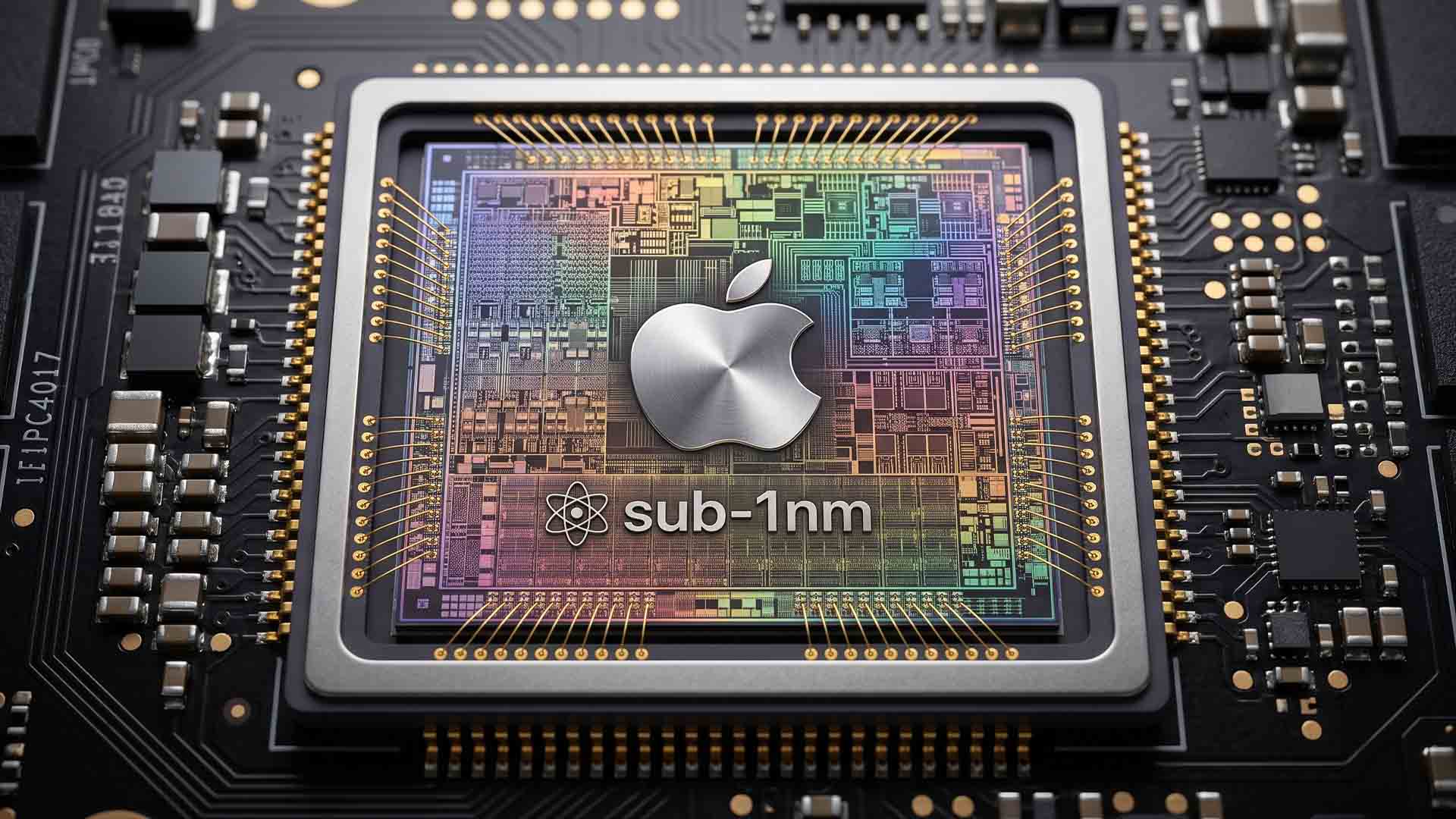
The semiconductor race is about to get even more intense. The first wave of 2nm chipsets is expected to arrive later this year, with Apple preparing its A20 and A20 Pro chips for the iPhone 18 lineup. But in chipmaking, the next leap is always around the corner—and a new report suggests the industry is already looking beyond 2nm toward something far more ambitious: sub-1nm manufacturing.
According to the report, TSMC, Apple’s key chip production partner and the world’s largest contract chipmaker, is aiming to reach a major new milestone by moving to sub-1nm process technology within the next few years. Trial production is reportedly planned for 2029, signaling that the company’s next-generation roadmap goes well beyond today’s most advanced nodes.
Before sub-1nm arrives, TSMC is expected to push forward with additional cutting-edge processes. The company is said to be targeting mass production of its 1.4nm process, known internally as A14, in 2028. This node is claimed to deliver up to a 30 percent improvement in performance and power efficiency, which could translate into faster devices, better battery life, and improved thermal control across everything from smartphones to AI hardware.
TSMC is also expected to serve customers with its A16 node (around 1.6nm), but the real engineering mountain will be making sub-1nm wafers at scale with usable yields. That challenge is one of the biggest reasons why trial production, not mass production, is the milestone being discussed for 2029.
The report says TSMC intends to use multiple facilities to support this next leap, including its Tainan A10 facility along with its P1 through P4 plants. Early on, the goal is reportedly set at 5,000 wafers per month for the sub-1nm trial phase—an important starting point, but still small compared to the volumes required for global flagship launches.
Demand pressure is another major reason TSMC’s roadmap matters right now. AI chip orders have been surging and continue to consume massive production capacity across advanced nodes. At the same time, iPhone demand remains a consistent high-volume driver for leading-edge silicon, so it wouldn’t be surprising if Apple ends up paying premium pricing to secure early batches—something that has happened before when new manufacturing technologies are supply-constrained.
Even if sub-1nm trial production begins on schedule, mass production is a different story. Yields—the percentage of functional chips produced per wafer—often become the key bottleneck as nodes shrink. In fact, concerns around yields are already influencing how the market thinks about next-gen mobile processors, with a circulating rumor suggesting some smartphone makers may be forced to use downgraded chipsets in certain “flagship” models, saving the best silicon for the highest-end “Ultra” variants where price margins can absorb limited supply.
If TSMC can hit its targets, sub-1nm chips could open the door to major gains in performance per watt—exactly what the industry needs as phones, laptops, and AI devices chase higher speeds without sacrificing battery life or thermals. For now, all eyes are on how smoothly 2nm ramps up, how quickly A14 progresses toward 2028, and whether sub-1nm can move from an ambitious roadmap item into real-world silicon by the end of the decade.