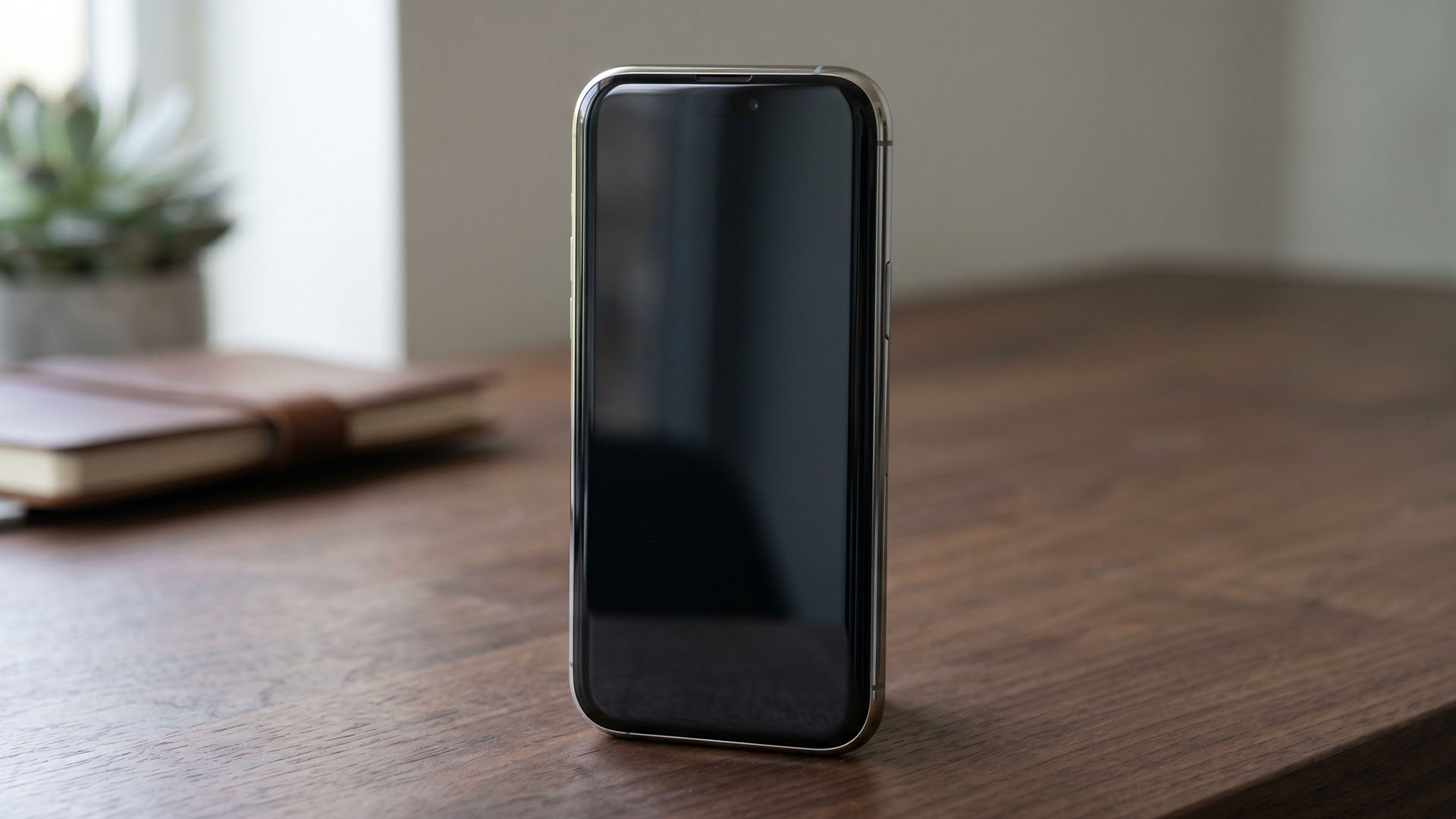
Apple’s long-running display partnership with Samsung may be gearing up for its biggest leap yet, with a new rumor suggesting next-generation OLED panels that could make future iPhones thinner, brighter, and more power efficient. The same chatter also points to a dramatic redesign down the road: a quad-curved display that could debut on a milestone iPhone release, potentially tied to the iPhone’s 20th anniversary.
One of the key terms in the rumor is “filterless” display tech, which refers to Samsung’s CoE approach, short for Color Filter on Encapsulation. In practical terms, CoE reworks parts of the OLED stack by removing a thicker layer that’s traditionally used in the display structure. The benefit is straightforward: the panel assembly can become slightly slimmer while also improving brightness efficiency.
Because the OLED can reach the same on-screen visibility using less power, CoE-style displays can help reduce energy consumption during everyday use. That can translate into better battery life and less strain when pushing higher brightness levels outdoors. The rumor suggests Samsung is preparing this technology for Apple’s future iPhones, though it remains unclear exactly which generation would be first in line.
Alongside CoE, the more eye-catching claim involves a quad-curved iPhone design. Apple has largely embraced flat display styling in recent years, but a shift to curves on all sides could create a more seamless “all screen” look, with bezels that appear nearly invisible. If Apple goes this route, the result could be an iPhone silhouette that feels more like a smooth pebble—visually striking, but also potentially more delicate than today’s flatter designs.
To make that full-screen illusion convincing, the rumor aligns with other ongoing industry talk: Apple would need to push more components under the display. That includes under-display Face ID and a front-facing camera positioned behind the OLED. Of course, this kind of design only makes sense if Apple can maintain image quality for selfies and video calls, and preserve the reliability and speed of facial recognition. Compromises in either area would be hard to justify on a premium flagship.
From a supply chain perspective, the bigger story is how important Samsung remains to the future of iPhone display innovation. The company has years of experience producing advanced OLED panels at massive scale, and rumors continue to indicate it’s investing heavily to meet Apple’s evolving requirements across multiple product categories, including foldable devices.
For Apple, next-gen OLED improvements like CoE and new form factors could offer a compelling upgrade path beyond processor and camera gains. For consumers, it could mean iPhones that look more futuristic, feel thinner in the hand, and potentially last longer on a charge—all while keeping the premium display quality people expect.
For now, it’s still a rumor, and timelines are uncertain. But if these display changes materialize, they could mark one of the most noticeable iPhone design evolutions in years, driven by a deeper push into advanced OLED engineering and edge-to-edge screen design.


