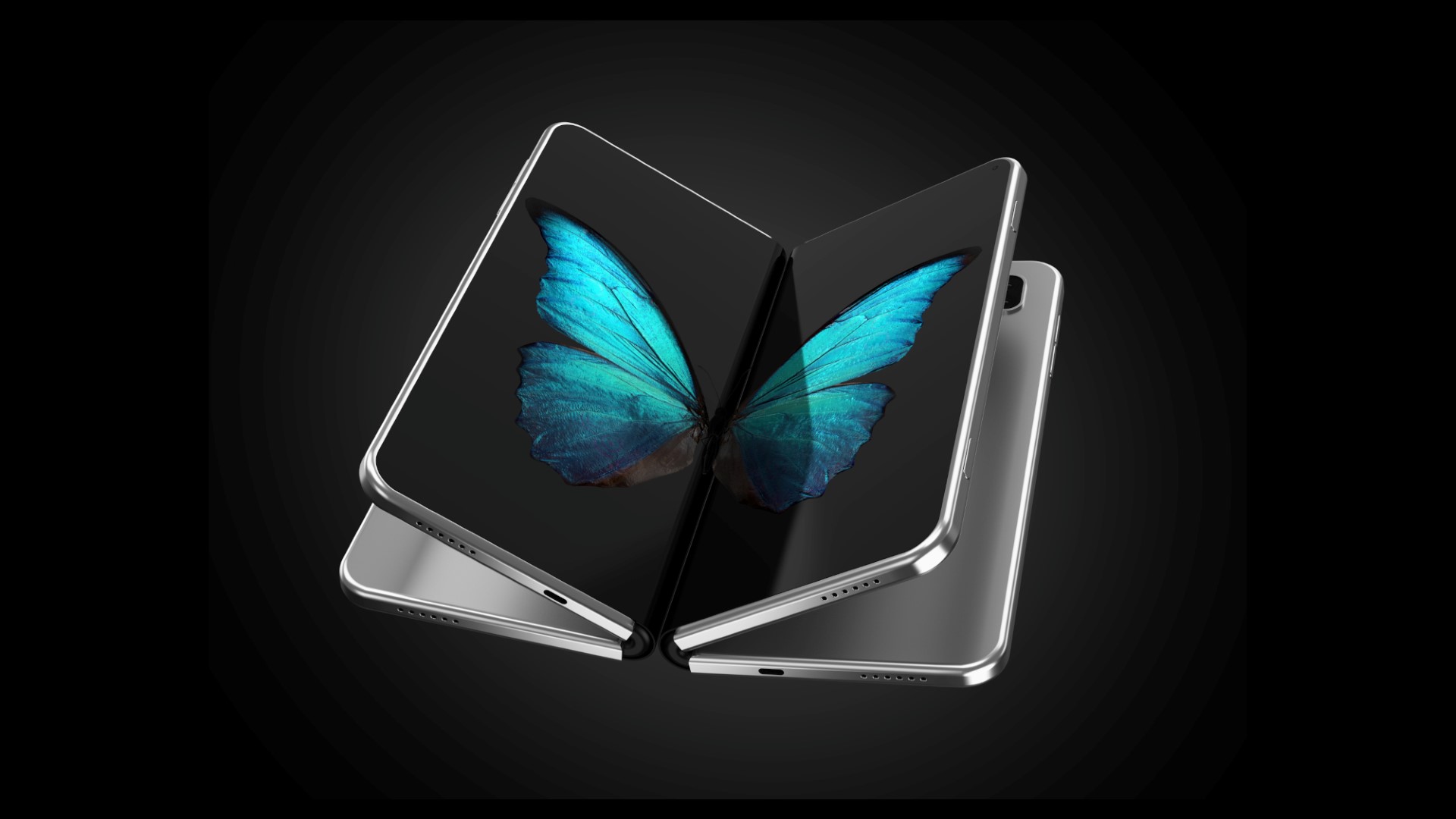
Apple may be preparing a major display upgrade for its next wave of iPhones, and the goal is simple: make screens thinner while also getting brighter and more power-efficient. A new report claims Apple is looking to adopt Samsung’s Color Filter on Encapsulation (CoE) OLED technology for two upcoming devices—the long-rumored iPhone Fold and the iPhone Air 2.
If this plan moves forward, it could help Apple deliver sleeker hardware without sacrificing display quality, while also improving battery-friendly efficiency—exactly the kind of behind-the-scenes change that can have a big impact in everyday use.
How CoE OLED could make iPhone displays thinner and more efficient
Traditional OLED panels usually rely on a polarizing film layered on top of the display. That film is useful because it reduces glare and can improve perceived contrast. The trade-off is that it also blocks some of the light produced by the OLED panel, which means the screen has to work harder to reach the same brightness. That can translate into lower efficiency.
With Color Filter on Encapsulation (CoE), the idea is to remove the polarizing film entirely. Instead, the color filter is applied directly onto the OLED panel’s encapsulation layer (the protective layer that seals the OLED). By skipping the polarizer, the display stack can become thinner and lighter, and the panel can potentially deliver improved brightness and efficiency because less light is being absorbed before it reaches your eyes.
In other words, Apple could get more performance out of the same display power—helpful for ultra-thin phones where battery space is limited, and especially important for a foldable where space is at a premium.
iPhone Fold and iPhone Air 2 timing: what to expect
The same report suggests Apple could be targeting a third-quarter 2026 launch window for the iPhone Fold, potentially arriving alongside the iPhone 18 Pro and iPhone 18 Pro Max.
The iPhone Air 2, however, sounds less certain. Apple is reportedly still deciding whether to release it in late 2026 or hold it for 2027. One detail floating around is that the iPhone Air 2 could include a dual-camera setup and a lower price point, but the timeline remains in flux. That uncertainty is worth keeping in mind, because repeated claims of a spring 2027 release may not be final.
The iPhone Fold’s big promise: a nearly crease-free display
Foldable phones live and die by their screens, and the crease has been one of the most stubborn compromises of the category. The iPhone Fold’s headline feature is expected to be a display with little to no visible crease.
The report describes an approach that comes down to smart mechanical engineering: a laser-perforated metal plate placed under the foldable OLED panel. Those perforations are designed to help distribute the pressure differently each time the device folds, reducing stress concentration near the hinge area. By spreading out the force, the crease can be minimized—potentially to the point that it becomes hard to notice in normal use.
iPhone Fold display size and form factor rumors
Current expectations point to a passport-style foldable design with a wider shape rather than a tall, narrow fold.
Rumored sizing includes:
A primary inner display around 7.7 inches
A cover display around 5.4 inches
iPhone Fold rumored specs and features
While Apple hasn’t confirmed anything, this is the list of details currently being discussed for the iPhone Fold:
A dedicated vapor chamber for improved cooling
2,713 x 1,920 resolution with a 4:3 aspect ratio
Side-mounted Touch ID instead of Face ID
A20 Pro chip, paired with 12GB of RAM and an in-house C2 5G modem
48MP dual-camera system on the rear
An in-display camera rumored up to 24MP
Battery capacity estimated between 5,400mAh and 5,800mAh
An expected launch in the second half of 2026
eSIM-only configuration
Projected price around $2,399
First-year shipments estimated between 7 million and 9 million units
Why this matters for Apple’s next iPhones
If Apple adopts CoE OLED technology, it could signal a broader push toward more efficient, thinner displays across the lineup—especially for form factors that depend on aggressive space savings, like foldables and ultra-slim models. Pair that with a serious attempt at a crease-free foldable screen, and the iPhone Fold could end up being less of an experiment and more of a premium, high-volume flagship category of its own.
For now, these details remain in the rumor stage, but the direction is clear: Apple is exploring display engineering changes that could noticeably improve brightness, thickness, and efficiency—three upgrades iPhone buyers tend to care about most.