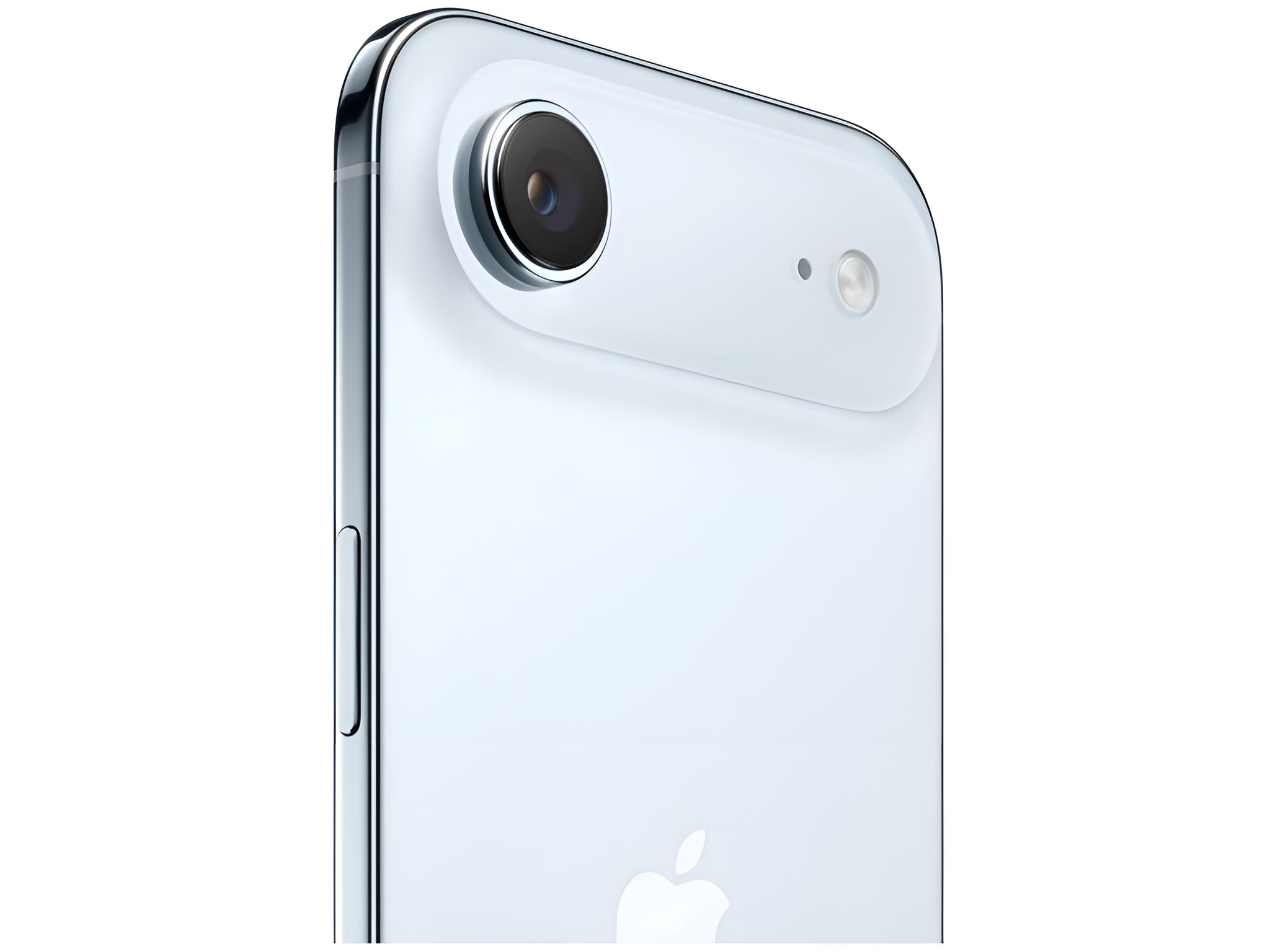
Apple appears ready to give its ultra-thin iPhone experiment another shot. Despite chatter that the first iPhone Air didn’t meet expectations, a new leak suggests Apple is still planning iPhone Air 2—and it may arrive on the company’s usual fall schedule in 2026 with only modest changes.
According to a Weibo-based tipster known as Fixed Focus Digital, feedback from the production line points to a fall release for iPhone Air 2. The same source also claims the update will be “very small,” describing it as a standard year-over-year refresh rather than a major redesign. In other words, anyone expecting a dramatic spec jump may want to keep expectations in check.
That timing is noteworthy because there have been conflicting reports about when iPhone Air 2 will actually launch. One recent report claimed Apple had pushed the device back to spring 2027. The reason for the rumored delay has also been debated: some talk centered on Apple potentially moving the ultra-slim model to a dual-camera setup, while other reporting suggested the schedule could be tied to Apple’s next-generation A20 chip.
The A20 is rumored to be a particularly important leap, potentially using TSMC’s 2nm process and an advanced packaging approach called Wafer-Level Multi-Chip Module (WMCM). WMCM packaging can integrate key components—such as the system-on-chip and DRAM—more directly at the wafer level, which could improve performance and efficiency. Adding to that narrative, new information indicates TSMC is ramping up its WMCM packaging capacity heading into 2027, which lines up with claims that this packaging method could be central to Apple’s next wave of devices.
Still, if iPhone Air 2 is a lower-volume model—as ultra-thin niche variants often are—a fall 2026 launch may be easier to accommodate even if cutting-edge chip packaging is in limited supply. It could also help explain why the new leak emphasizes minor changes: Apple may be aiming to keep the Air line lean and focused rather than turning it into a full-blown flagship alternative.
Another interesting piece of the puzzle involves the display. A separate report says Apple may use Samsung’s Color Filter on Encapsulation (CoE) OLED technology for the iPhone Air 2 (and the iPhone Fold). CoE OLED is designed to make panels lighter and more power-efficient by removing the traditional polarizing film used in many OLED screens. That polarizing layer helps reduce glare and improve contrast, but it also absorbs some light—meaning the display must work harder to reach the same brightness. With CoE, the color filter is applied to the encapsulation layer instead, potentially improving efficiency and reducing overall panel weight—two benefits that fit perfectly with an ultra-slim iPhone design.
For now, the big takeaways are these: iPhone Air 2 is again being tipped for a fall 2026 launch, the upgrades may be minimal, and the rumored dual-camera change may not happen. As with any early iPhone leak, plans can shift, but the latest signals suggest Apple is still committed to keeping an ultra-thin iPhone option in the lineup—just without reinventing it overnight.