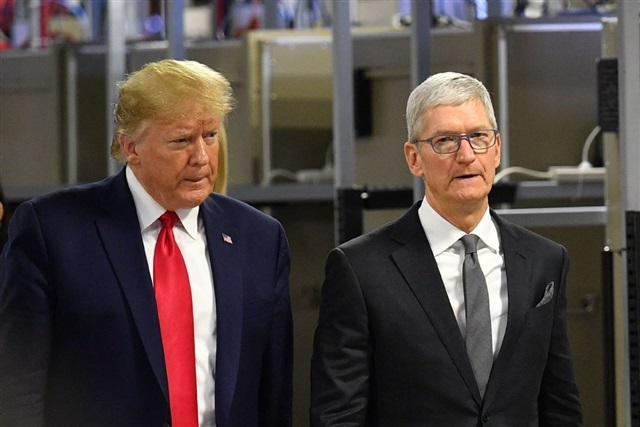
Apple is preparing for a leadership handoff at a moment when the rules of global business are shifting fast. The company’s incoming CEO won’t just inherit a product roadmap and a massive customer base; they’ll step into a rapidly changing geopolitical and regulatory climate that could shape everything from supply chains to pricing, and even how Apple designs and delivers its services.
A big part of the challenge comes from diplomacy and politics. Apple operates at a global scale, which means its next chief executive will need to manage relationships with governments and world leaders across multiple regions at once. Trade policy can change quickly, and when it does, it can ripple through manufacturing timelines, component costs, and where Apple chooses to build and source its devices. Decisions around production hubs, logistics routes, and long-term supplier strategy are no longer just operational questions—they’re increasingly tied to national interests and international negotiations.
Regulation is the other major pressure point, and it’s growing more complex. Around the world, policymakers are taking a harder look at the power large technology companies hold over app marketplaces, digital services, advertising, and consumer data. For Apple, that scrutiny can translate into new compliance requirements, potential changes to how its platforms operate, and limits on certain business practices. Antitrust concerns, in particular, carry the potential to influence App Store policies, developer rules, and how Apple positions its services across iPhone, iPad, Mac, and beyond.
The stakes are high because these issues don’t happen in isolation. Political shifts can influence regulatory priorities. Regulatory rulings can alter business models. Trade restrictions can force supply-chain adjustments that impact product availability and margins. Navigating those crosscurrents will require a CEO who can balance firm positions with pragmatic negotiation—protecting Apple’s long-term strategy while reducing the risk of sudden disruptions.
For Apple fans and investors, this transition is about more than a change at the top. It’s about whether the company can maintain momentum while adapting to an era where global trade tensions, government oversight, and antitrust enforcement are becoming central forces in the tech industry. The next CEO will be judged not only on innovation and performance, but also on how effectively Apple can operate under intensifying political and regulatory pressure worldwide.