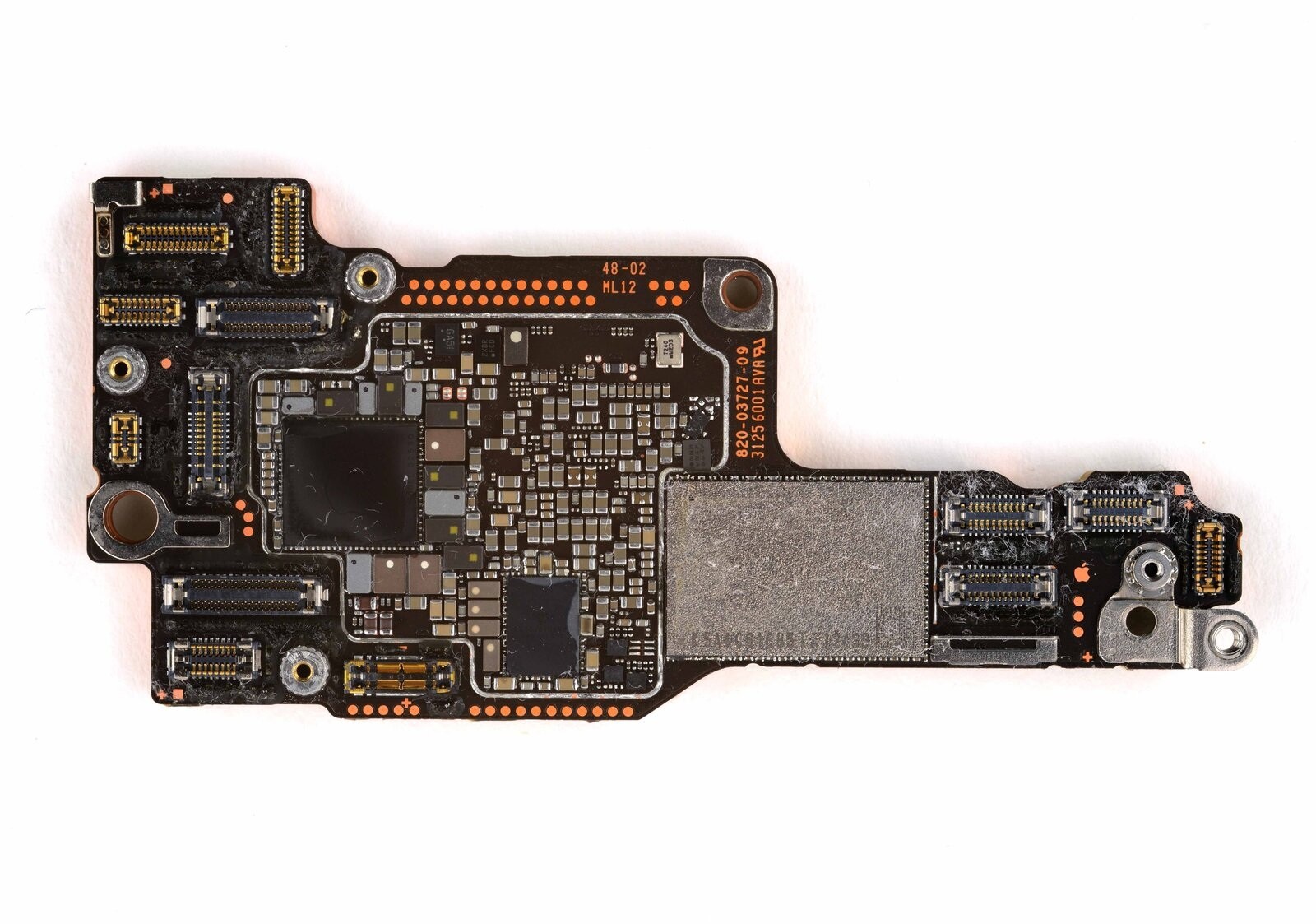
Apple may be doing everything it can to prevent an iPhone 18 price increase, but rising memory costs could make a hike hard to avoid. Behind the scenes, the biggest pressure point appears to be storage pricing, with a new rumor suggesting Apple could end up paying significantly more for NAND flash—one of the most important components in every iPhone.
One possible path Apple could take is to hold the line on pricing for the iPhone 18 base models to reduce sticker shock and keep entry pricing attractive. If Apple chooses that approach, the increased component costs may be pushed to higher-tier configurations instead. In other words, iPhone 18 models with larger internal storage could see the biggest price jump, while lower-storage versions might stay closer to last year’s pricing to protect demand.
The rumor points to an arrangement involving NAND flash supplier Kioxia, with terms that could result in Apple paying as much as double for storage. Even then, it doesn’t necessarily mean Apple is “locked in” and protected from future market swings. Memory supply contracts can change frequently, and the report suggests the current NAND pricing applies to the January–March quarter, with another adjustment expected in the April–June period. That kind of quarter-by-quarter volatility makes it difficult for any smartphone maker to guarantee stable pricing long-term, even one as large as Apple.
What makes this situation especially notable is that Apple has previously worked to protect its supply chain by using a broad mix of memory partners. The iPhone 17 lineup reportedly involved as many as five DRAM and NAND flash suppliers, including Kioxia. Yet even with multiple suppliers in play, Apple still may not be able to completely dodge the broader price pressures impacting the memory market. The takeaway is clear: if memory costs rise across the board, even a well-diversified supply chain has limits.
There is, however, a financial buffer Apple can lean on. Analysts have noted that Apple’s Services business provides a major cushion during periods when hardware margins get squeezed. With Services bringing in $30.013 billion during Apple’s record Q1 2026 quarter, that steady, high-margin revenue stream could help Apple absorb some of the increased costs for components like DRAM and NAND flash across multiple product lines. Some industry watchers argue that eating part of the cost increase—at least temporarily—could help Apple maintain momentum and protect its brand image during a chaotic market.
Still, Apple’s ability to shield consumers depends on how severe and how persistent the component inflation becomes. If storage and memory pricing continues to reset each quarter, Apple could be forced into tougher decisions: accept lower margins, raise prices, or rework storage tiers and configuration pricing to spread the impact.
Interestingly, there may be a longer-term opportunity emerging. Chinese memory makers CXMT and YMTC have reportedly been removed from the Pentagon’s restricted list, opening the door for Apple to potentially explore new supply partnerships. If Apple can diversify further and negotiate more favorable terms, it could ease some of the pressure in future iPhone generations—especially if current suppliers continue raising prices.
For buyers, the practical impact could be straightforward: if the iPhone 18 lineup does get more expensive, the biggest increases may show up on higher-storage models rather than the entry versions. As Apple weighs pricing strategy for its next flagship phones, memory costs—and how often they fluctuate—may end up being one of the most important factors shaping what customers pay at checkout.