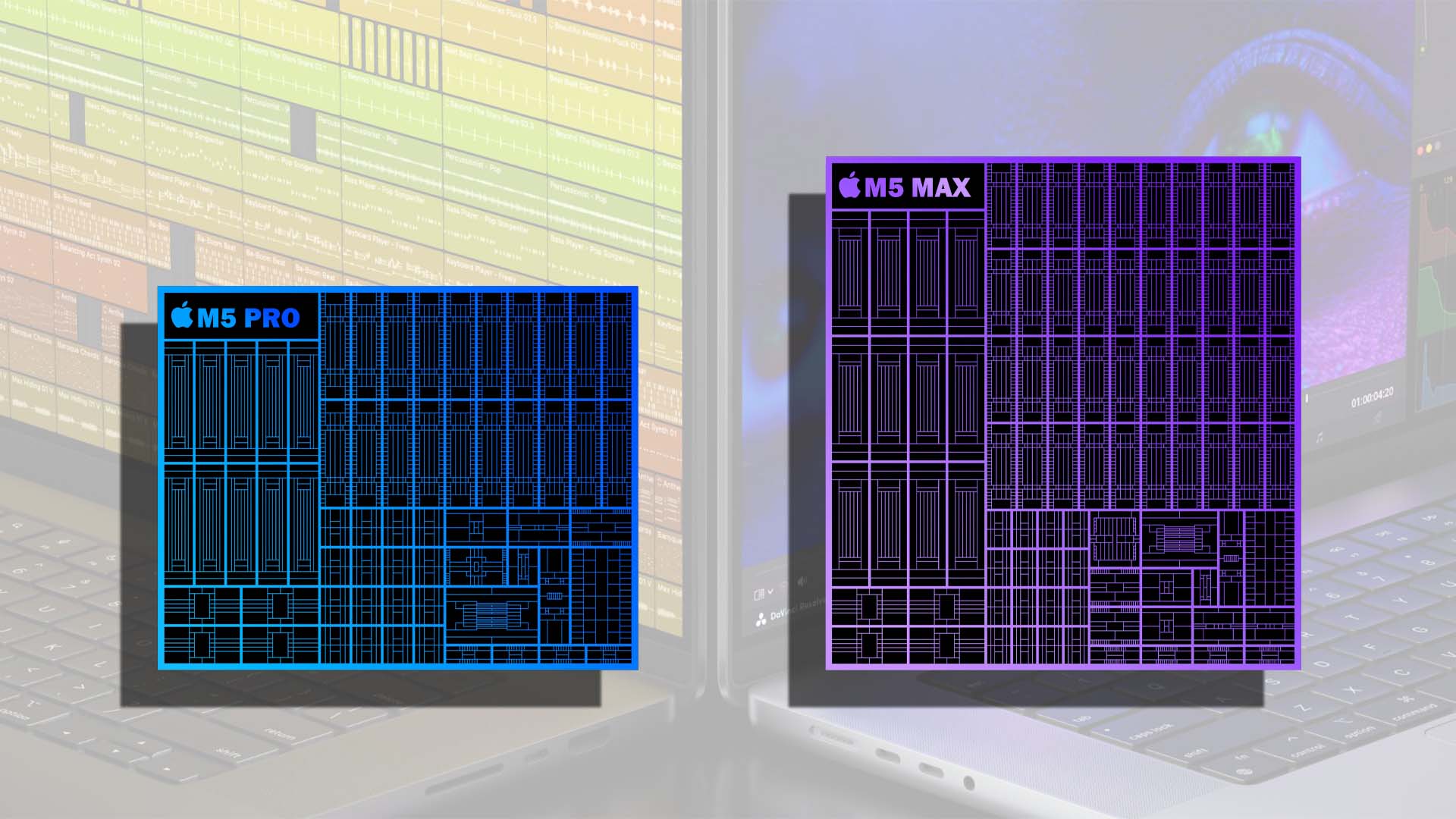
Custom orders for the current M4 MacBook Pro are reportedly slowing down, and that often signals new Apple Silicon is around the corner. Rumor has it Apple could unveil the first M5-powered Macs soon, while the higher-end M5 Pro and M5 Max may arrive later due to a significant redesign aimed at smarter customization and better sustained performance.
The big change centers on a new chip architecture that separates CPU and GPU blocks on the M5 Pro and M5 Max. According to tipster chatter on X, this modular approach would let buyers mix and match core counts—think maxed-out GPU with a base-level CPU, or the reverse—without being forced into expensive preconfigured tiers. The base M5 is not expected to adopt this new design language, keeping the modular perks exclusive to the Pro and Max chips.
Under the hood, these chips are said to leverage TSMC’s advanced SoIC-MH packaging and a refined 3nm N3P process. While Apple hasn’t confirmed any of this, SoIC-MH—short for Small Outline Integrated Circuit Molding-Horizontal—brings several benefits that align well with the MacBook Pro’s slim, thermally constrained design:
– Smaller, lighter packages that suit thin-and-light laptops
– Standardized, more compatible layouts that can lower manufacturing costs
– Easier assembly for streamlined production
– Higher component density to fit more capability into less space
– Reduced capacitance for cleaner signals and improved performance
– Better heat transfer via an exposed pad for stronger sustained speeds
These advantages help explain why the M5 Pro and M5 Max might be taking longer to ship. Moving to a modular, advanced packaging design is nontrivial, and one rumor suggests the Pro and Max variants could slip into 2026.
What does this mean for buyers? If the reports are accurate, future MacBook Pro shoppers could select CPU and GPU core counts independently, optimizing a machine for their workload without paying a premium for cores they don’t need. Imagine video editors maxing out GPU cores while keeping a modest CPU count, or developers prioritizing CPU threads and dialing back on graphics. One key unknown is whether unified memory options will be equally flexible; that detail remains to be seen.
Despite the potential delay, Apple appears to be in a strong position. Recent benchmark results indicate that M4-class performance already leads in both CPU and GPU tests against competing laptop chips, including Qualcomm’s top-tier Snapdragon X2 Elite Extreme. In some 3DMark runs, even an M4 Pro’s 20-core GPU reportedly posted commanding wins, suggesting Apple has headroom to take its time perfecting the M5 Pro and M5 Max.
Bottom line: Expect a more customizable, thermally resilient generation of MacBook Pro with the M5 Pro and M5 Max—just not immediately. If Apple does announce the base M5 soon, it could act as a bridge to a more modular future, giving power users unprecedented freedom to tailor their next Mac to the way they actually work.