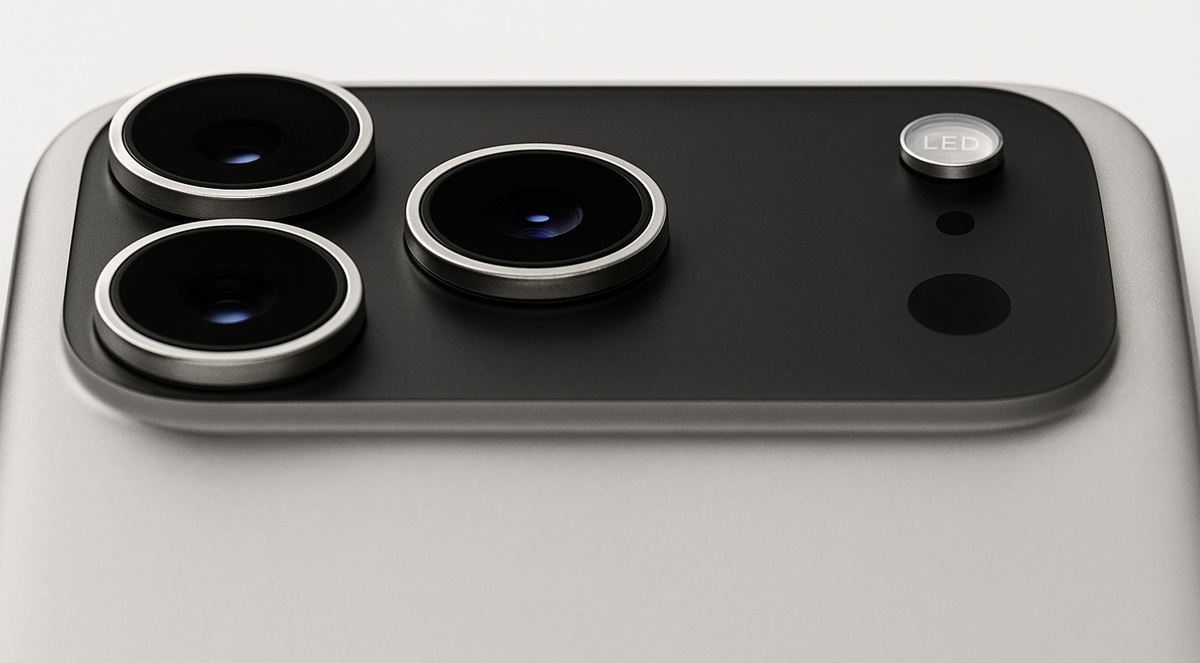
A recent leak from a trusted Weibo source suggests that Apple is advancing quickly with its innovative camera sensor. Having moved past the patent stage, Apple reportedly has a working prototype undergoing internal testing. This sensor, unveiled in a patent just over a month ago, promises a remarkable 20 stops of dynamic range, potentially revolutionizing iPhone photography since the era of computational imaging began. This advancement could also decrease Apple’s reliance on Sony, offering greater control over its hardware.
The camera sensor, known as the LOFIC (Lateral Overflow Integration Capacitor), features a custom CMOS design. This technology allows each pixel to adaptively store light based on scene brightness, capturing details in both bright and shadowy areas in a single frame. According to Fixed Focus Digital on Weibo, Apple is not merely conceptualizing this technology—it’s actively testing it in development hardware. If these claims hold true, this exciting innovation might reach consumers sooner than anticipated.
For those unfamiliar, this sensor employs a stacked architecture: the top layer captures light, while the lower layer handles real-time processing. This design introduces advanced capabilities, including pixel-level noise reduction in photos before they undergo computational processing, resulting in cleaner, sharper low-light images without the typical blurring.
LOFIC technology is set to dynamically manage light storage for each pixel, potentially pushing the dynamic range to an impressive 20 stops, rivaling top-tier cinema cameras. In contrast, current iPhone models offer only 12 to 14 stops. By developing its custom sensor, Apple demonstrates a commitment to self-sufficiency, moving beyond its long-standing reliance on Sony.
Creating their own sensors allows Apple full control over the imaging pipeline, ensuring tighter hardware and software integration. While the upcoming iPhone 17 and iPhone 17 Pro models are expected to still use Sony sensors, a working prototype means the iPhone 18 lineup might debut this groundbreaking technology. Additionally, future versions of the Vision Pro could benefit from these advanced sensors, enhancing mixed-reality experiences.