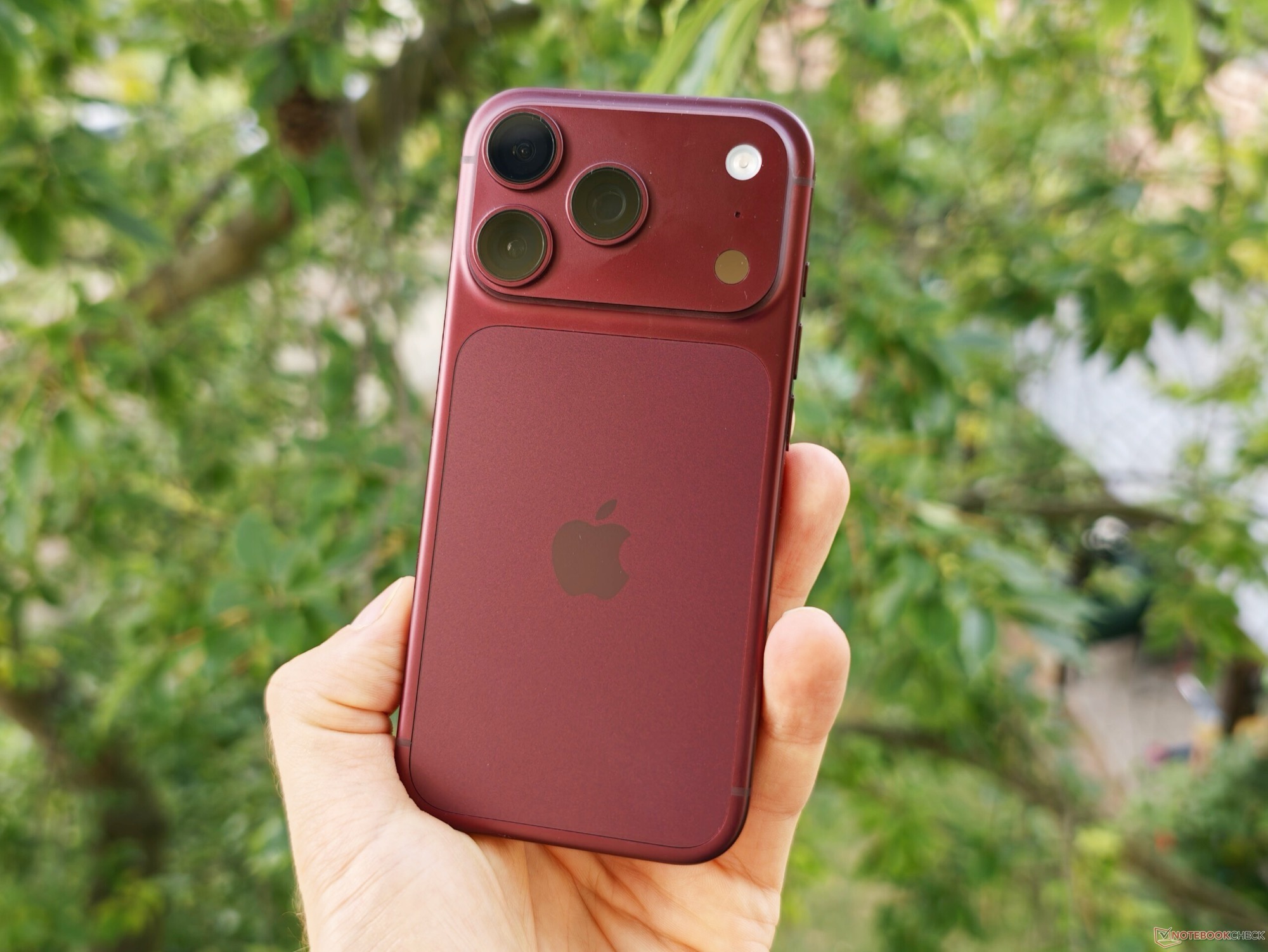
Apple’s iPhone Storage Upgrade Profits Shrink as DRAM and NAND Prices Surge
Apple’s iPhone storage upgrades have long been one of the company’s most profitable upsells, but rising memory prices are starting to squeeze those margins. Even so, Apple continues to earn a significant markup when customers choose higher-capacity iPhone models.
The ongoing DRAM and NAND flash supply crunch is pushing up costs across the tech industry, affecting smartphones, tablets, laptops, and other consumer electronics. Apple is not immune to this pressure. Although the company still charges premium prices for larger iPhone storage options, its production costs have increased sharply compared with previous years.
A recent report highlights just how dramatic the change has been. With the iPhone 17 Pro, Apple reportedly charged $200 to upgrade from 256GB to 512GB of storage. The estimated cost to Apple for that additional storage was only about $15. That means the company was applying a markup of roughly 1,233 percent on that upgrade.
With the iPhone 18 Pro, the same 256GB to 512GB upgrade still costs customers $200, but Apple’s estimated cost has reportedly climbed to $66. As a result, the markup falls to around 203 percent. That is still a strong margin, but it is far lower than what Apple enjoyed before memory prices surged.
The higher-capacity upgrades tell a similar story. Last year, Apple charged $400 to move from 512GB to 1TB of storage, while the estimated production cost was about $42. That represented a markup of roughly 852 percent.
Now, Apple charges $600 for the 512GB to 1TB upgrade on the iPhone 18 Pro. However, the company’s estimated cost has risen to around $192. That brings the markup down to about 212 percent. In other words, customers are paying more, but Apple is also spending far more to provide the extra storage.
The situation becomes even more striking when comparing Apple’s iPhone storage pricing with consumer storage products. Apple charges up to $1,200 for a 2TB storage upgrade on the iPhone 18 Pro. By comparison, a 2TB M.2 SSD for computers can be found for around $299 through major retailers. Of course, iPhone storage is integrated directly into the device and is not directly interchangeable with a standard SSD, but the price gap still shows how expensive Apple’s storage tiers remain for buyers.
Apple’s overall profitability has also been affected, though only slightly. The company’s gross margin reportedly fell from 50.1 percent to 47.9 percent in the third quarter of 2026. Despite the decline, Apple’s margins remain extremely strong by historical standards. Before 2021, the company typically posted gross margins below 40 percent.
For iPhone buyers, the takeaway is clear: storage upgrades remain costly, even as Apple’s own costs rise. The DRAM and NAND shortage may have reduced Apple’s once-massive markup on iPhone storage, but higher-capacity models still deliver major revenue for the company.
As memory prices continue to fluctuate, Apple may face a difficult balancing act. Raising upgrade prices too much could frustrate customers, especially as cloud storage and external storage alternatives become more common. But with demand for 4K video, ProRes recording, high-resolution photos, large games, and AI-powered apps increasing, many users still feel pushed toward higher-capacity iPhones.
For now, Apple’s iPhone storage upgrades are less profitable than before, but they remain one of the most expensive options customers face when configuring a new iPhone.