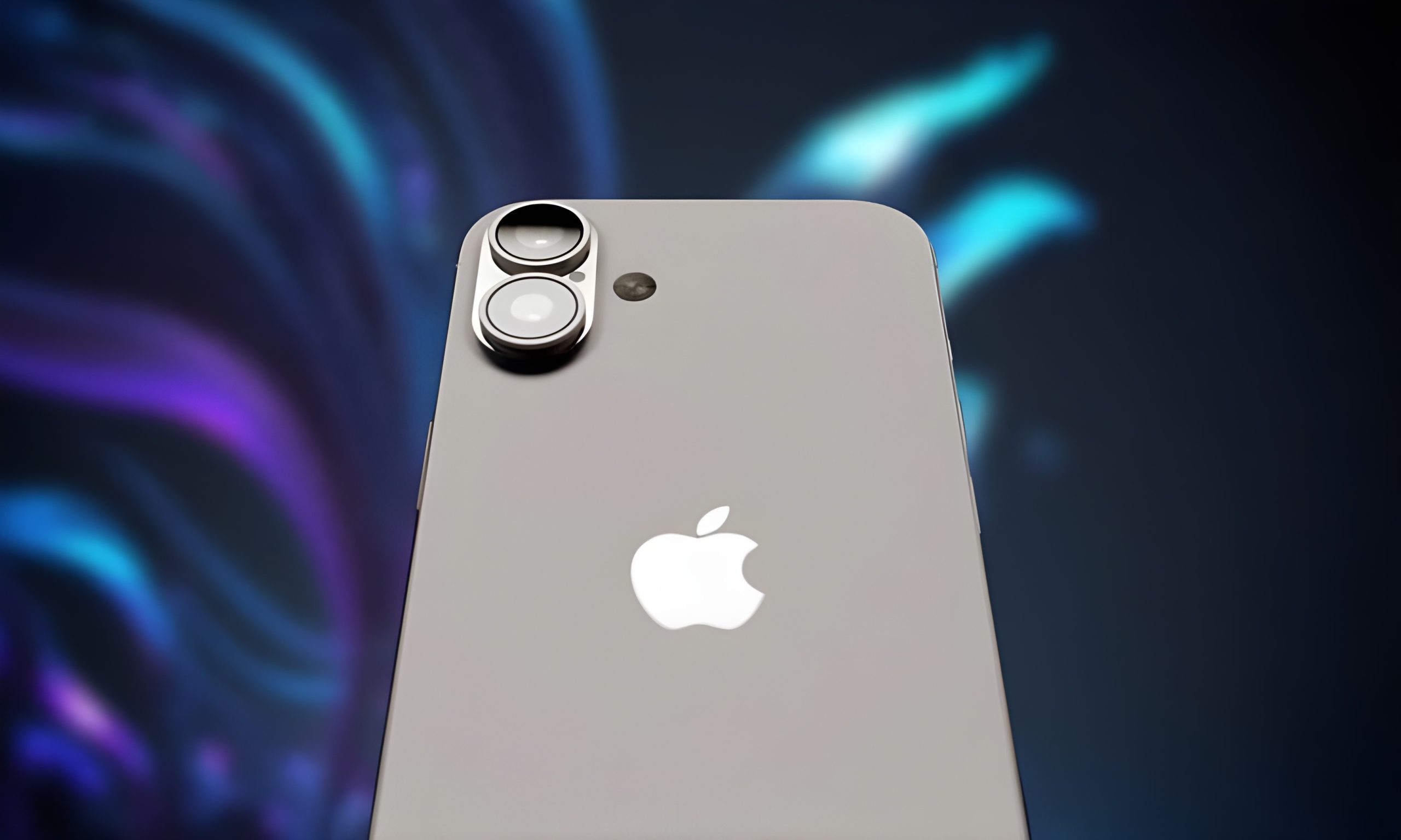
An iPhone super upgrade cycle looks less like a question of “if” and more like “when.” Two straightforward data points highlight how large and how ready the global iPhone base is for a refresh—and why 2026 could be the pivotal year.
First, a massive slice of the installed base can’t run Apple’s latest iOS. With newer software dropping support for iPhone XS and XR, roughly 150 million devices—about 10 percent of users—are already locked out of the newest features. Add to that the age factor: the average iPhone in use today is about 6.5 years old. That’s a long stretch in smartphone years and a strong signal that many owners are approaching the natural end of their upgrade cycle.
Second, Apple’s flagship AI suite, Apple Intelligence, currently requires iPhone 15 Pro or newer. By one estimate, that excludes around 65 percent of iPhones in use—approximately 975 million devices—from on-device AI features. Strip out projected sales for a future iPhone 17 lineup and the ineligible share rises to around 78 percent, or roughly 1.17 billion devices. When transformative features sit behind a hardware wall, upgrades accelerate.
All signs point to 2026 as the breakout year. Apple is said to be preparing a broad portfolio to capture demand: an entry iPhone 17e, the mainstream iPhone 18, plus Air, Pro, and Pro Max versions, and a long-rumored foldable iPhone. A foldable would open a fresh category and give fence-sitters a compelling reason to jump. The company is reportedly aiming for about 10 percent smartphone shipment growth in 2026, building on momentum from new form factors.
Context matters here. Apple shipped about 232 million iPhones in 2024. Industry forecasts call for roughly 4 percent growth in 2025, to around 241 million units. A 10 percent lift off those implied 2025 levels would push 2026 shipments to roughly 265 million—a meaningful jump that aligns with a major upgrade wave.
There’s more brewing in the broader AI hardware push, too. Apple is reportedly developing AI smart glasses to challenge rivals in wearables and ambient computing, with a launch also expected in 2026. Combined with Apple Intelligence on high-end phones and a diverse iPhone lineup, the ecosystem story becomes even more compelling.
Bottom line: a huge number of iPhones can’t access the latest iOS features, and an even larger share can’t run Apple Intelligence. Pair that pent-up demand with new models—possibly including a foldable—and 2026 is shaping up to be the year the iPhone upgrade supercycle hits full stride.