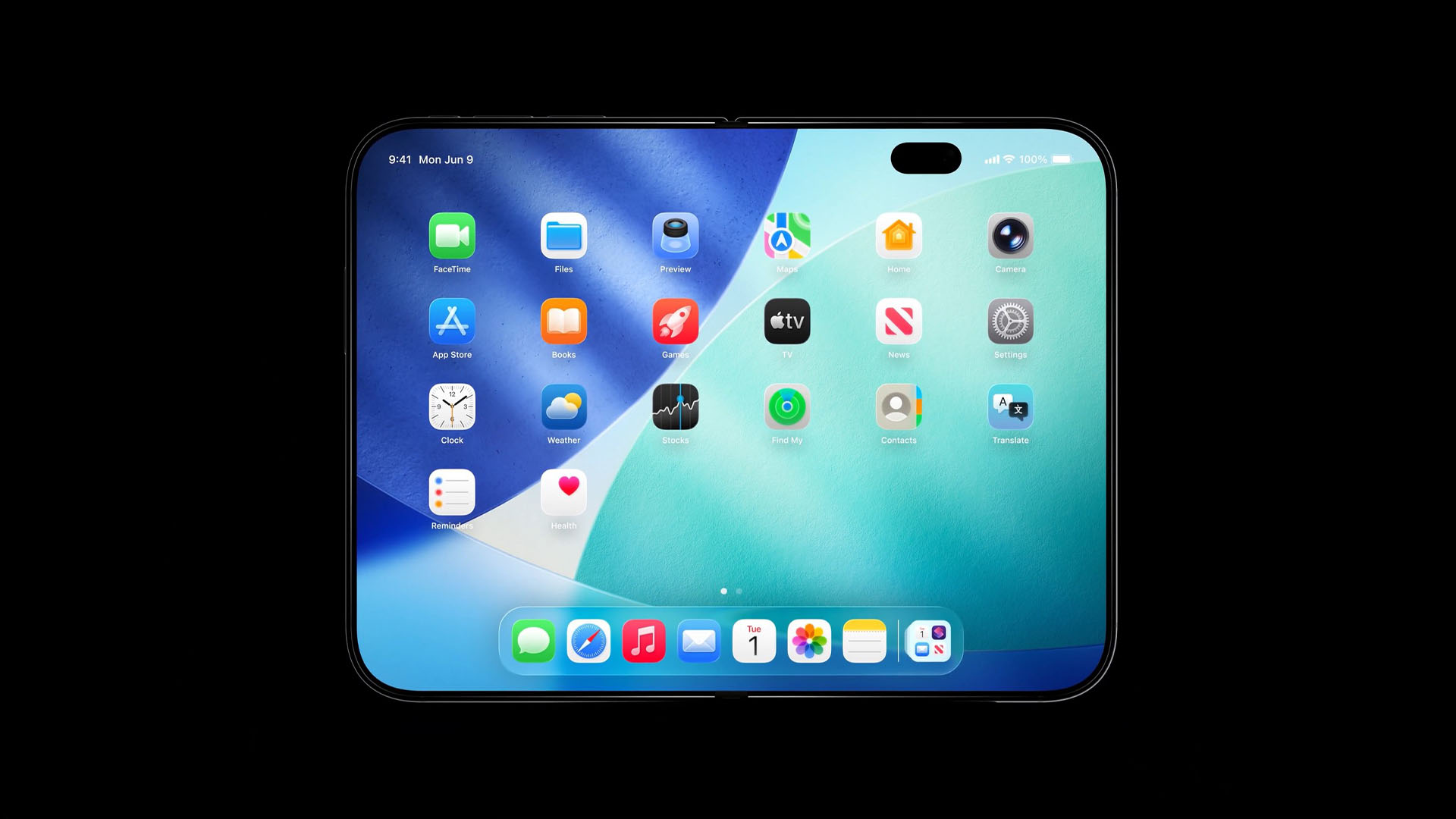
Apple’s long-rumored foldable iPhone, often referred to as the iPhone Fold, may not be as close to production as some recent chatter suggested. Despite earlier claims that Apple had reached a major manufacturing milestone, a new tip now says the device hasn’t even entered prototype manufacturing yet—hinting that key design details may still be in flux.
The latest update comes from a tipster on Weibo who argues that reports of the iPhone Fold moving into trial production are premature. If accurate, it means Apple is still working through the early stages of hardware readiness, where component choices, mechanical reliability, and final design tolerances are refined before a product can move forward into broader test builds.
This is notable because Apple has repeatedly been rumored to be pushing for foldable breakthroughs that would help it stand out in a crowded category. The biggest rumored differentiator is a near crease-free folding display—something foldable phone makers have been chasing for years. On top of that, the iPhone Fold is expected to pair premium materials with high-end internal hardware, positioning it as a flagship-level device rather than an experiment.
Still, timelines remain all over the place. Another tipster prediction floating around suggests both the iPhone Fold and a future iPhone 18 lineup could enter mass production in July. If that window is even close to true, Apple would still have time to iron out flaws and lock down the final engineering work before larger-scale manufacturing begins. One estimate also points to an initial production target of around 11 million units, which would be a significant launch volume for a first-generation foldable.
So what could be causing the apparent slowdown? One possible factor is cost and supply chain complexity—especially if Apple is still negotiating materials and pricing with suppliers. A major piece of the foldable puzzle is the hinge. The iPhone Fold is rumored to use a liquid metal hinge design, which could improve durability and help reduce visible creasing by keeping the fold more consistent. The tradeoff is that liquid metal components can be expensive and difficult to manufacture at scale, potentially making production planning more complicated.
As with most early foldable iPhone leaks, there’s also the usual uncertainty. Apple is known for tight control over its supply chain and for keeping product details under wraps until late in development. That makes it difficult to confirm whether trial production has started—or whether it’s still on the drawing board.
For now, the most realistic takeaway is that the iPhone Fold may still be in an earlier phase than fans hoped, with Apple continuing to refine the design before it can confidently move into trial builds and eventual mass production. If more credible updates emerge, they should provide a clearer picture of when Apple’s first foldable iPhone could finally become a real product rather than a persistent rumor.