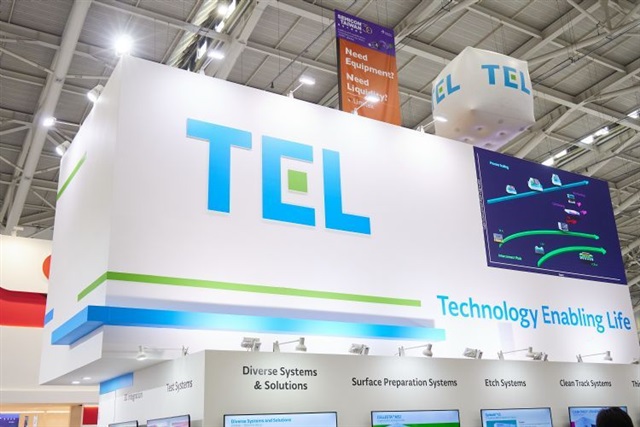
A major trade secret leak case tied to TSMC’s next-generation 2nm chip process has reached a significant legal milestone in Taiwan. On April 27, 2026, the Intellectual Property and Commercial Court issued a ruling that places the spotlight on Tokyo Electron (TEL), a key semiconductor equipment supplier connected to the dispute.
According to the court’s decision, TEL must pay a fine of NT$150 million, which is roughly US$4.8 million. The penalty underscores how seriously Taiwan’s courts are treating alleged leaks involving advanced semiconductor manufacturing know-how—especially as 2nm process technology becomes one of the most valuable competitive edges in the global chip industry.
While the case centers on a leak related to TSMC’s 2nm process, the consequences extend far beyond any single company. Cutting-edge process nodes like 2nm represent years of R&D, specialized manufacturing expertise, and highly guarded production techniques. Any unauthorized disclosure of these details can potentially impact supply chains, customer relationships, and the competitive balance of the foundry market.
The ruling also highlights an increasingly strict approach to protecting trade secrets in the semiconductor sector, where equipment suppliers, partners, and contractors often have access to sensitive information during tool installation, process tuning, and manufacturing collaboration. With chipmaking technology racing forward, courts and regulators are signaling that breaches involving proprietary process information will face meaningful penalties.
This case serves as a reminder that as the industry pushes toward smaller, more efficient nodes like 2nm, security around intellectual property—both inside chipmakers and across their supplier ecosystems—remains a top priority.