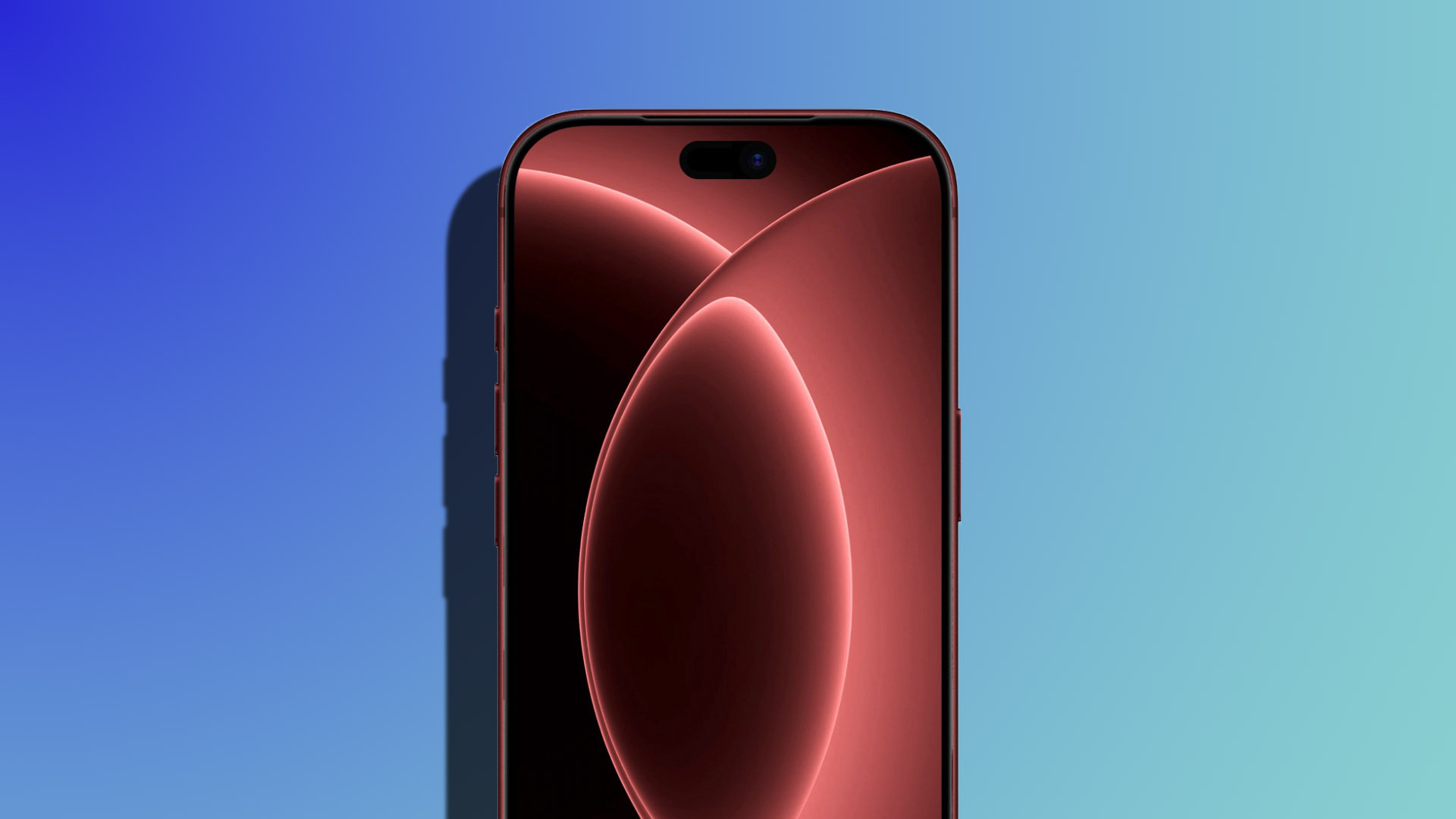
Android phone makers are feeling the squeeze as the ongoing DRAM crunch pushes component costs higher, forcing tough decisions about which features can stay and which might get cut to protect profit margins. In that environment, Apple appears positioned to keep doing what it does best: maintain a consistent flagship formula while leaning on its scale, supply chain planning, and growing Services business to ride out price volatility.
A new rumor suggests Apple’s iPhone 18 series won’t bring a major visual redesign. Instead, the biggest change is expected to be “size” related. While that could mean screen dimensions, the more likely interpretation—based on earlier chatter—is a physical change tied to thickness. The iPhone 18 Pro Max is rumored to become thicker and heavier than previous models, a shift that typically points to one thing consumers consistently ask for: more battery.
iPhone 18 and the long-rumored iPhone Fold are both said to be heading toward mass production around July, which would mean Apple has likely already finalized core specs and device dimensions. And if the company is indeed prioritizing internal upgrades over a new look, the battery could be the headline improvement.
Here’s what the latest battery talk suggests for the Pro Max models:
The iPhone 17 Pro Max is rumored at 4,823mAh for the non-eSIM version and 5,088mAh for the eSIM version.
For the iPhone 18 Pro Max, the non-eSIM model is expected to reach 5,000mAh or more, roughly a 3.67% bump compared with the non-eSIM iPhone 17 Pro Max.
The eSIM version of the iPhone 18 Pro Max is tipped to land somewhere around 5,100mAh to 5,200mAh or higher, which could be up to about a 2.20% increase compared with the eSIM iPhone 17 Pro Max.
Battery size alone doesn’t guarantee dramatically better endurance, but the iPhone 18 Pro lineup is also rumored to adopt Apple’s C2 5G modem alongside the A20 and A20 Pro chips. If those efficiency gains materialize—especially in 5G power management—real-world battery life could improve meaningfully even if the raw capacity increases look modest on paper.
Pricing remains the big unanswered question. The rumor doesn’t provide specific numbers, but the broader expectation is that Apple has more flexibility than many rivals to handle rising memory costs. With Services revenue continuing to expand, the company may be able to absorb some component inflation without leaning as hard on feature cuts or aggressive price hikes.
If these details hold, the iPhone 18 Pro and iPhone 18 Pro Max may be less about a flashy redesign and more about the upgrade that matters every day: longer battery life, refined efficiency, and dependable flagship performance—while much of the rest of the smartphone market is busy trimming features to stay afloat.