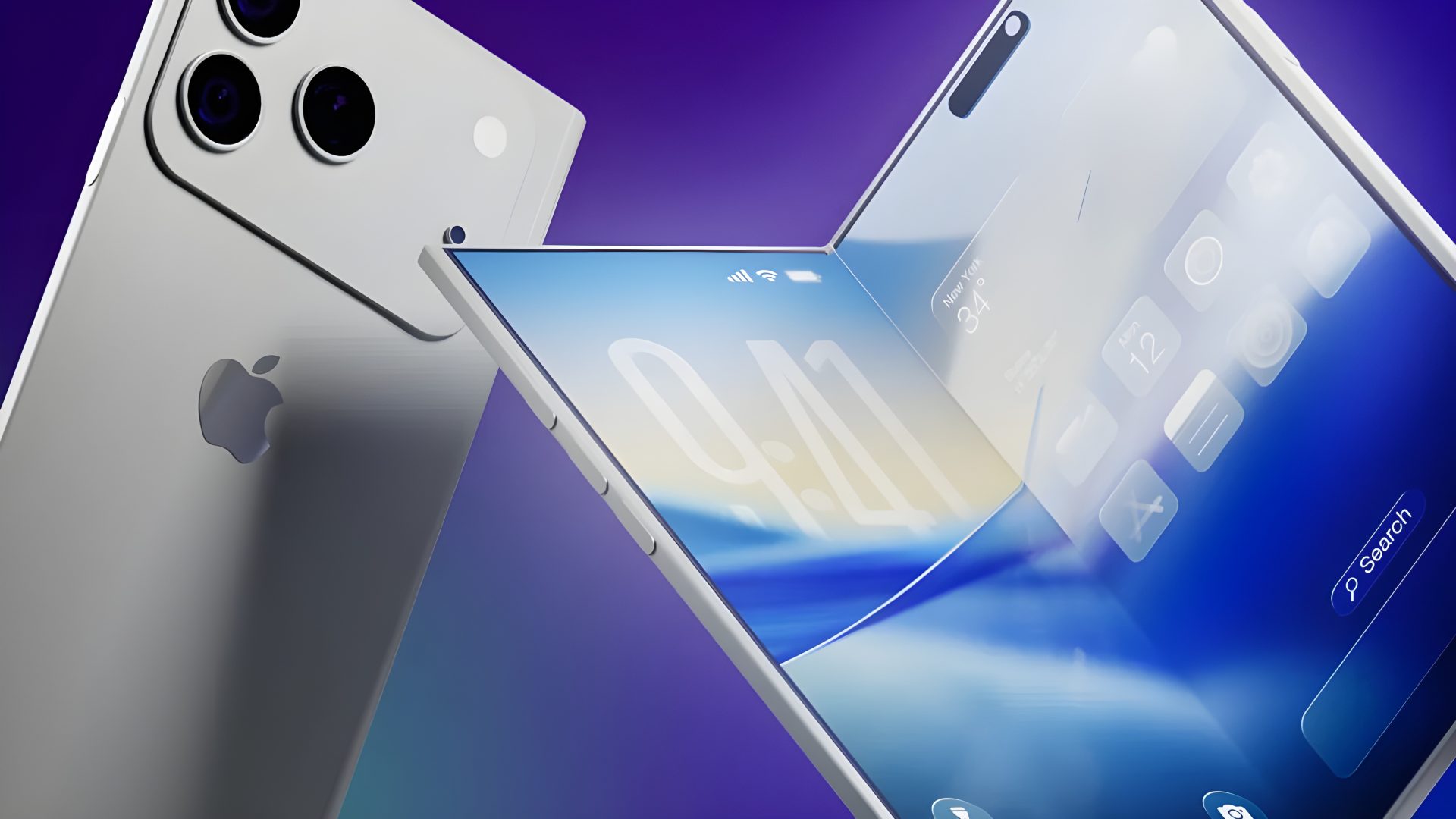
Apple’s first foldable iPhone is quickly turning into one of the most confusing product stories in recent memory. Fresh leaks from across the supply chain can’t seem to agree on the basics, including what the device will be called and when it will actually launch. Depending on which rumor you read, it’s either arriving this fall with Apple’s next Pro iPhones or slipping well beyond that.
iPhone Fold or iPhone Ultra? The name is suddenly up for debate again
For months, the most common label floating around has been “iPhone Fold.” Now, a new claim from the well-known Weibo tipster Digital Chat Station suggests Apple may instead brand the device as the iPhone Ultra. That would align with broader chatter that Apple wants to expand “Ultra” into a bigger identity across multiple premium products, potentially including other high-end devices and accessories.
If Apple really is pushing “Ultra” as a top-tier tier above “Pro,” then a foldable iPhone fits the pattern. A foldable would likely be priced at the very top of the iPhone lineup, and “Ultra” could help Apple position it as a halo device rather than just another variant.
Why the foldable iPhone could be delayed: hinge tech and pricing hurdles
Launch timing is just as messy as naming. Recent leaks point to two major issues that could slow things down late in development:
First, Apple reportedly still hasn’t finalized the hinge approach. The decision may come down to using a liquid metal design or going with a 3D-printed titanium hinge. On a foldable phone, the hinge isn’t just a component—it’s the core of the experience. It affects durability, weight, thickness, and how well the display resists creasing over time. Apple dragging its feet here would not be shocking, especially if the company is trying to avoid the reliability problems that have hurt some foldables in the past.
Second, pricing negotiations for key components are said to be ongoing. Foldables require expensive parts—folding displays, specialized protective layers, hinge assemblies, and tighter manufacturing tolerances. If Apple and suppliers haven’t settled cost targets, that can ripple into production schedules.
Trial production hints it’s moving forward, but the timeline is still unclear
Adding to the confusion, reports also say the foldable iPhone has already entered trial production. Typically, reaching that stage suggests the project is progressing toward a launch window rather than drifting indefinitely. That’s why some observers still believe Apple could unveil the foldable alongside the iPhone 18 Pro and iPhone 18 Pro Max in September.
On the other hand, at least one analyst has suggested Apple may not be able to ship meaningful quantities until late 2026, with some speculation pushing the delay even further. Meanwhile, another leak points to September still being the target, arguing that recent signs of finalized design work make a longer delay less likely.
So what should you believe right now?
At the moment, the foldable iPhone story is a tug-of-war between “nearly ready” signals like trial production and “not finalized” red flags like hinge decisions and component pricing talks. Until these leaks start agreeing—especially on the hinge choice and production ramp—it’s best to treat any specific launch month or final name as unconfirmed.
What does seem increasingly likely is this: Apple’s foldable iPhone is coming, it’s positioned as a premium device, and “Ultra” is emerging as a serious contender for its official branding. Whether it lands in the fall lineup or slips into a later window depends on whether Apple can resolve the hinge design and supply chain costs in time.