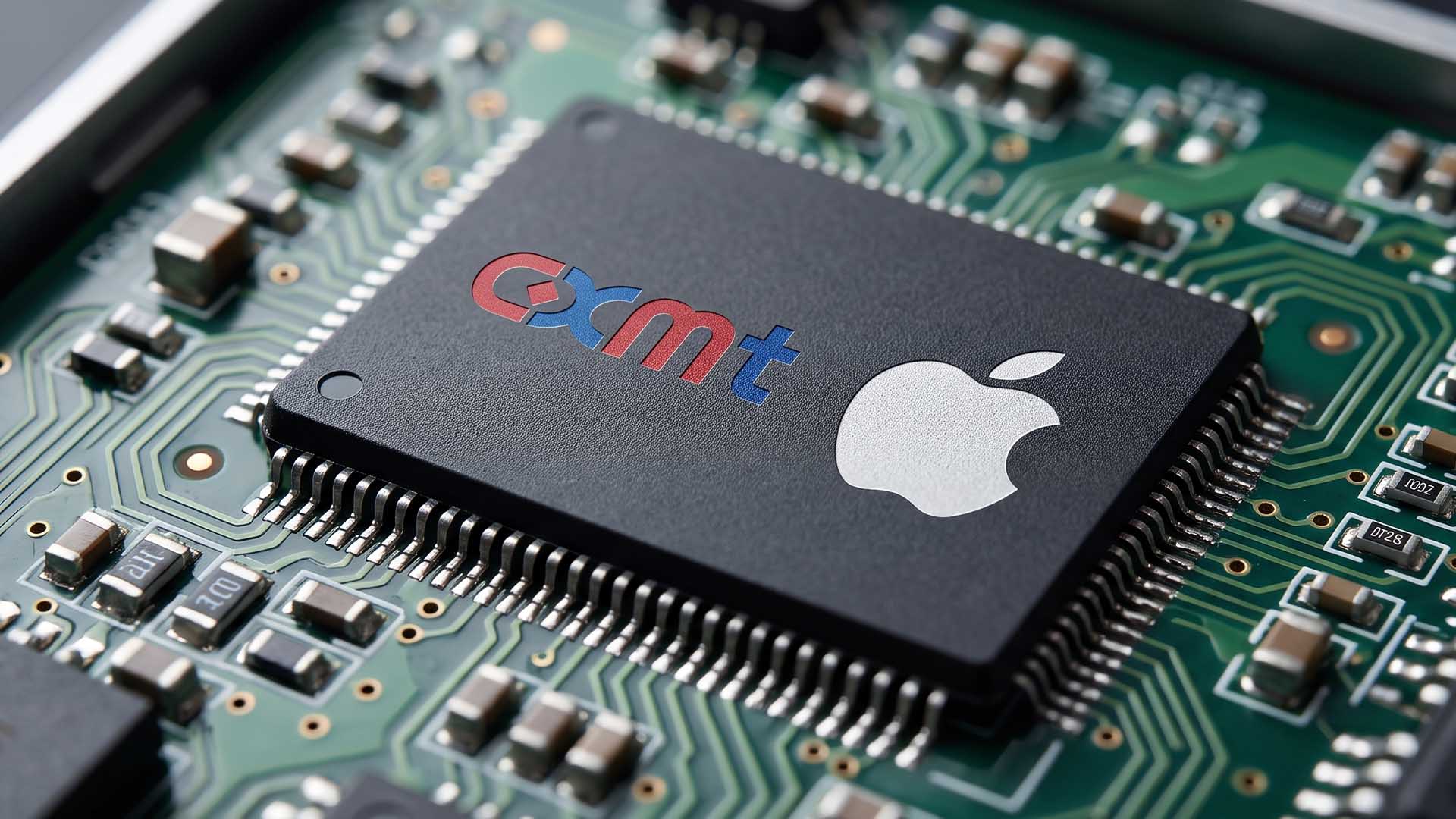
Apple Moves to Secure DRAM Supply as AI Chip Demand Threatens iPhone 18 Production
Apple appears to be preparing for a much tougher memory market, where the biggest challenge may no longer be rising component prices, but whether enough DRAM will be available at all.
The surge in demand for AI hardware has placed enormous pressure on the global memory supply chain. High-performance AI chips require large amounts of advanced memory, and major suppliers are increasingly prioritizing customers in the artificial intelligence sector. That shift could create problems for smartphone makers, including Apple, as they compete for the same limited supply of DRAM.
According to analyst Ming-Chi Kuo, Apple’s focus has now moved beyond simply dealing with higher prices. The company is reportedly trying to reduce the risk of a DRAM shortage that could affect future iPhone production, especially the iPhone 18 series expected around 2026.
Apple is said to be exploring ways to bring Chinese memory maker CXMT into its supply chain strategy. However, Kuo believes this move is not mainly about lowering costs. Instead, it is about protecting Apple from a supply disruption at a time when the DRAM supply-demand gap is expected to widen through 2027.
Memory prices have already climbed dramatically. A 12GB LPDDR5X RAM chip that reportedly cost around $39 a couple of years ago is now said to be priced at roughly $145. That represents an increase of about 272 percent. Storage components have also seen major increases, with a 256GB storage chip rising from around $13 to about $51, a jump of roughly 292 percent.
These sharp increases help explain why future iPhones may become more expensive. But for Apple, the greater concern may be whether it can secure enough components to build the number of devices it wants to ship.
Kuo estimates that Apple’s pull-in volume for the A20 and A20 Pro chips may be 10 to 20 percent lower from the second half of 2026 through the first quarter of 2027 due to the memory shortage. These chips are expected to power future iPhone models, likely including the iPhone 18 lineup.
If Apple cannot obtain enough DRAM, production targets could be affected, leading to tighter availability, delayed shipments, or reduced launch inventory. For a product as important as the iPhone, even a small supply chain disruption can have a major financial impact.
This is why Apple is reportedly pushing to keep CXMT available as a potential supplier. Adding another memory source would not necessarily replace major suppliers such as Samsung and SK hynix, which are expected to continue providing the majority of Apple’s DRAM. However, having an additional supplier could give Apple more flexibility and reduce its exposure to shortages.
Samsung and SK hynix are currently benefiting from strong demand from AI chip customers, and that business is expected to remain highly profitable. Because of this, they may have little reason to shift their supply priorities away from AI clients, even for a major customer like Apple. That puts Apple in a difficult position as it tries to secure enough memory for future iPhones while competing against the booming AI sector.
The shortage may also be influencing Apple’s long-term chip roadmap. Reports suggest that Apple could move to TSMC’s 1.4nm process after only two generations on the 2nm node. While advanced chip manufacturing decisions involve many factors, supply chain pressure and efficiency demands are likely playing a larger role as Apple plans future iPhone processors.
Kuo also suggests that Apple’s leadership transition could be important in managing this issue. Tim Cook has deep experience handling complex supply chain negotiations and geopolitical challenges, particularly involving the U.S. and China. If Apple needs to secure a deal involving CXMT before Cook steps down, timing may become critical.
John Ternus, often discussed as a potential future Apple CEO, is highly regarded for his product and hardware leadership. However, Kuo appears to believe that Cook’s experience makes him better suited to navigate the current political and supply chain environment.
In the end, Apple’s reported interest in CXMT is less about finding a cheap memory supplier and more about avoiding a serious production bottleneck. DRAM prices may remain high, and major suppliers may continue prioritizing AI-related demand. Apple’s best option may be to diversify its supply chain before the shortage becomes even more severe.
For consumers, this could mean future iPhones may cost more, especially higher-end models with larger memory configurations. It could also mean tighter stock during launch periods if Apple cannot secure enough DRAM in time.
The global memory market is entering a new phase shaped by artificial intelligence, advanced chips, and fierce competition for limited components. Apple’s challenge is to make sure the iPhone does not get caught in the middle.