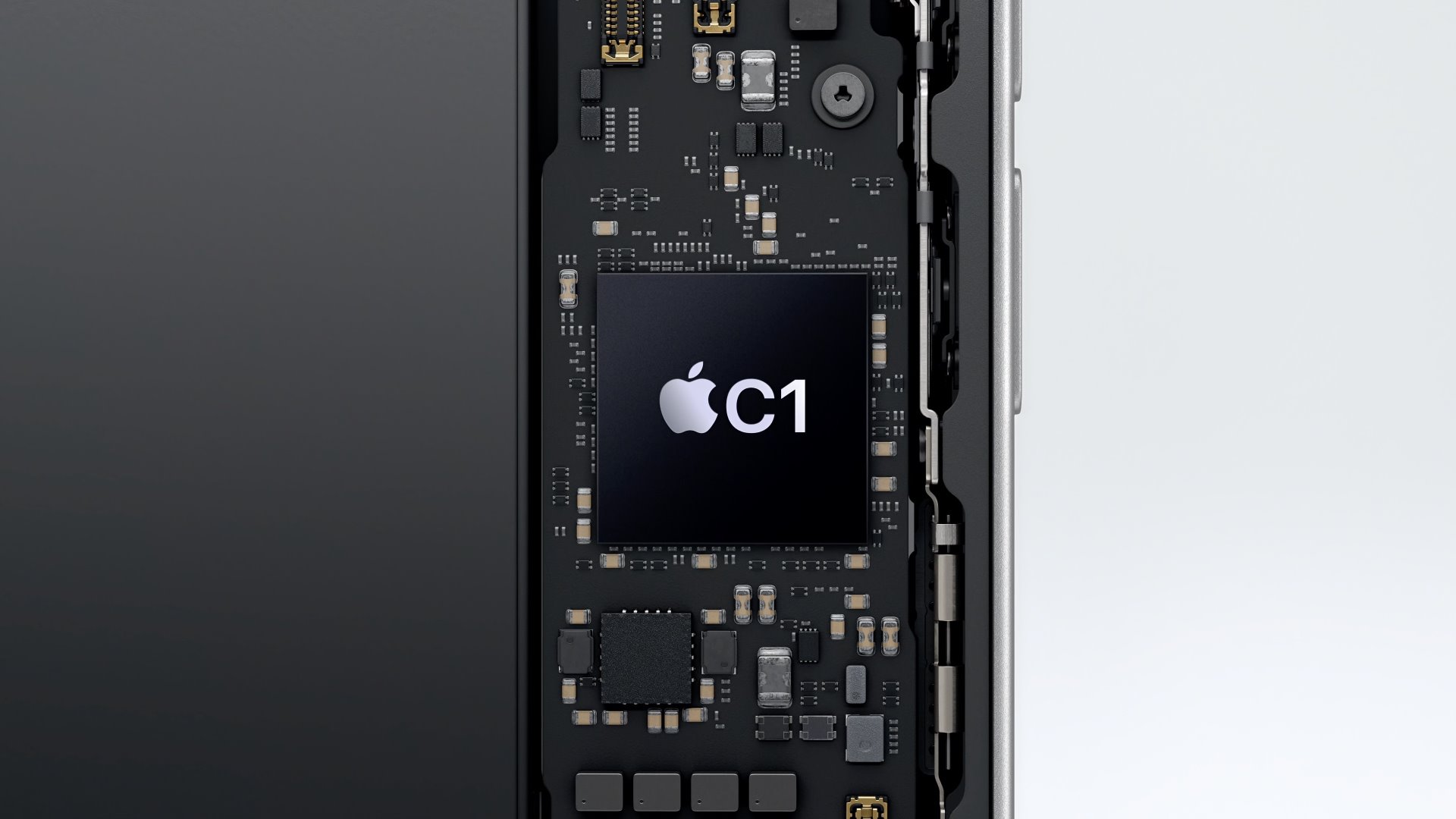
The C1 chip powering the iPhone 16e marks a significant step in Apple’s journey to create high-performance, energy-efficient custom 5G modems. While introduced in a more budget-friendly model, Apple carefully managed its messaging to avoid impacting the sales of higher-end devices that still use Qualcomm modems. During a recent discussion, CEO Tim Cook expressed confidence in Apple’s ability to develop superior technology, hinting that future releases will demonstrate these advancements.
Although the iPhone 17 series will continue to utilize Qualcomm’s 5G modems, Apple’s C1 still shines in its own right. It surpasses the Snapdragon X71 found in other iPhone 16 models by delivering not only better performance but also outstanding battery efficiency—making the iPhone 16e stand out in its class. During its unveiling, the C1 was praised mainly for its power efficiency, but without compromising performance, it remains a remarkable achievement.
In a recent earnings call, Cook shared his excitement about the C1’s launch, highlighting Apple’s focus on customer-desired features like enhanced battery life. According to Cook, this is just the beginning of an exciting journey for Apple in modem technology.
Looking ahead, the iPhone 17 lineup will forgo the C1 in favor of Qualcomm’s technology, save for an in-house Wi-Fi chip. This choice suggests Apple will tread carefully in marketing the iPhone 16e’s wireless features. However, this restraint is temporary, as reports indicate Apple has already begun developing the C2 chip, expected to support mmWave networks and likely appearing in the iPhone 18 series. This progression underscores Apple’s commitment to expanding its technological prowess in the mobile space.