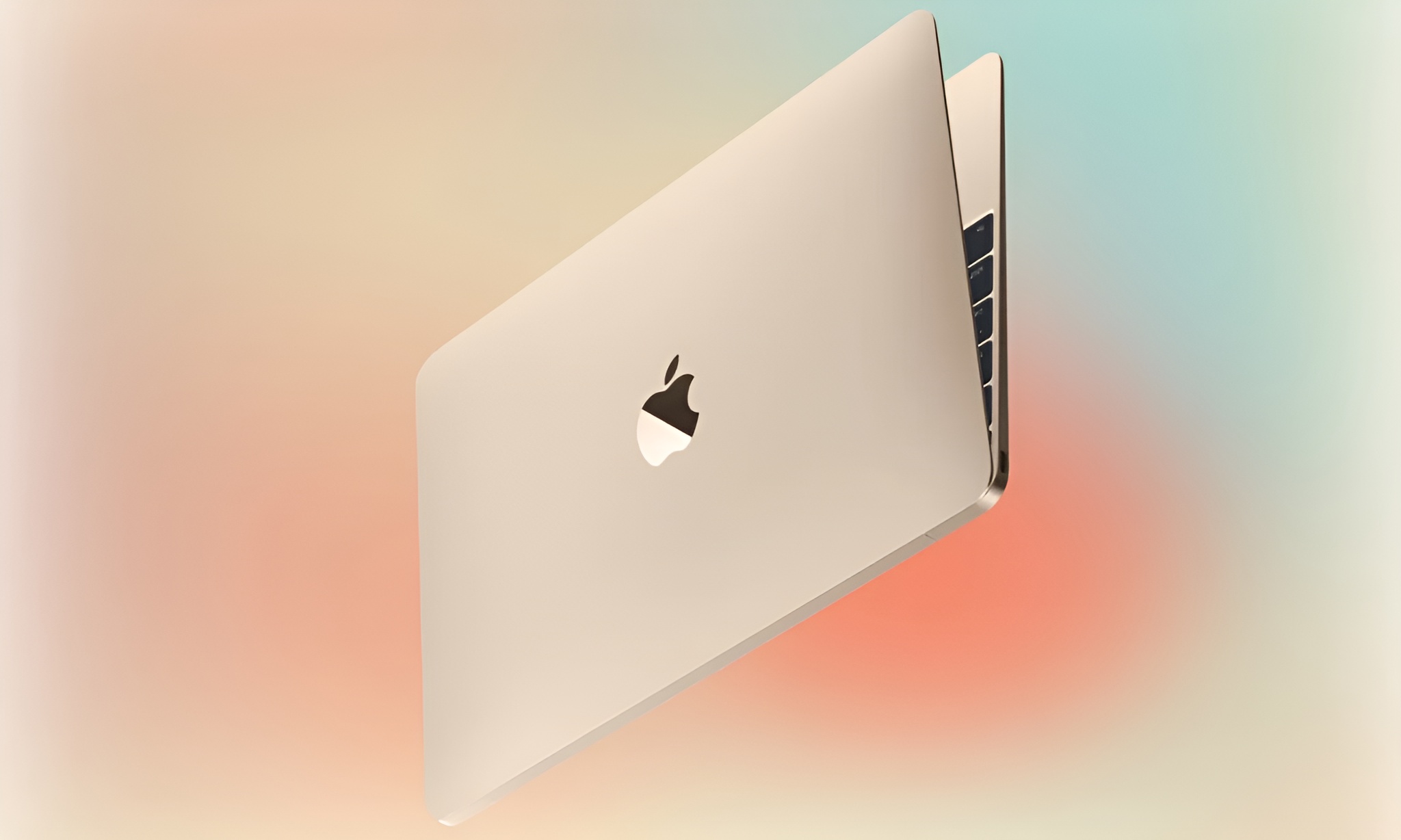
Apple is preparing to shake up its laptop lineup with a new low-cost MacBook that could become one of the most talked-about consumer releases of the year. With memory prices rising across the industry, the big story here is how Apple plans to keep the price down: by scaling back RAM and a few other premium features while still delivering performance that should feel familiar to everyday Mac users.
Price is expected to land between $699 and $799, which would place this model well below Apple’s current cheapest MacBook Air, starting at $899. If this pricing holds, it could open the door for students, families, and budget-focused buyers who want a new Apple laptop without crossing the usual entry price.
The processor is another major attention-grabber. The low-cost MacBook is rumored to use the A18 Pro chip, the same silicon found in the iPhone 16 Pro lineup. While it’s not an M-series chip, performance is said to be in the same ballpark as Apple’s M1, which is still widely considered fast enough for schoolwork, office tasks, browsing with lots of tabs, streaming, and light creative workloads.
To offset rising memory costs and preserve its low retail price, the laptop is expected to ship with 8GB of RAM. That’s notable because earlier talk pointed to 12GB, but 8GB has historically been Apple’s baseline for many MacBooks until recently. For typical daily use, 8GB can still be workable, though power users who run heavy multitasking, pro apps, or large creative projects may find it limiting.
Screen size may also be slightly smaller than initially expected. Instead of a previously rumored 13.6-inch panel, the new model is said to feature a 12.9-inch display. Apple may also try to make the device feel fresh and distinct with brighter color options, including shades described as yellow and goose pink, giving the laptop a more playful, youth-friendly look compared with the more muted tones common to the MacBook Air and Pro lines.
Despite ongoing supply concerns in the broader market, Apple reportedly has enough memory secured for this model and is targeting annual sales of around 5 million to 8 million units. That kind of volume suggests Apple sees this as more than a niche product—it’s potentially a mainstream entry point into macOS.
A few additional expected details help explain how Apple could hit a lower price while still keeping the Mac experience intact. The laptop is expected to support USB 3.2 Gen 2 speeds up to 10Gb/s, but it may skip Thunderbolt entirely. It’s also rumored to use an aluminum chassis similar to the MacBook Air, which would help maintain a premium feel even if some internals are more cost-conscious. A haptic trackpad is expected to remain, though the keyboard may drop backlighting, another potential cost-saving move.
If these details prove accurate, Apple’s low-cost MacBook could be positioned as a colorful, streamlined, everyday laptop: fast enough for most people, priced aggressively for the Mac ecosystem, and designed to compete directly in the budget premium space where Windows laptops and Chromebooks typically dominate.