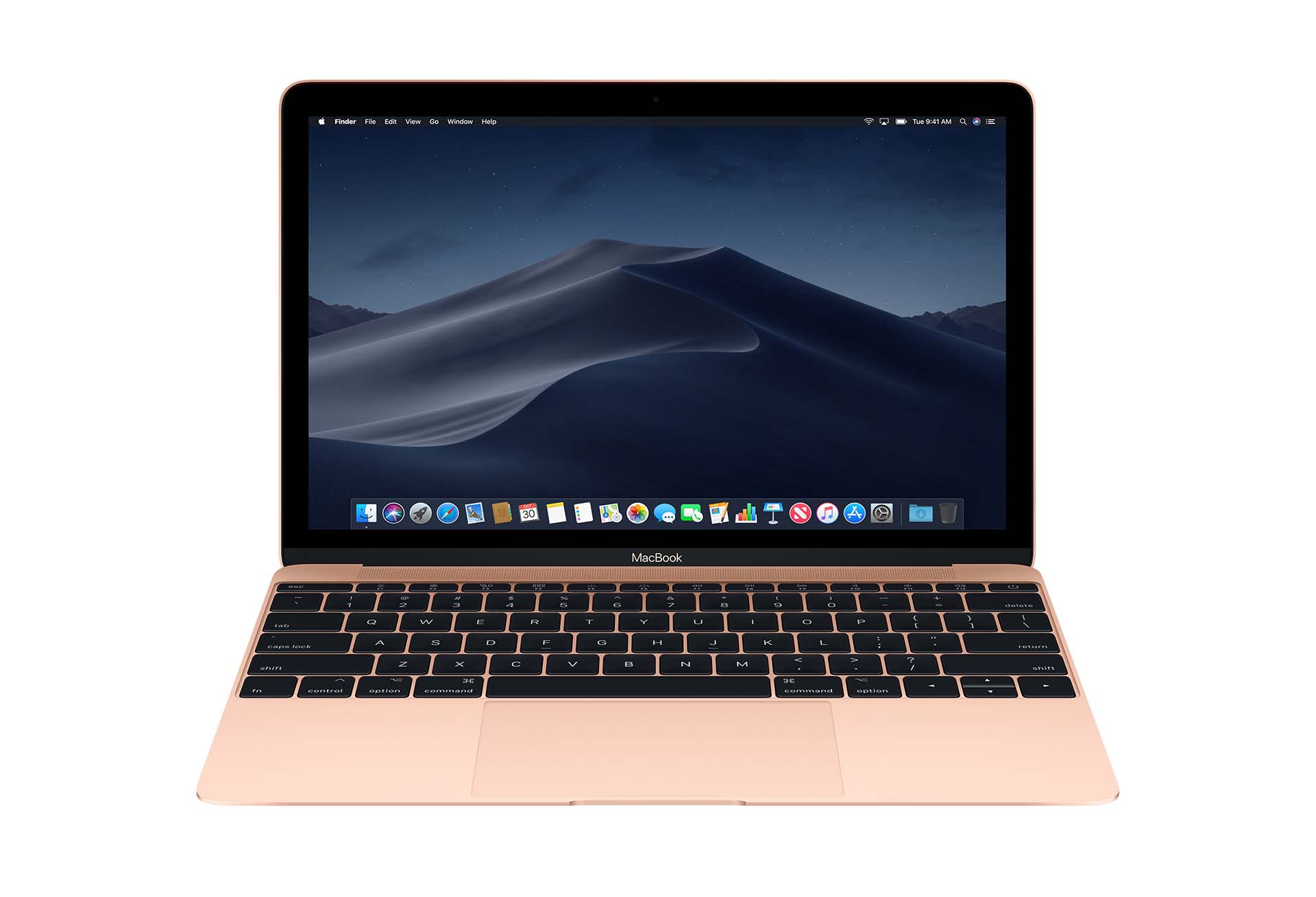
Apple’s supply chain has long been one of its biggest competitive weapons, and it may soon translate into something shoppers have been waiting for: a truly lower-priced MacBook. A new wave of reporting suggests Apple is preparing a more affordable portable Mac that could arrive soon and meaningfully expand the company’s reach—especially among buyers who have previously settled for budget Windows laptops or Chromebooks.
What makes this upcoming MacBook especially notable is the scale being projected. Estimates put shipments between 5.5 million and 7.9 million units, a sizable number for a single model—particularly one positioned as an entry-level option. If those numbers land anywhere near expectations, this low-cost MacBook could become a major growth driver for Apple in 2026. One report even claims that this model alone could account for roughly 25 percent of total Mac sales based on last year’s figures, highlighting just how important a lower-tier Mac could be for Apple’s broader strategy.
Price is expected to be the headline feature. Earlier forecasts have suggested a starting range of about $699 to $799, which would place it below the current MacBook Air entry point and directly into the value-focused laptop segment. That’s a market Apple hasn’t fully served in recent years, despite the MacBook Air’s strong performance-per-dollar reputation.
To hit that lower price, Apple is reportedly making deliberate choices with the hardware. Leaks point to 8GB of RAM, and given ongoing memory supply pressures across the industry, Apple may keep things simple by offering a single memory configuration. Cost savings could also come from other areas, including the use of an A18 Pro chip and a smaller display compared with Apple’s higher-end notebooks.
This would be a significant shift in the lineup dynamics. Apple shipped an estimated 24.8 million to 25.6 million Macs in 2025, but without a truly budget-friendly model, it left a large portion of the entry-level market to competitors. An affordable MacBook could change that quickly. It may also force rival laptop makers to respond more aggressively—especially as consumer expectations evolve and more manufacturers feel pressure to adopt 8GB RAM as a baseline standard.
While 8GB RAM can still handle everyday tasks well—web browsing, documents, video calls, and classroom apps—it won’t be ideal for everyone. Heavier multitasking, professional creative workloads, and memory-intensive apps may expose limitations. That said, Apple’s advantage is its deep hardware and software integration, which often helps macOS run smoothly even on modest specifications.
All signs point to this low-cost MacBook being designed for students, schools, and families—buyers who want reliability, long software support, and a straightforward laptop experience without paying premium prices. It’s also the segment where Chromebooks have traditionally dominated, making Apple’s move especially interesting. If Apple can deliver a compelling macOS laptop at a noticeably lower price, it could reshape the education and entry-level laptop market in a way competitors can’t ignore.