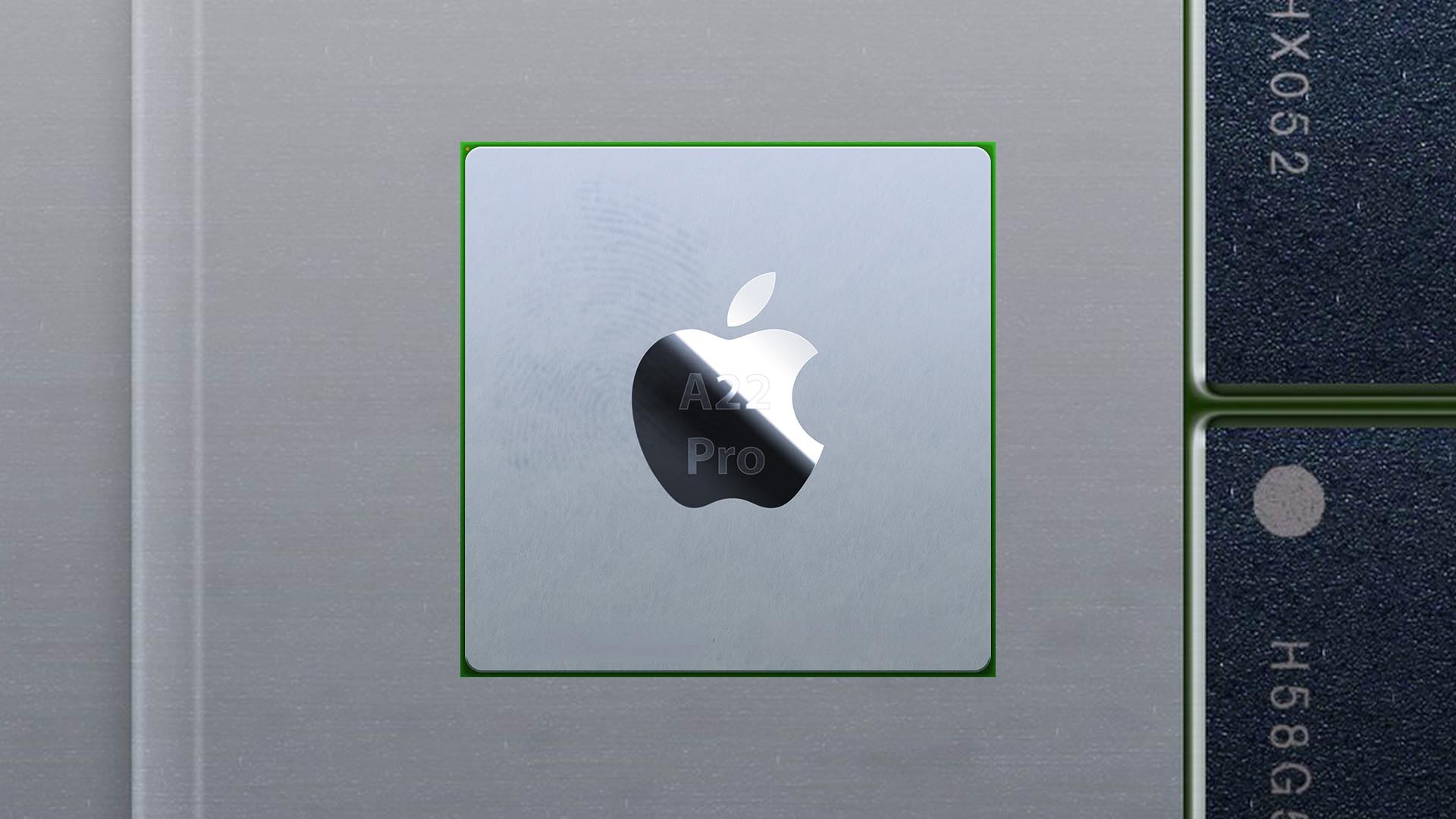
Apple warns AI computing capacity shortages could delay product and service launches
Apple has signaled that growing demand for artificial intelligence infrastructure could create new challenges for its business, including potential delays to future products and services.
In its latest 10-Q filing with the U.S. Securities and Exchange Commission, the Cupertino-based technology company said it may face shortages of computing capacity needed for artificial intelligence and machine learning features. The warning adds another layer to Apple’s broader concerns about supply chain pressure, component availability, and rising infrastructure costs.
Apple noted that its business depends on access to key components and computing resources. Because the company sources certain parts from a limited number of suppliers, it remains exposed to price swings, supply disruptions, and shortages. These issues can affect production schedules, product availability, and overall revenue growth.
The company specifically pointed to ongoing challenges in the memory market, including NAND and DRAM supply conditions. Apple said instability in these sectors could make it harder to obtain enough components or finished products on commercially reasonable terms.
However, one of the more notable additions in the filing involves artificial intelligence and machine learning. Apple said its AI and machine learning services depend on having access to sufficient computing resources. As demand for this type of infrastructure continues to rise across the technology industry, supply has become tighter, lead times have grown longer, and costs have increased.
Apple also acknowledged that it does not rely solely on its own infrastructure. The company uses third-party computing resources to support some of its AI needs. If Apple cannot secure enough capacity at acceptable prices, or cannot secure it at all, the company said it could face limitations in the functionality and availability of certain products and services.
That means future Apple features powered by AI could be affected if the company cannot obtain enough computing power. In some cases, product or service launches could be delayed.
The warning comes as major technology companies race to expand their AI infrastructure. Cloud providers and other large tech firms have invested heavily in data centers, custom AI chips, and specialized computing systems designed to run advanced AI models. Apple, by comparison, has taken a more measured approach, focusing on integrating AI across its devices and services while also using external infrastructure where needed.
Apple’s AI strategy centers partly on Private Cloud Compute, a system designed to handle more complex AI requests while maintaining the company’s privacy-focused approach. The company has previously said this system is intended to support advanced Apple Intelligence features that cannot run entirely on-device.
Earlier this year, Apple also expanded its cloud-based AI capabilities through work involving Google Cloud and NVIDIA technology, allowing parts of its Private Cloud Compute ecosystem to operate with additional high-performance infrastructure.
The filing highlights a key challenge for Apple as it pushes deeper into artificial intelligence. The company is expected to make AI a larger part of the iPhone, Mac, iPad, and its broader services ecosystem. But advanced AI features require substantial computing power, especially when handling large-scale user demand.
If AI infrastructure remains constrained, Apple may need to compete more aggressively for server capacity, chips, memory, and cloud resources. That could raise costs and increase pressure on margins, particularly if the company wants to scale AI services globally while maintaining its standards for privacy, performance, and reliability.
For customers, the main takeaway is that Apple’s future AI features may depend not only on software development but also on the company’s ability to secure enough computing capacity. As artificial intelligence becomes more central to consumer technology, infrastructure availability could play a major role in determining how quickly new features arrive and how widely they are supported.
Apple’s disclosure does not mean delays are guaranteed. Instead, it shows that the company sees AI computing capacity as a meaningful business risk. With demand for AI hardware and cloud infrastructure continuing to surge, Apple is preparing investors for the possibility that limited supply, higher costs, or longer lead times could affect its product roadmap.