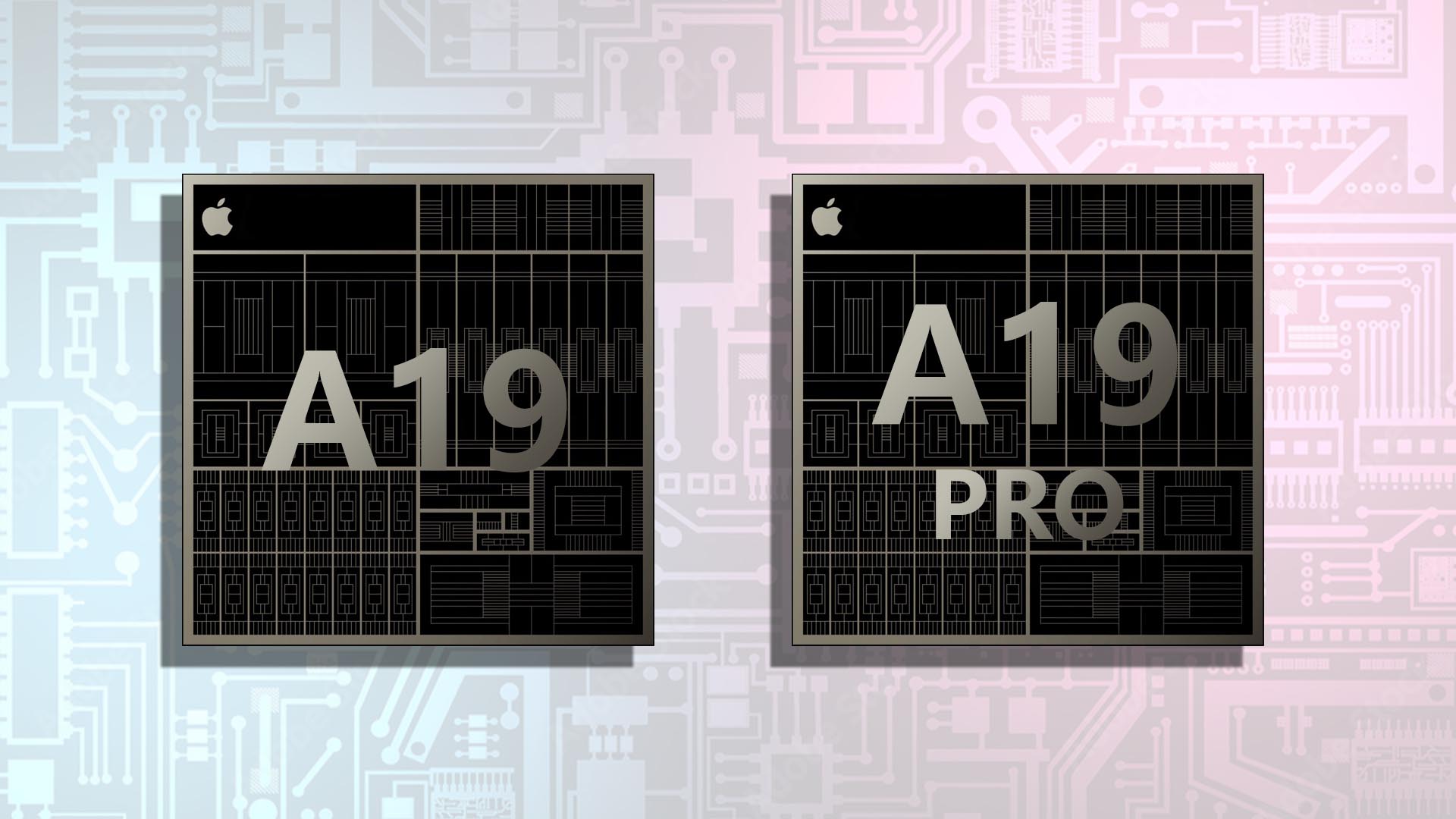
TSMC’s upcoming 3nm ‘N3P’ process is making waves, with Apple reportedly planning to use it for the A19 and A19 Pro chips, while Qualcomm aims to leverage it for the Snapdragon 8 Elite Gen 2. This technological leap puts both giants on an equal footing in terms of lithography, allowing them to focus on their priorities, whether performance or efficiency.
According to insiders, Apple is leaning towards enhancing the efficiency of its chips, potentially placing Snapdragon’s new offerings ahead in raw performance. Despite this, there’s speculation that Apple’s A19 and A19 Pro will boast a higher Instructions Per Cycle (IPC) than Qualcomm’s, suggesting a strategy focused on overall efficiency rather than benchmark supremacy. This move seems tailored to improve the user experience by boosting the iPhone 17 series’ battery life.
Recent chatter indicates that while the A19 and A19 Pro might align with the M4 in single-threaded performance, MediaTek’s Dimensity 9500, also built on the N3P node, reportedly outshines them in multi-core performance. However, this edge in performance often comes at the expense of battery longevity.
Interestingly, manufacturers using chips like the Snapdragon 8 Elite Gen 2 or Dimensity 9500 might counteract high power demands by incorporating larger batteries, thanks to advancements like silicon-carbon technology. Apple, on the other hand, has yet to adopt silicon-carbon cells and plans to release the iPhone 17 Air with a modest 2,800mAh battery. This decision underscores Apple’s commitment to efficiency, even if it means not topping the performance charts.
Ultimately, while Apple might forego some bragging rights in benchmarks, its strategy could translate into a better everyday user experience.