iPhone 17 chipset guide: which model is getting A19, A19 Pro, and what it means for your upgrade
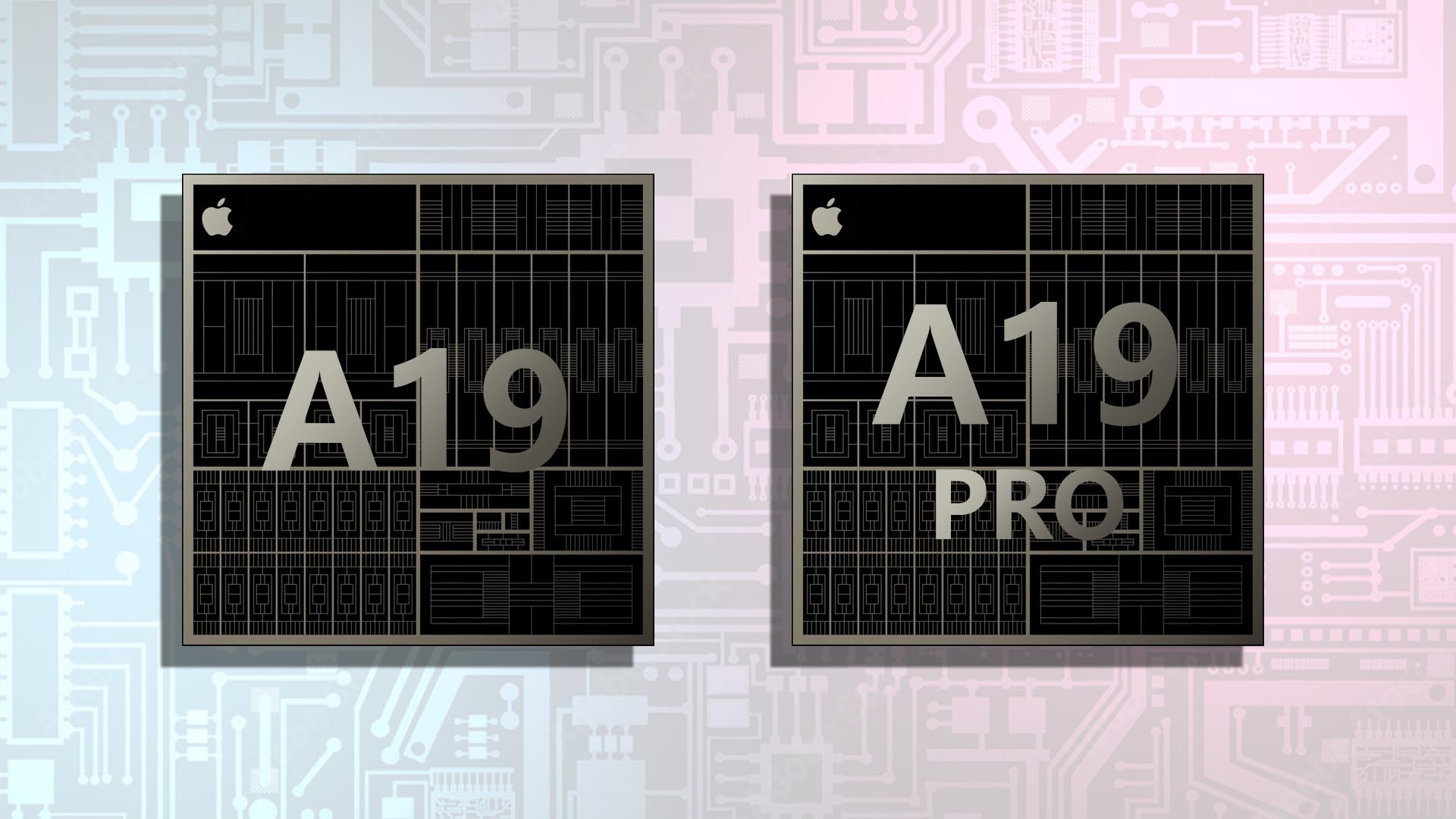
Apple is expected to unveil four iPhone 17 models at its September 9 keynote, alongside two new chipsets: the A19 and A19 Pro. Both are reportedly built on TSMC’s latest 3nm N3P process, promising modest gains in performance and power efficiency over last year’s A18 and A18 Pro, which used the older N3E node. With conflicting reports swirling, here’s the clearest picture so far of how Apple may distribute its new silicon across the lineup.
What’s likely for each iPhone 17 model
– iPhone 17: Don’t be surprised if the base model skips both A19 chips. Current chatter points to an A18 with a 5‑core GPU, though an A19 isn’t off the table if Apple decides to sweeten the entry model late in the game. This version is also tipped to miss the 12GB RAM upgrade expected for the rest of the lineup.
– iPhone 17 Air: The ultra‑slim newcomer is rumored to get the A19 Pro, but with a 5‑core GPU instead of the higher‑binned 6‑core version. Expect better performance than the base iPhone 17, but with a slight graphics downgrade versus the Pro models. The big question is thermals: fitting powerful silicon into a thinner chassis could make sustained performance trickier.
– iPhone 17 Pro: The safe bet for the full A19 Pro experience. Reports suggest the Pro will use the higher‑binned 6‑core GPU and add a vapor chamber to improve sustained performance during gaming and other heavy workloads.
– iPhone 17 Pro Max: Mirrors the Pro’s silicon strategy with A19 Pro and a vapor chamber for the best sustained performance in the range.
Why the A19/A19 Pro split matters
Apple began separating its top‑tier chips into standard and Pro versions last year, and it looks set to continue. The move gives Apple room to differentiate models without overhauling the entire lineup. There’s precedent for nuanced binning too: the A18 has come in at least two variants, including a version with a 4‑core GPU in certain iPhone 16 models, which cut graphics performance compared to the 5‑core GPU version. Expect similar fine‑tuning this year, especially around GPU cores and thermal envelopes.
Performance and efficiency expectations
– Process node: A19 and A19 Pro on N3P should bring incremental gains in speed and battery life over N3E‑based A18/A18 Pro, rather than a revolution.
– GPU cores: The biggest practical differentiator looks like GPU binning—5‑core on some models versus 6‑core on the highest‑end configurations.
– Thermals: Vapor chambers rumored for the Pro and Pro Max should help them hold peak performance longer than thinner or non‑cooled models.
RAM outlook
– iPhone 17 Pro and Pro Max: Expected to move to 12GB RAM.
– iPhone 17 Air: Also tipped for 12GB RAM.
– iPhone 17 base: Likely stays below 12GB, aligning with Apple’s ongoing strategy of reserving top memory configurations for higher tiers.
Upgrade advice based on the current picture
– Value and everyday use: iPhone 17. If it lands with the A18 5‑core GPU, you’ll still get solid performance and better battery efficiency than older models.
– Sleek design with serious speed: iPhone 17 Air. A19 Pro CPU with a 5‑core GPU offers strong performance in an ultra‑thin body, though sustained graphics loads may be more constrained.
– Best for gaming and pro‑level workloads: iPhone 17 Pro or Pro Max. A19 Pro with a 6‑core GPU and vapor chamber cooling should deliver the highest, most consistent performance.
Bottom line
Expect the iPhone 17 family to lean on smarter chip binning and cooling to create clear steps between models. If Apple sticks to the plan, the Pro and Pro Max will be the performance kings, the Air will deliver a stylish blend of power and portability, and the base iPhone 17 will target mainstream buyers with a proven chip and a lower cost of entry. We’ll know for sure at the September keynote, but this is the most credible roadmap for choosing your next iPhone.