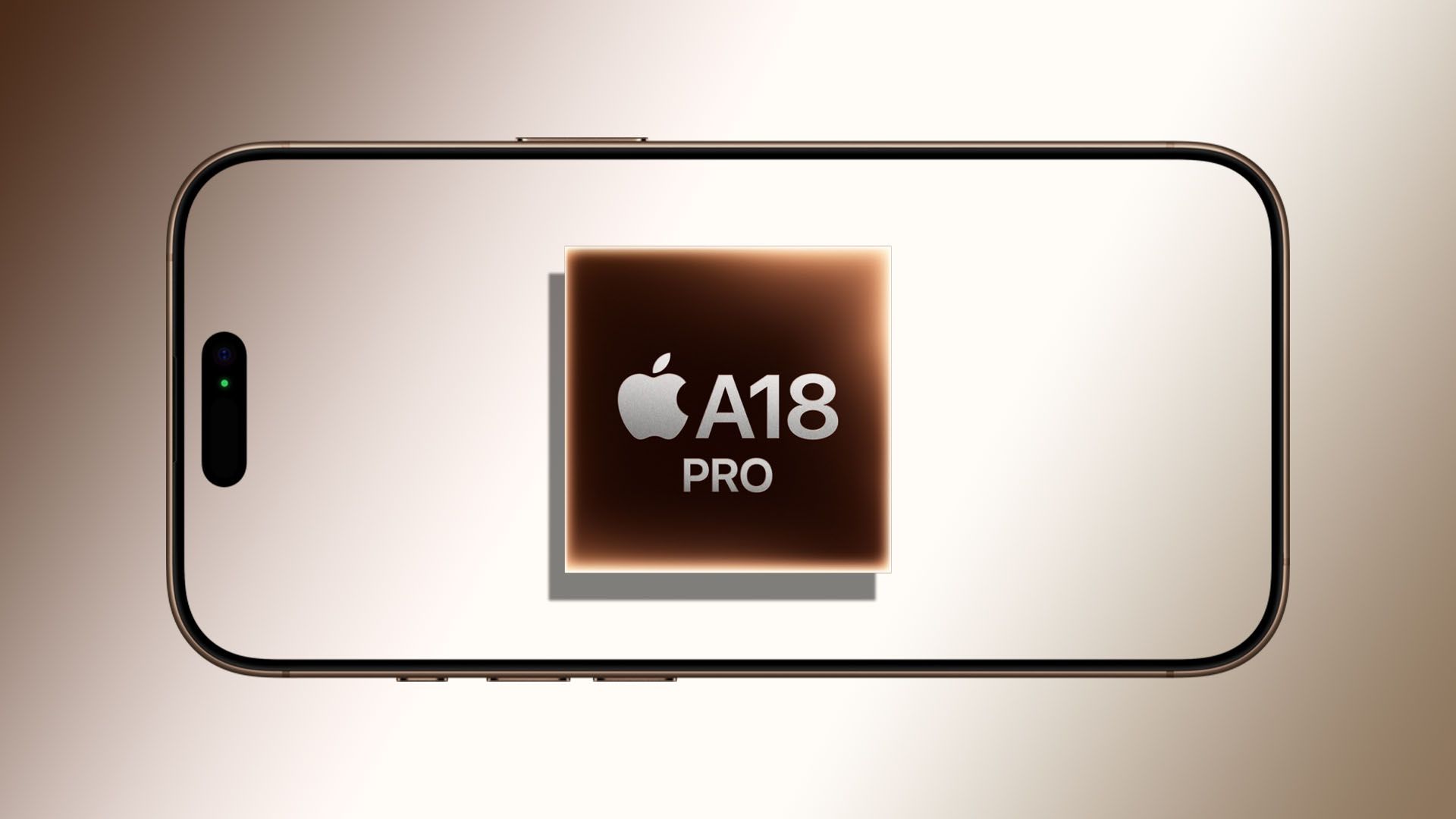
The iPhone 16 series boasts a standout feature that unifies all models: a chipset built using TSMC’s advanced second-generation 3nm process. This marks Apple’s effort to extend flagship-level performance across its entire lineup, though they’ve added a twist to differentiate between the ‘Pro’ and ‘non-Pro’ versions. Enter chip binning—an industry-standard practice where chips are sorted based on performance during manufacturing, ensuring even the lower-tier models get a taste of top-tier technology.
So, what exactly sets the A18 and A18 Pro apart? Surprisingly, it’s just one GPU core. Both chipsets feature the same six CPU cores: two for high performance and four optimized for power efficiency. If you’re expecting a significant architectural change, think again. Benchmark leaks reveal a peak clock speed of 4.04GHz for the performance cores, aligning with Apple’s consistent design ethos.
While CPU elements remain constant, the Neural Engine is another shared feature with both versions boasting 16 cores dedicated to machine learning and Apple’s generative AI capabilities. The real distinction lies in the graphics department. The A18 Pro, powering the iPhone 16 Pro and Pro Max, includes a 6-core GPU. In contrast, the standard A18 chipset, found in the iPhone 16 and 16 Plus, comes with a 5-core GPU.
This strategic differentiation isn’t new for Apple. Remember the iPhone 13 series? It featured the A15 Bionic chip across all models, but the Pro variants had a 5-core GPU, while the regular models had just 4. Performance tests from that era showed the Pro’s enhanced GPU delivering up to 55% better performance compared to its predecessor, whereas the standard GPU managed only a 15% improvement.
Such differentiation likely stems from chip binning. Manufacturing cutting-edge wafers often proves complex, and perfect chips are rarities. Apple likely re-purposed lower-binned A18 Pro chips, branding them simply as A18. This approach saves costs while still delivering robust performance in the iPhone 16 and 16 Plus. Many tech companies employ similar strategies, reusing and rebranding chips to maximize production efficiency.
By following such methods, Apple not only maintains a high-performance threshold across its devices but also ensures better resource utilization. For consumers, this means access to powerful, efficient devices, regardless of whether they opt for the Pro models or the more budget-friendly versions.