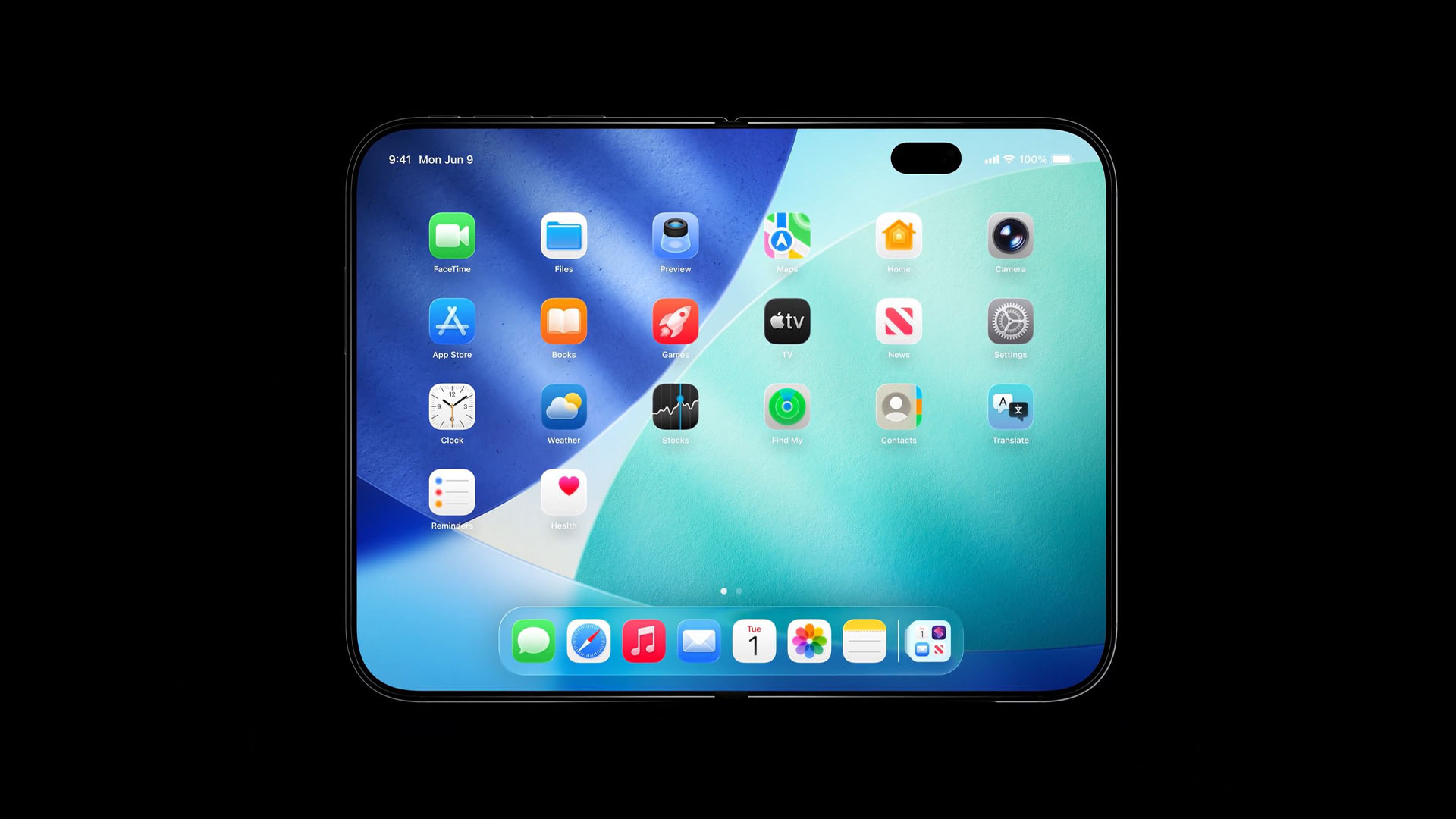
Foldable phones were once expected to be the next big leap after the familiar “candy bar” smartphone design. But even years after the first major foldable launches, the category still hasn’t broken through to the mainstream in a meaningful way.
For many buyers, the hesitation is simple: foldables often cost significantly more than traditional flagship phones while delivering similar core performance. Add concerns about durability—hinges, flexible displays, and other moving parts naturally introduce more long-term wear—and it becomes harder to justify spending premium prices. As a result, foldables have remained a niche choice rather than a mass-market upgrade.
That could change if Apple enters the foldable market.
A fresh supply chain rumor suggests Apple is getting ready for a foldable iPhone launch by ramping up key component inventory—especially displays. According to a Weibo-based tipster known as Fixed-focus digital cameras, Apple has reportedly increased its foldable display inventory by around 20%. The same post claims Apple’s initial supply could reach roughly 11 million units.
If that number holds, it would be a major signal for the entire foldable phone industry. Market forecasts from IDC estimate worldwide foldable smartphone shipments could reach about 20.6 million units in 2025, representing around 10% growth year over year. An 11 million-unit launch would mean Apple alone could account for more than half of the foldable phones expected to ship that year—an unusually large share for a category that’s still finding its footing.
The rumor also notes that many components for the device are reportedly close to being finalized. However, there may still be hurdles involving certain key materials and the pricing terms Apple’s suppliers will need before assembly can move forward smoothly.
Of course, even 11 million units would be small compared to Apple’s annual iPhone shipments across all models. But within the foldable segment, it would be a huge injection of momentum—potentially pushing foldables closer to mainstream adoption by boosting consumer awareness, retail presence, and overall confidence in the form factor.
One major factor to watch is price. The foldable iPhone is rumored to start around $2,000, and that kind of price tag could limit demand, even with Apple’s brand power. Still, if Apple is truly preparing inventory at this scale, it suggests the company expects meaningful interest—enough to reshape the foldable smartphone market almost overnight.
As with any pre-launch leak, nothing is confirmed until Apple makes it official. But if these supply signals are accurate, the foldable phone race may be heading into its most important year yet.