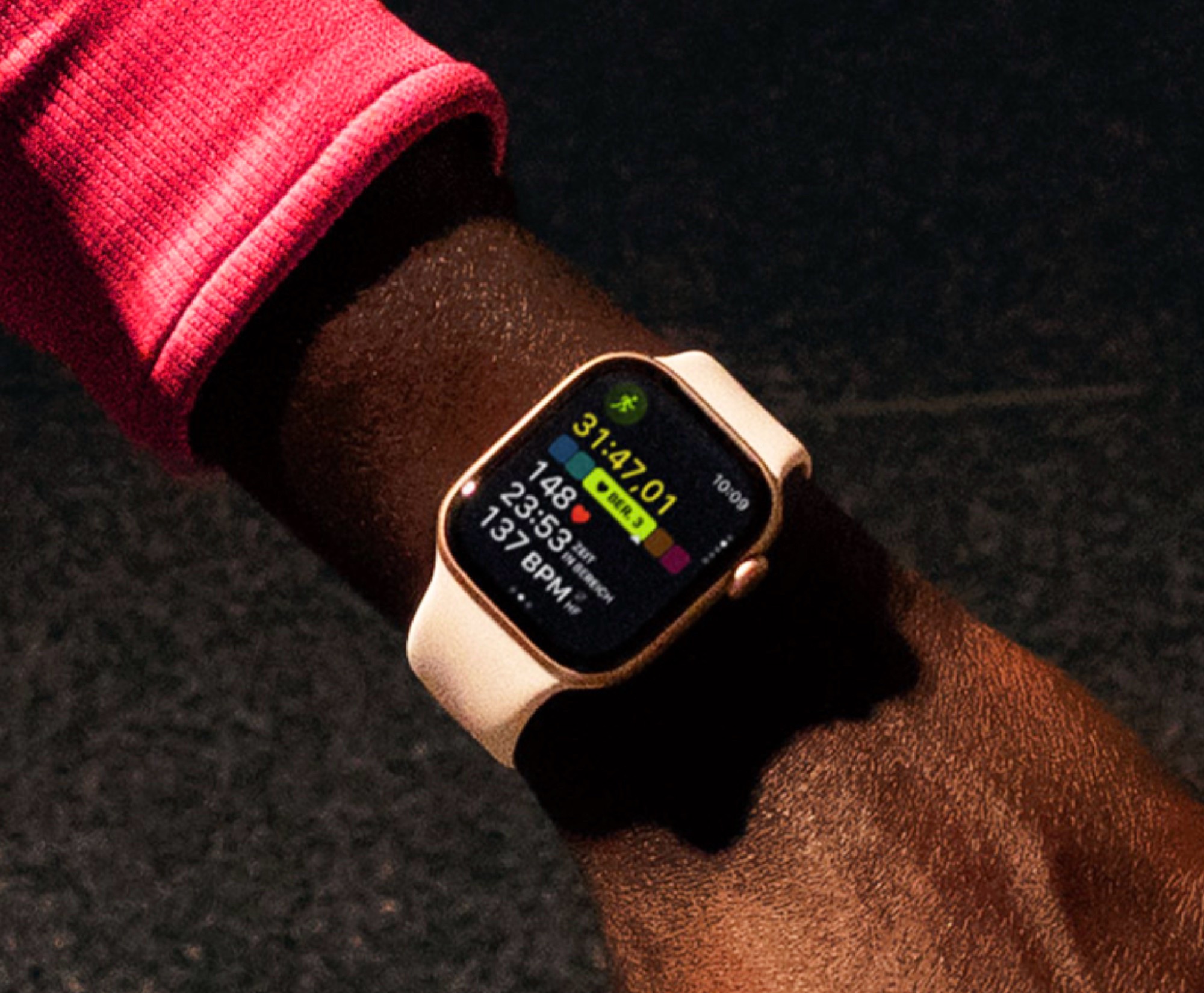
Hoping the Apple Watch Series 11 would deliver a big leap in battery life? Temper your expectations. The latest model offers only modest gains, with the most noticeable change being about six extra hours of sleep tracking before you need to recharge. In day-to-day use, the overall endurance still looks very similar to its predecessor.
Apple’s own figures suggest the runtime increases are marginal, especially when you look at the power-saving mode. The Series 11 is rated for up to 38 hours in that mode, which is just two hours—or roughly 5.5%—more than the Series 10. What’s more, that slight boost comes under lighter usage than last year’s test conditions. For the Series 10, Apple counted 600 screen activations, 180 push notifications, and 30 minutes of app use; the Series 11’s 38-hour claim is based on 530 screen activations, 160 notifications, and 26 minutes of app use. In other words, the headline number is a touch higher, but the workload behind it is lower.
On paper, there is a reason for optimism: the battery capacity in the Apple Watch Series 11 has reportedly grown by about 7 to 10 percent depending on the model. That should translate into slightly longer real-world runtime. And if you’re focused on health features, the added six hours of sleep tracking is a welcome tweak for overnight monitoring without rushing to the charger at bedtime.
However, the core challenge remains. Under intensive, feature-rich usage—frequent screen wake-ups, constant notifications, GPS workouts, and app multitasking—the Apple Watch Series 11 still struggles to move beyond a single day on a charge. That reality becomes even more apparent as the battery ages. After a couple of years of normal wear and tear, when battery capacity naturally declines, getting through a full day with conservative settings can become difficult.
If you’re comparing Apple Watch Series 11 vs Series 10 specifically for battery life, here’s the bottom line:
– Slightly larger battery (approximately 7–10% increase) in Series 11
– Power-saving mode claim: 38 hours on Series 11 vs 36 hours on Series 10
– The power-saving test for Series 11 used fewer screen activations, fewer notifications, and less app time than Series 10
– About six more hours of sleep tracking before charging on Series 11
For most users, that means incremental improvements rather than a transformation. You’ll see small gains in endurance, particularly overnight, but heavy users should still expect daily charging. If long battery life is your top priority, plan to manage settings, limit background activity when possible, and make peace with frequent top-ups—because even with a slightly bigger battery, the Apple Watch Series 11 remains a one-day smartwatch for many.