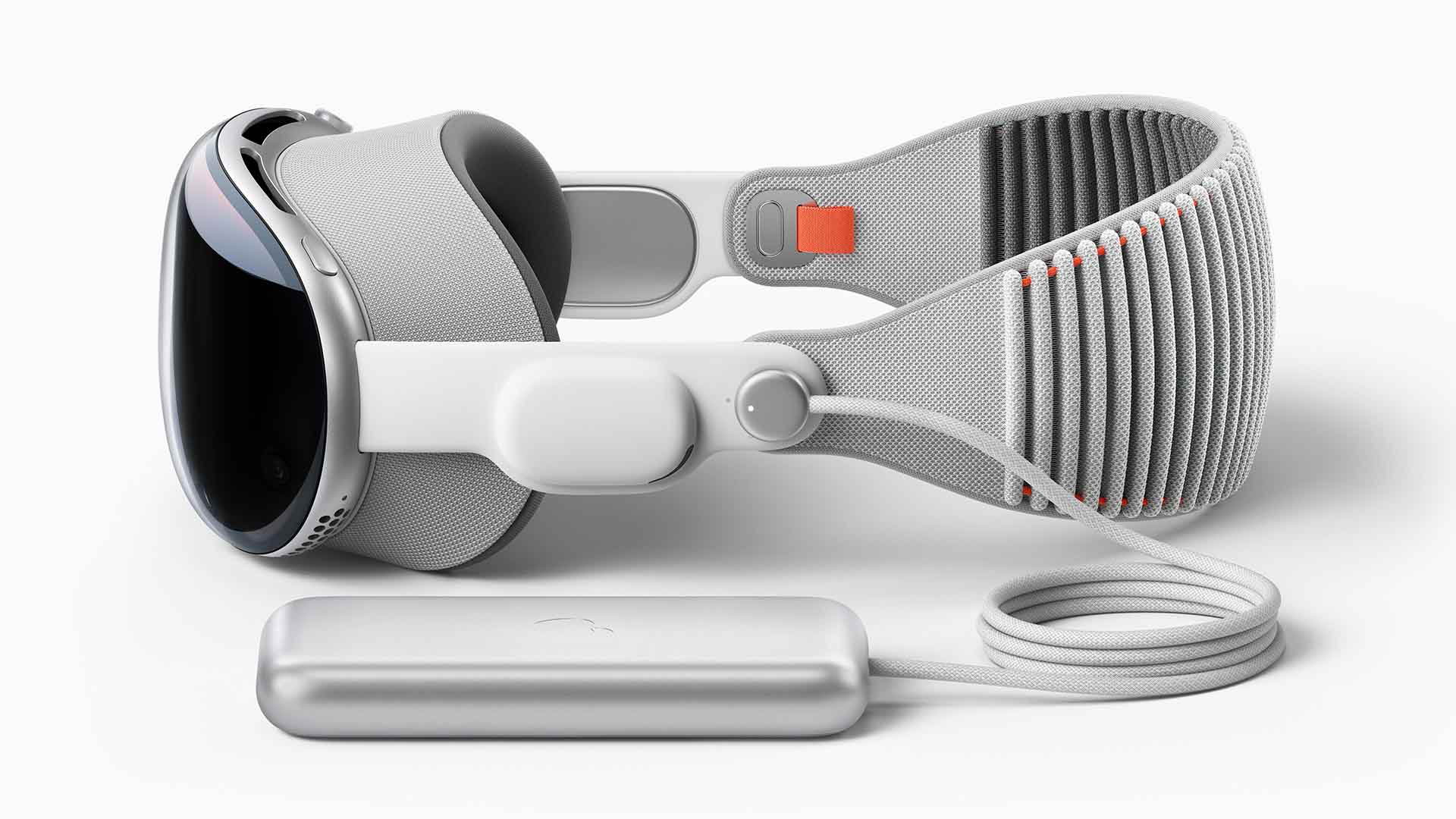
Reflecting on the launch of Apple’s Vision Pro headset back in February, it’s clear that despite futuristic ambitions, the product has struggled to gain widespread momentum. Reports highlight that fewer than 500,000 units have been shipped since its release in early 2024, leading many to believe that the Vision Pro may have been quietly pulled from production lines, according to early accounts from this year.
Surprisingly, despite its lackluster sales, the Vision Pro snagged the ‘Gadget of the Year’ award, thanks to its superior visual quality and smooth user experience. However, awards don’t translate to commercial success, especially when the price tag reads $3,499 for the base model. Unsurprisingly, those who did invest found the novelty quickly waned, leading to a spate of returns.
This tepid demand prompted Apple to instruct suppliers to halt production. Additionally, plans for a more affordable version of the headset have hit a snag; projections for its release have been pushed back to beyond 2027. In contrast, a new, even more costly iteration featuring the M5 chipset is expected later this year, though insider claims suggest we won’t see it until the end of 2026.
Apple’s CEO, Tim Cook, acknowledged the sales slump, explaining that the Vision Pro was designed not for the average consumer, but for those eager to experience cutting-edge technology today. Yet, the number of consumers willing to spend at least $3,499 remains small, indicating a disconnect between price and perceived value.
Compounding this issue is the scarcity of practical applications and a limited range of apps, hindering its potential as a daily device. In response, Apple is working on enhancing the user experience with updates like support for an ultrawide virtual display to boost productivity. They’re also collaborating with ResMed on a $120 strap aimed at reducing head strain.
Had these improvements been introduced sooner, perhaps the Vision Pro might have found its footing. But as we move into 2025, anticipation builds for what the next chapter holds, hoping for more innovative solutions to capture consumer interest.


