iPhone Air 2 rumor roundup: split launch strategy, A20 efficiency boost, and what it means for Apple’s first foldable
Apple’s next iPhone cycle may look very different. According to Bloomberg’s Mark Gurman, the company is preparing a two-wave launch that keeps the iPhone Air line alive despite quieter sales, positions it as a proving ground for a future foldable, and leans on a major chip upgrade rather than flashy camera changes.
Here’s what’s taking shape, based on the latest reporting:
– Two waves for iPhone 18. Apple is expected to split the lineup for the first time. The iPhone 18 Pro, iPhone 18 Pro Max, and a foldable model often referred to as iPhone Fold or iPhone 18 Fold are tipped to arrive in September 2026. The standard iPhone 18, the more affordable iPhone 18e, and the iPhone Air 2 would then follow in spring 2027.
– iPhone Air stays in the lineup. Despite softer sales than mainstream models, the ultra-thin iPhone Air is reportedly more important to Apple as a technology and supply-chain testbed. Think of it as a bridge to the company’s first foldable, expected in 2026, sharing foundational components and manufacturing learnings.
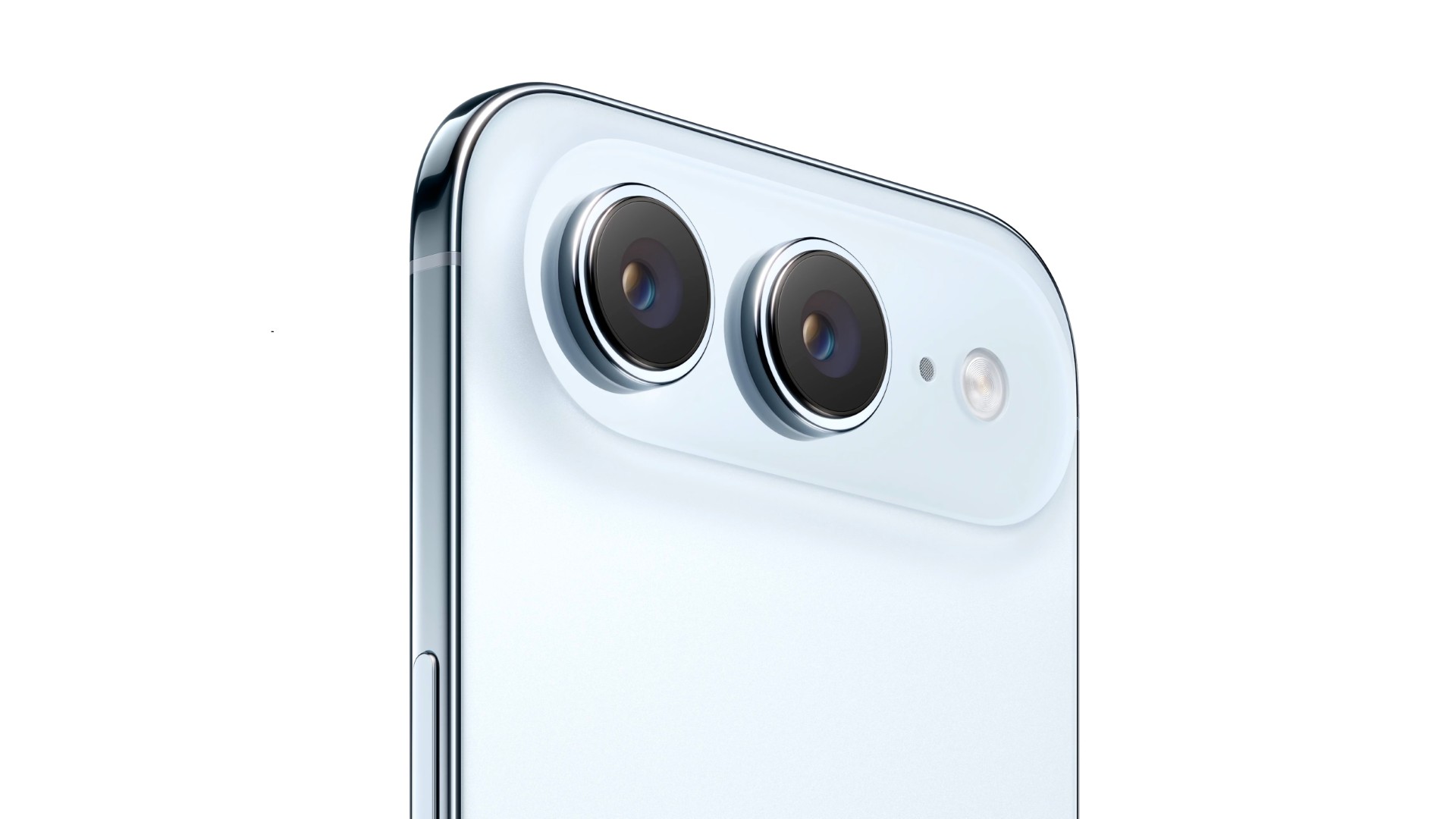
– No dual camera for Air 2—at least not yet. Gurman pushes back on rumors that the next Air will gain a dual-camera setup. He suggests Apple won’t make that change until the camera hardware can be shared with the foldable, helping streamline parts and production.
– The big upgrade is inside: Apple A20 at 2nm. The headline feature for iPhone Air 2 is said to be Apple’s A20 chip built on a 2nm process. Expect a focus on efficiency and longer battery life rather than a radical design overhaul. That aligns with Apple’s strategy of maturing the Air as a thin, efficient device.
– Pricing strategy remains deliberate. The first iPhone Air wasn’t priced aggressively compared to the iPhone 17 Pro, and that approach appears intentional. With the Air serving strategic goals beyond sales volume, Apple isn’t chasing a bargain-bin slot.
– Naming gives Apple flexibility. Calling the device iPhone Air instead of iPhone 17 Air lets Apple space out updates on its own timeline. The Air 2 arriving roughly 18 months after the original was reportedly planned from the start—not a reaction to sales.
– A longer view: Apple’s 2027 anniversary redesign. The staggered release pattern is expected to continue into 2027, when Apple is rumored to unveil a redesigned anniversary iPhone—potentially dubbed iPhone 20—with curved glass and an under-display camera.
What this means if you’re planning an upgrade
– If you want the latest Pro hardware or Apple’s first foldable iPhone, current expectations point to September 2026.
– If you’re eyeing the lighter, thinner iPhone experience, the iPhone Air 2 is reportedly targeting spring 2027 with a next-gen 2nm A20 chip and a bigger emphasis on battery efficiency over camera changes.
– The split release could become Apple’s new normal, giving each wave some spotlight while helping the company manage supply-chain complexity for ambitious designs like a foldable and an ultra-thin Air.
Bottom line: Apple’s iPhone Air isn’t going away—it’s evolving with purpose. Rather than chasing specs for the sake of it, Apple appears to be using the Air to validate technologies that will define its foldable future, all while moving the broader lineup to a more flexible release cadence.