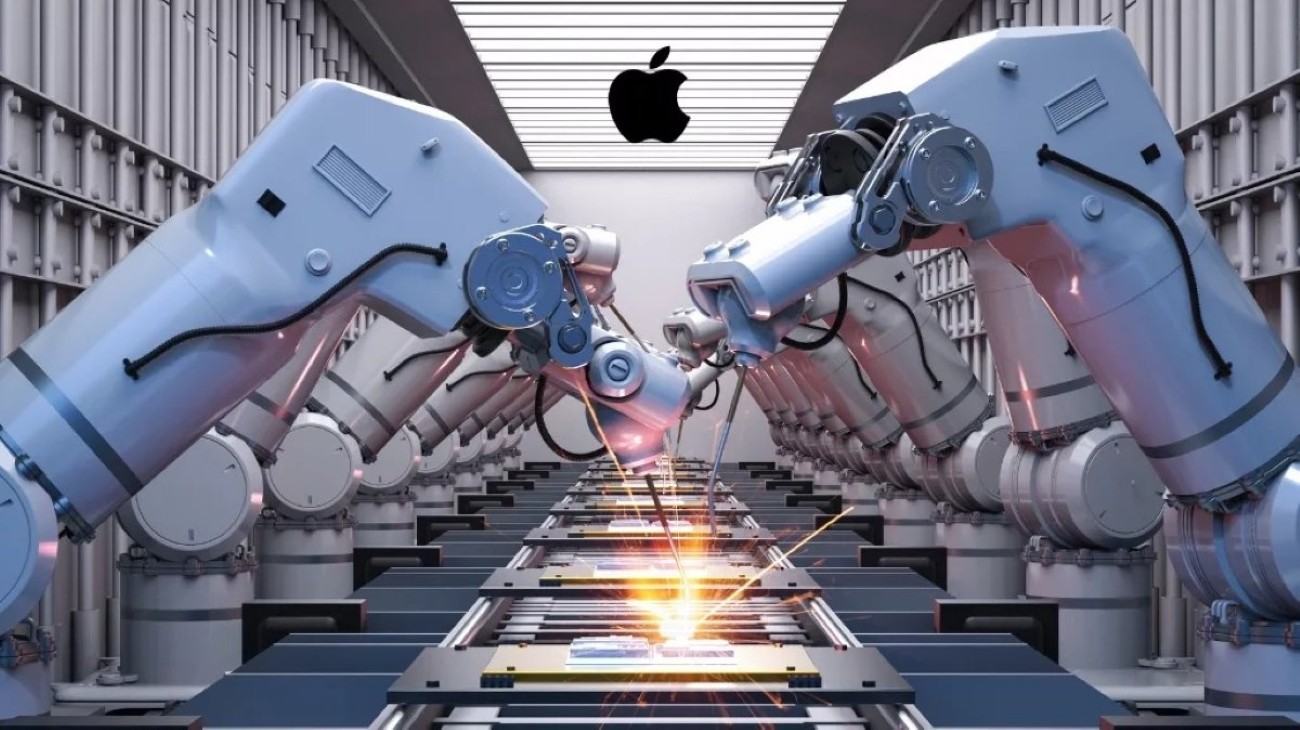
Apple is tightening the screws on its supply chain: automate now or risk losing future business, including iPhone assembly work. According to a new supply chain report, the company has told manufacturing partners to adopt robotics and other automated systems to boost efficiency and cut labor costs. Unlike previous years—when Apple occasionally helped fund key equipment purchases—suppliers are largely expected to foot the bill themselves this time.
The message is clear: factories that can’t finance the shift to automation may be sidelined when new product orders are allocated. For many partners, that’s a high-stakes gamble, given how central Apple contracts are to their revenue.
What’s driving the push
– Cost pressure from tariffs on China-made goods continues to weigh on consumer electronics.
– Even as Apple expands iPhone assembly in regions like India, the vast web of components still heavily depends on China, making a full supply chain exit unrealistic in the near term.
– With these added costs in the pipeline, automation becomes a lever to keep unit economics in check and protect margins.
– The report also suggests Apple may unveil the iPhone 17 series on September 9, adding urgency to streamline production ahead of a major launch window.
What it means for suppliers
– Capital expenditure is now the entry ticket: robotics, vision systems, automated test lines, and smarter logistics will be table stakes.
– Those that move quickly could win more orders, while laggards risk being cut from future programs.
– The near-term financial strain of new equipment could be significant, but long-term gains include lower defect rates, faster throughput, and more predictable yields.
What it means for consumers and markets
– Automation could help offset tariff-related costs, potentially reducing the size of any price increases on new iPhones.
– Faster, more consistent production may improve launch availability and reduce bottlenecks.
– The downside is a likely reduction in factory headcount, which could draw scrutiny from governments seeking to preserve local employment, complicating negotiations around incentives and expansion plans.
The big picture
Apple’s supply chain remains one of the most complex and efficient in the world, but the era of easy cost savings is over. With tariffs sticky and regional diversification only partially achievable, automation is emerging as the company’s primary tool to stabilize costs and scale output. Expect months of investment decisions, pilot lines, and retraining as suppliers race to meet the new standard.