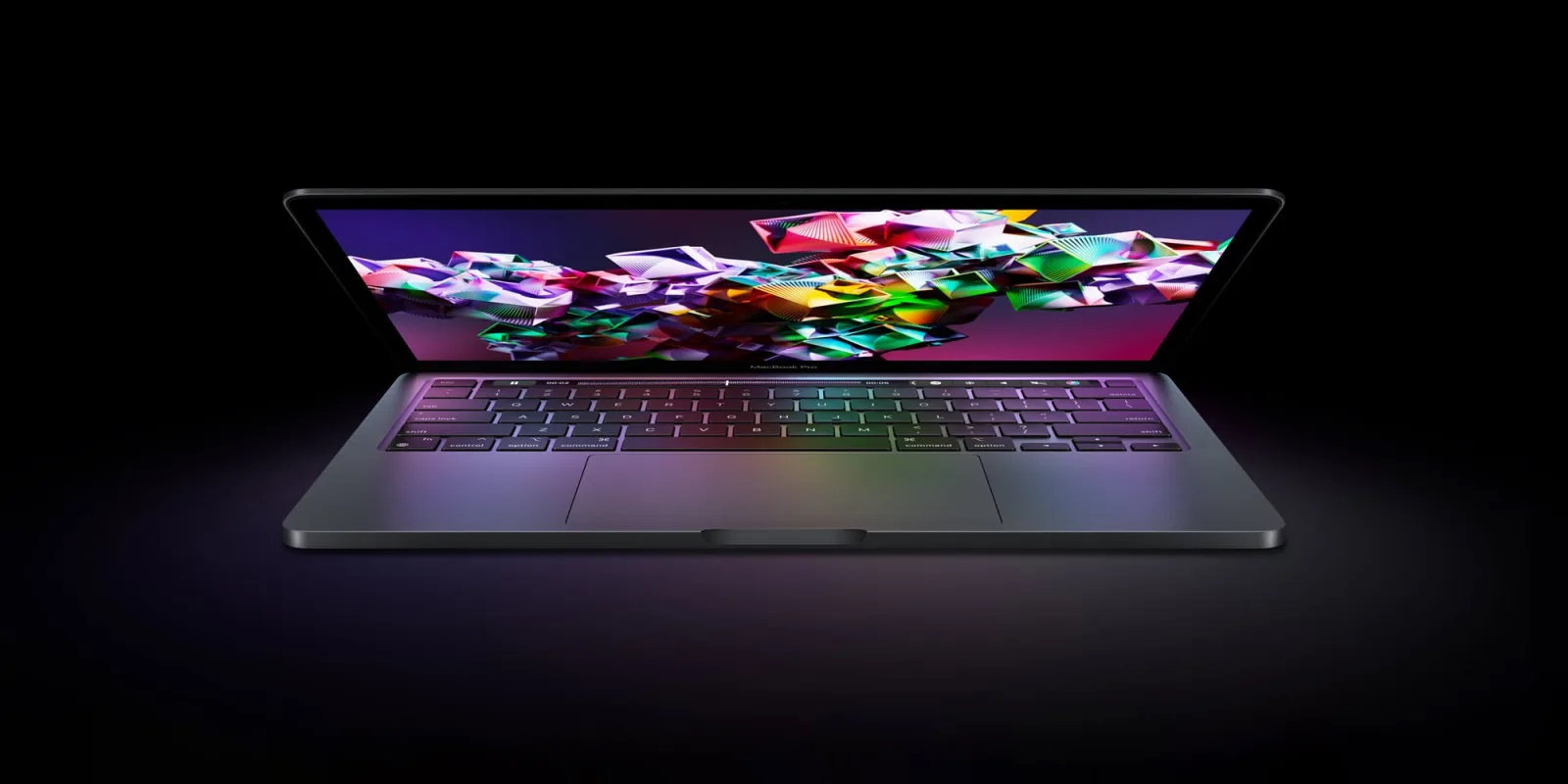
Apple’s incorporation of OLED technology in its devices marks a significant technological shift, with plans to adopt this display innovation for its MacBook Pro lineup anticipated as early as 2026. Following the successful integration of OLED screens into its 11-inch and 13-inch M4 iPad Pro models, Apple appears set to bring these advances to the next generation of MacBooks.
The transition to OLED displays in the MacBook Pro range points to a bright future, with industry analysts predicting a remarkable increase in market demand. Renowned for its vibrant colors and deep blacks, OLED technology allows each pixel to produce its own light, rendering additional backlighting unnecessary. This level of sophistication not only contributes to enhanced display aesthetics but also to the potential for slimmer device designs—as seen with the recent M4 iPad Pro models.
The projected adoption of OLED screens in Apple’s MacBook Pro could stimulate an explosive growth in the notebook sector. Reports sourced from experts at Omdia, a leader in global market research, anticipate a 37 percent rise in OLED panel demand from 2023 to 2031. Ricky Park, a Senior Principal Analyst at Omdia, shared his perspective on the expected industry developments, citing an estimation that the utilization of OLED in MacBook Pros could drive demand to exceed 60 million units over the next decade.
A key innovation that may debut with the 2026 MacBook Pros is Tandem OLED technology, renowned for allowing increased brightness levels and enhanced panel longevity. This advancement has already made its way into Apple’s iPad Pro lineup and is poised to redefine the MacBook Pro experience.
Yet, the path to integrating OLED technology into MacBook Pros isn’t free from obstacles. Prior assessments suggest that the intricate production processes for these advanced displays are still being refined. Major players such as Samsung have notably invested substantial amounts into new production facilities, but the timeline for these panels’ mass production remains uncertain.
The manufacturing of Tandem OLED units involves significant expenses, which is why display producers like Samsung seek definitive profitability before dedicating an entire plant to one customer. Having already persuaded Samsung and LG to manufacture panels for iPad Pros, Apple now faces the challenge of convincing them to extend this commitment to future MacBook Pro models.
The excitement for what OLED displays could mean for the MacBook Pro lineup is palpable. With thinner designs, potentially increased longevity, and unmatched display quality, Apple’s upcoming MacBook Pros are set to ignite a new standard in the notebook market, providing consumers with even more compelling reasons to embrace these cutting-edge portable computers.
News has been circulating from Omdia, a trusted source in technology market analysis, serving to confirm the speculated trajectory for Apple’s future releases in the computer division and the broader impacts on industry demand and innovation.


