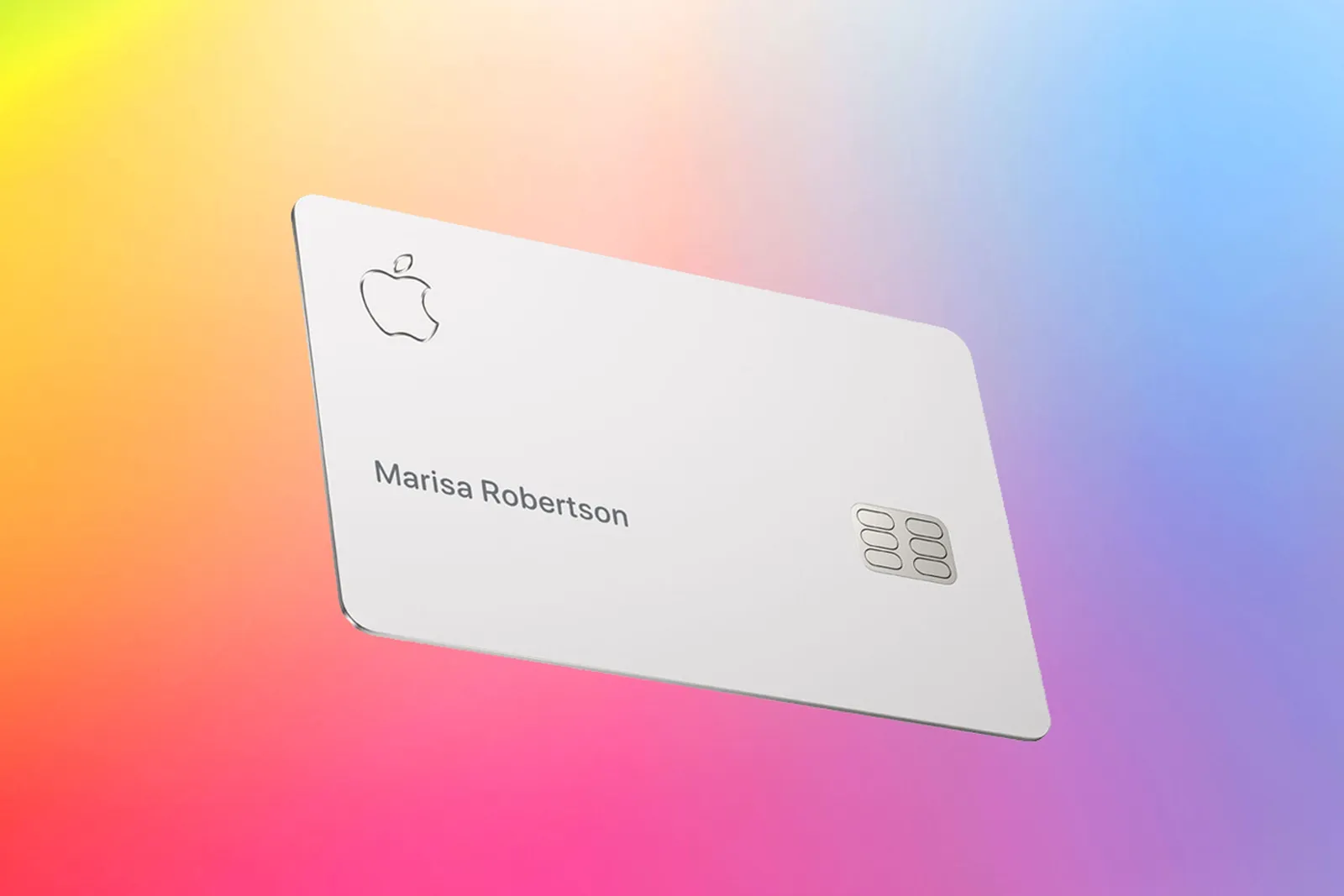
Apple’s credit card program is reportedly getting a major shake-up, and it’s one that has been building for a while. After more than a year of negotiations, Apple has reportedly reached an agreement with JPMorgan to take over the Apple Card business currently handled by Goldman Sachs—marking a significant handoff for one of the most high-profile consumer finance partnerships in recent years.
According to the report, the deal would move Apple Card accounts carrying roughly $20 billion in outstanding balances from Goldman Sachs to JPMorgan. Notably, Goldman Sachs is said to be transferring the business at an unusual $1 billion discount, underscoring how challenging the Apple Card portfolio has been for the bank.
Apple Card launched in 2019 through a partnership involving Mastercard and Goldman Sachs, positioning itself as a streamlined credit card built for iPhone users and designed to work seamlessly with Apple Pay. Its core appeal has been simplicity and consumer-friendly terms, including unlimited 2% cash back on purchases made with Apple Pay and unlimited 3% cash back at select partner merchants. The card also gained attention for skipping several common credit card charges, such as foreign transaction fees, late fees, and returned payment fees. On top of that, Apple promoted 0% financing options for eligible Apple product purchases, a perk that helped strengthen the company’s broader retail ecosystem.
But those attractive benefits also came with real financial pressure behind the scenes. The cash-back structure reportedly contributed to substantial losses for Goldman Sachs, particularly when combined with delinquency rates said to be higher than average. Add in regulatory requirements that can force banks to set aside reserves earlier—effectively tying up capital—and it becomes easier to see why the partnership faced strain and why Apple began looking for a new long-term banking partner.
If JPMorgan takes over, it won’t be a simple behind-the-scenes swap. The bank would reportedly need to issue new cards to existing Apple Card holders as the portfolio transitions. The report also indicates JPMorgan would open a new Apple Savings account, with customers expected to have a choice: move to accounts operated by JPMorgan or continue banking with Goldman Sachs.
For Apple Card users, the big question will be how the transition affects everyday features—cash back rates, Apple Pay integration, fee structure, and financing offers. While the reported deal signals stability for the program’s future, consumers will be watching closely to see whether the Apple Card experience stays the same, improves, or changes as a result of the move to one of the world’s largest banks.