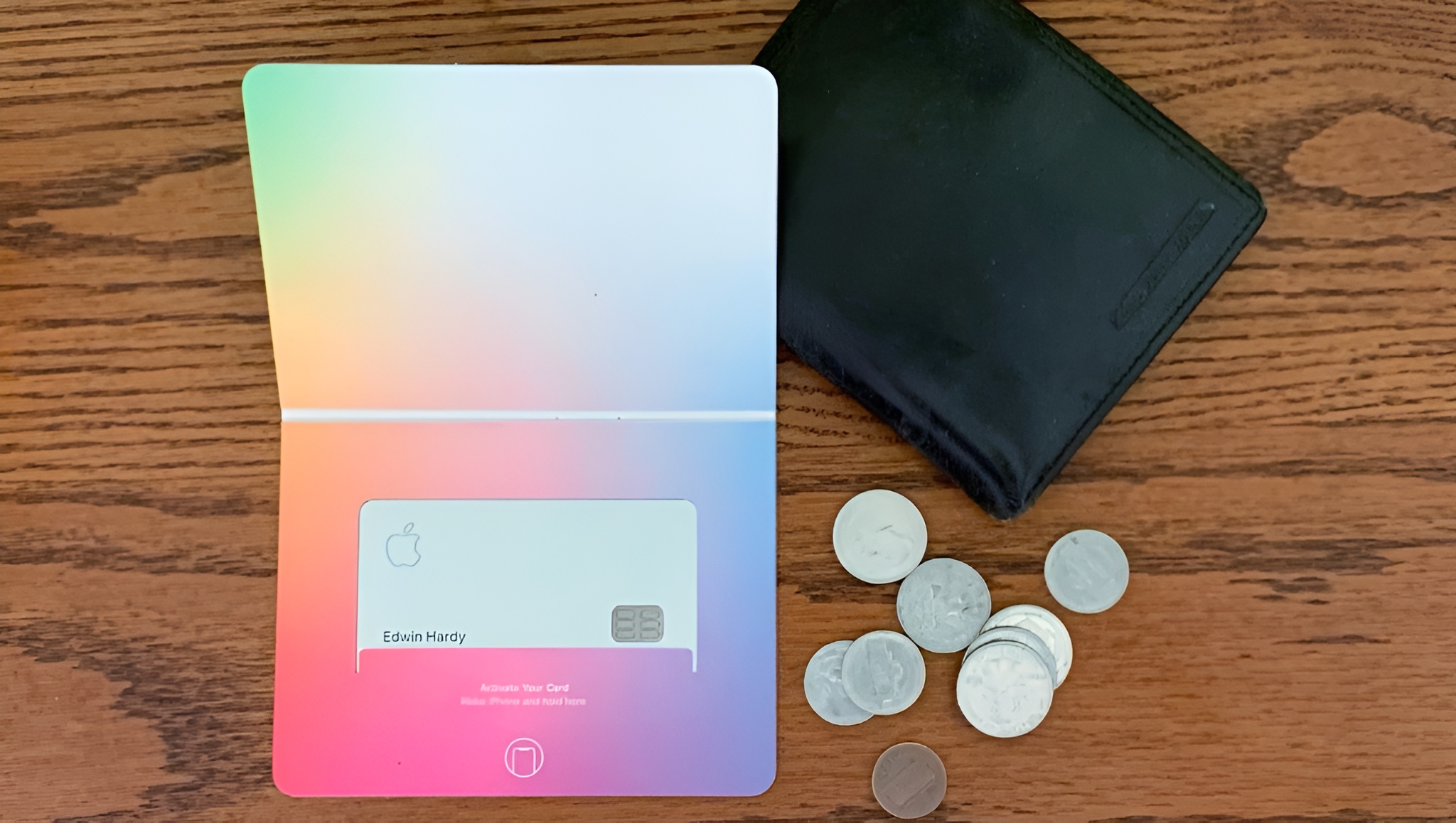
Apple Card has always been more than just a credit card. Since its launch, it’s played a clear role in Apple’s bigger plan: keep customers spending, saving, and paying inside the Apple ecosystem, where Apple Pay, iPhone features, and Apple services all reinforce one another. But behind the sleek titanium design and generous rewards, the program has reportedly become a costly problem for its banking partner, Goldman Sachs—setting the stage for a potential major shake-up that could put JPMorgan in charge as soon as 2026.
Launched in 2019 through a partnership with Mastercard and Goldman Sachs, Apple Card quickly stood out in a crowded credit card market. It offers unlimited 2 percent cash back on purchases made with Apple Pay, and unlimited 3 percent cash back when shopping with Apple’s partner merchants. The card also skips several common pain points that frustrate cardholders, including foreign transaction fees, late fees, and returned payment fees. Add Apple’s 0 percent financing option on many Apple products, and it’s easy to see why the card has been attractive to consumers who already live in Apple’s world.
The same features that appeal to users, however, are reportedly hitting Goldman Sachs’ balance sheet hard. The cash back incentives are said to be a major source of losses, and the situation has been compounded by a few additional pressures. One is the rapid growth of the Apple Card portfolio, which can trigger regulatory requirements that force banks to set aside reserves earlier and more aggressively. Another concern is reportedly a higher-than-average delinquency rate. Together, these issues have contributed to mounting strain for Goldman Sachs, which has also faced broader challenges tied to lending practices.
With Goldman Sachs seemingly less enthusiastic about continuing long-term, Apple has been exploring alternatives. Reports indicate Apple has held talks with several financial institutions in recent months, but JPMorgan is now widely viewed as the front-runner. If a deal moves forward, JPMorgan would likely assume the large loan book that comes with Apple Card—an important detail because the scale of the program is substantial.
There’s a catch for Apple Card fans: JPMorgan is expected to negotiate aggressively, and that could mean changes to some of the card’s most popular perks. While nothing has been confirmed, it’s reasonable to expect any new issuing bank to scrutinize reward rates, underwriting rules, and fee structures in a way that could reshape the current Apple Card experience.
Officially, the original agreement had Goldman Sachs supporting Apple Card through 2029. Still, with persistent reports of advanced conversations and Goldman Sachs’ apparent reluctance to stay the course, 2026 is increasingly being floated as a realistic window for a transition and a broader Apple Card revamp.
One major question remains: what happens to the Apple Card Savings Account? As negotiations continue, its future appears less clear. The savings product is not tightly tied to the card itself, meaning Apple could choose to discontinue it, move it, or keep it running separately. One complication is that JPMorgan does not offer its own high-yield savings account, which could influence whether Apple keeps the savings product with Goldman Sachs or takes a different path entirely.
For Apple users, the bottom line is simple: Apple Card may be heading for its biggest change since launch. If JPMorgan takes over, customers could see a new version of Apple Card that keeps the ecosystem benefits intact while rebalancing the economics that have reportedly made the current setup difficult to sustain.