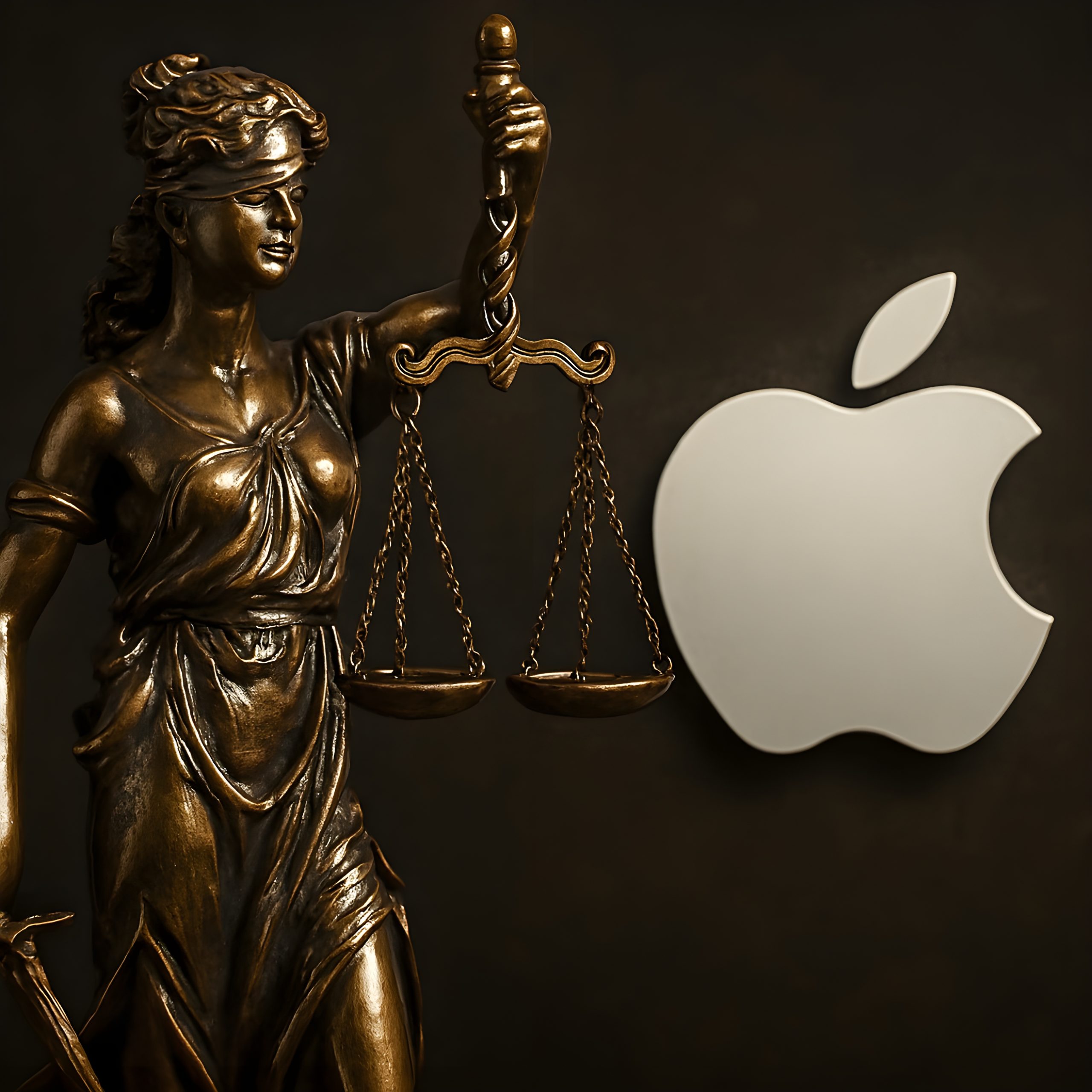
Apple hit with landmark UK ruling over App Store practices, faces potential £1.5 billion payout
Apple’s tight control over the App Store has taken a major hit in the UK. In a first-of-its-kind, US-style class action proceeding for the country, the Competition Appeal Tribunal has ruled against the company in a case brought on behalf of approximately 20 million iPhone and iPad users.
The claim, filed in January 2025 by British academic Rachel Kent, argued that Apple profits excessively by blocking competition in the distribution of apps and in-app purchases, imposing restrictive terms on developers, and charging commissions that ultimately inflate costs for UK consumers. The tribunal agreed with the core argument, putting Apple on the hook for around £1.5 billion (roughly $2 billion) in potential compensation.
Apple says it will appeal, calling the decision a flawed view of a thriving and competitive app economy. For now, consumers and developers should expect no immediate changes while appeals are pending, but the ruling adds serious momentum to global scrutiny of Apple’s App Store model.
A global pressure campaign on Apple’s App Store
The UK case arrives amid mounting legal and regulatory pressure across multiple markets:
– European Union: Under the Digital Markets Act, Apple now allows third-party app stores on devices in the EU, loosening its long-standing distribution controls.
– United States: In the Epic Games litigation, Apple was compelled to permit access to external payment methods and to allow the return of Fortnite. While Apple has complied, the company insists on collecting a commission on outside payments. A judge warned that continuing to do so could trigger contempt proceedings and even potential criminal exposure. Apple and Epic are back in court this week as Apple argues on appeal that the district court exceeded the scope of its 2021 order and punished the company for failing to comply with a ruling it says was unclear.
– Australia: Epic has asked the court to allow its apps to be sideloaded on Apple devices without any associated commission, reflecting growing demand for alternative distribution and payment options.
– China: Apple faces an antitrust complaint alleging it maintains a monopoly over app distribution and payment methods domestically, while permitting off–App Store payments and third-party app stores in other regions.
Why this matters for consumers and developers
If the UK ruling stands after appeal, it could reshape how apps and in-app purchases are distributed and paid for in one of Apple’s largest markets. Consumers could benefit from more choice and potentially lower prices as competitive payment options emerge. Developers could see reduced fees and fewer restrictions, making it easier to reach users without surrendering as much revenue.
What to watch next
– Apple’s UK appeal and any adjustments to the compensation figure or remedy
– EU enforcement actions and how Apple implements alternative app stores and payments in practice
– US appellate outcomes in the Epic dispute and the scope of permissible commissions on external transactions
– Progress of Australian and Chinese cases and whether more markets pursue similar remedies
Key facts at a glance
– Who filed the UK case: Rachel Kent, on behalf of about 20 million iPhone and iPad users
– Tribunal outcome: Ruling against Apple on the core claim
– Potential liability: Around £1.5 billion (about $2 billion)
– Apple’s position: Will appeal; argues the ruling misreads a competitive app economy
– Bigger picture: Part of a global wave challenging Apple’s App Store fees, rules, and market power
The bottom line: The UK decision intensifies the legal spotlight on Apple’s App Store policies worldwide. While appeals will shape the final outcome, the momentum is clearly toward more competition, more payment choice, and greater regulatory oversight.