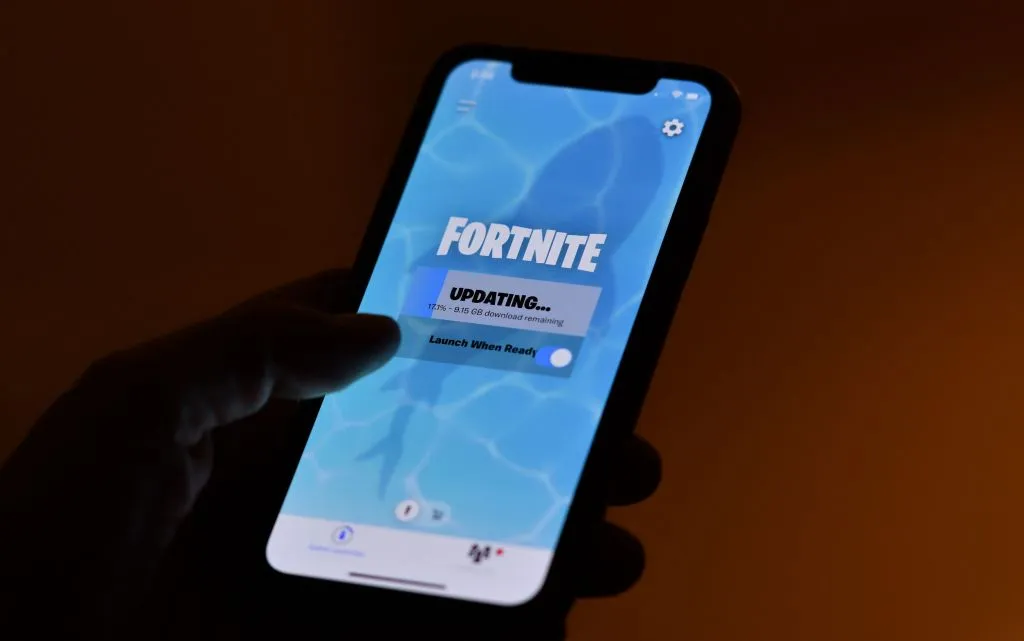
Fortnite is officially back on the U.S. Google Play Store, marking a major win for Epic Games and a notable shift in the ongoing fight over app store rules, in-app payments, and platform fees. The return follows Google’s compliance with a U.S. District Court injunction, after a long-running legal clash that reshaped how Android app distribution and payments can work in the United States.
This latest development comes at the tail end of a legal saga that began in 2020, when Epic added an alternative payment option inside Fortnite on both iOS and Android. By routing purchases around the built-in payment systems, Epic challenged the commissions and restrictions imposed by the major app platforms. The response was swift: both Apple and Google removed Fortnite from their app stores, and Epic filed antitrust lawsuits against each company soon after.
Why Fortnite disappeared from mobile app stores in the first place
At the center of the dispute was the percentage cut that platforms typically take from in-app purchases, along with rules that limit developers from steering users toward other payment methods. Epic’s position was that the app store operators were using their control over distribution to force developers into payment systems that came with steep commissions and strict terms.
The consequences were significant for players, too. Fortnite became harder to access on mobile, especially for users who preferred downloading apps directly through official storefronts rather than alternative install methods.
Google’s loss opens the door for alternative payments on Android
Epic now has reason to celebrate: Fortnite’s return to Google Play in the U.S. comes after Google lost in court, with the court finding the company engaged in anticompetitive behavior. Under the updated framework, Google must allow developers to point users to alternative payment mechanisms, and the fees Google can charge are capped.
Epic CEO Tim Sweeney described the outcome as a “comprehensive solution” and positioned it as a strong reaffirmation of Android’s identity as an open platform. For developers, the implications go beyond Fortnite. The ruling and settlement terms signal that Google Play policies in the U.S. may be less restrictive around billing options, potentially giving app makers more flexibility to manage payments and reduce costs.
Epic also noted it is continuing to work with Google to get court approval of the settlement, and indicated that more news is expected regarding Fortnite’s wider return to Google Play in additional regions.
Apple case: a mixed outcome for Epic and developers
While Epic’s situation with Google is trending in a favorable direction, the Apple side of the story remains more complicated.
In the Apple case, the court previously ruled that Apple was not a monopolist. However, Apple was ordered to allow developers to direct users to other payment options if they chose. Apple has continued to contest key parts of that requirement, and a new appeals court update partially overturned parts of the earlier terms, calling some restrictions “overbroad.”
The newer ruling includes two points that stand out:
Apple can restrict how developers present external payment links, including telling developers not to make those links bigger or more prominent than Apple’s own options.
Apple is allowed to charge a fee on purchases made outside the App Store.
That second point is especially significant. Developers had viewed external payment options as a path to avoiding Apple’s traditional commission structure. Allowing Apple to impose a fee even when purchases happen outside its payment system reduces the financial benefit of steering users away from in-app purchases and could impact how developers price subscriptions and digital goods on iOS.
What Fortnite’s return to Google Play means for players and the mobile gaming market
For U.S. Android players, Fortnite being back on Google Play is the simple headline—but the bigger story is what it signals about the future of mobile app stores. This case reinforces that app distribution and in-app payments are now being shaped not only by platform policy, but by courts and regulators as well.
For developers, these outcomes highlight two diverging approaches: Android in the U.S. may be moving toward more payment flexibility under legal pressure, while iOS continues to defend tighter control—even as courts push for some openness.
For now, Epic’s message is clear: Fortnite is back on the Google Play Store in the United States, and the company is working toward expanding that availability further.