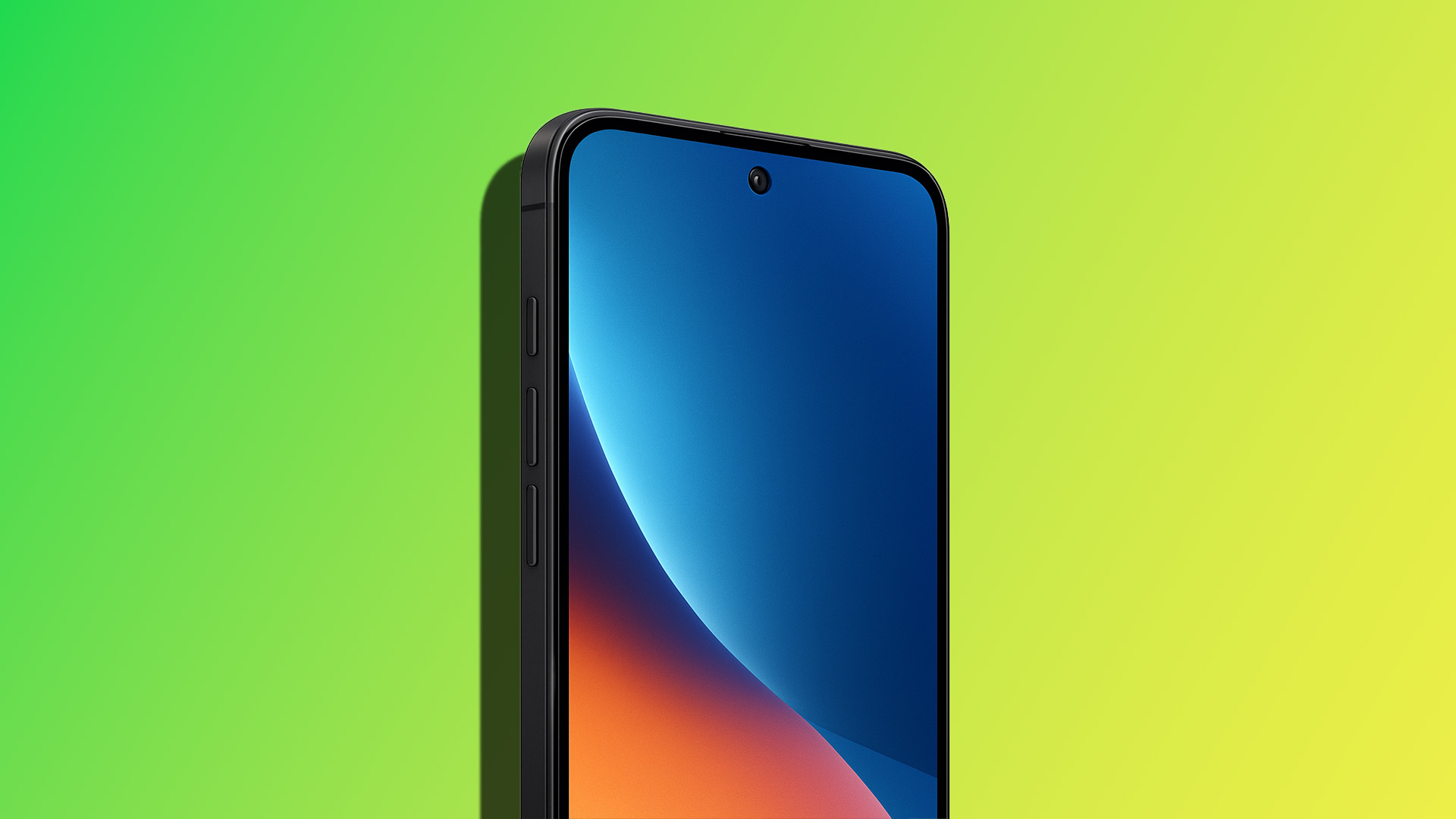
Apple may be gearing up for one of its biggest iPhone redesigns in years, and it could come with a shake-up to the entire lineup. Rumors suggest the company is considering reducing its usual four-flagship roster to three as it tests a broader strategy that makes room for a rumored foldable iPhone. At the same time, the iPhone 18 family is said to be in line for a major visual overhaul from front to back, with a focus on a cleaner, more immersive display.
One of the headline changes reportedly on the table is in-screen Face ID. By moving the TrueDepth components under the OLED panel, Apple could eliminate the familiar notch and even the pill-shaped cutout used by recent models. If testing goes to plan, the company’s premium models could shift to a minimal punch-hole design as soon as 2026, bringing the iPhone closer to a true edge-to-edge look.
A tipster on Weibo, Smart Pikachu, claims Apple is experimenting with a process described as the splicing of micro-transparent glass to achieve under-display Face ID. This aligns with earlier whispers that the iPhone 18 series could also adopt a slightly transparent back glass and ditch the current two-tone finish. Some rivals have already tried hiding front cameras beneath the screen, chasing a seamless full-screen experience, but image quality often takes a hit when sensors sit behind the display layer.
That challenge is particularly relevant for Face ID. The system relies on precise depth mapping and camera data, and an OLED layer can interfere with both. The big question is whether Apple’s implementation can preserve the speed and reliability users expect. While details remain scarce, the company’s track record suggests it will be leaning heavily on a combination of bespoke hardware, sensor calibration, and computational techniques to overcome those hurdles.
Even without step-by-step technical specifics, the rumor fits into a larger roadmap that points to a fully uninterrupted iPhone display—no notches, no punch-holes, and razor-thin bezels. This ultimate design is said to be part of a 2027 release, and there’s even chatter that Apple might skip a number to call the lineup iPhone 20, aligning with the 20th anniversary of the original iPhone. If accurate, the iPhone 18 would be a pivotal step toward that milestone, laying groundwork for under-display biometrics and a refreshed back-glass aesthetic.
What does this mean for shoppers and upgraders? If Apple trims the lineup to three flagships while testing a foldable and pushes ahead with in-screen Face ID, expect clear differentiation at the top end. A punch-hole display would offer a cleaner canvas for media and gaming, while a new rear-glass treatment could give the iPhone 18 family a distinct visual identity. Just remember that these changes are still in the testing and rumor phase, and Apple’s final decisions often come down to balancing cutting-edge tech with real-world reliability.
Bottom line: a punch-hole iPhone powered by under-display Face ID is looking increasingly plausible, with a truly full-screen model targeted a year later. As always, timelines can shift, but the direction is clear—fewer visual interruptions, slimmer bezels, and a lineup strategy that leaves room for something foldable.
Likelihood of accuracy: Plausible (41-60%) based on current rumors and industry trends.


