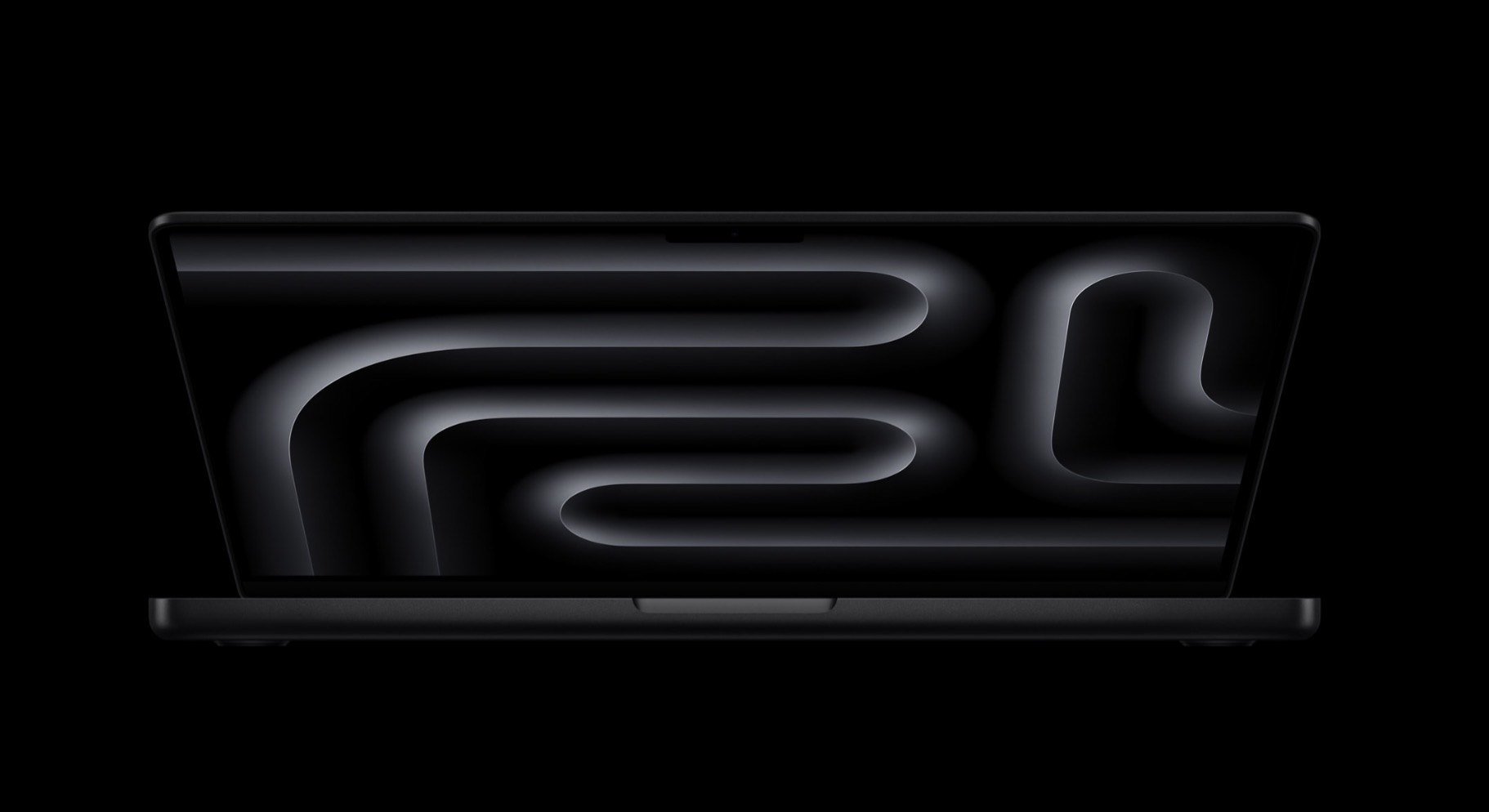
Apple’s new 14-inch MacBook Pro is here with a surprise that’s stirring debate: European buyers won’t find a charger in the box. This change is limited to Europe; customers in other regions will still receive a 70W USB-C power adapter with their laptop. Apple says the move is part of its ongoing effort to reduce electronic waste, echoing the same sustainability rationale it used when removing chargers from iPhone packaging. Even so, it does mean an extra purchase for many buyers in the EU.
If you’re in Europe and planning to pick up the latest model, your charging options are straightforward:
– Buy Apple’s official USB-C power adapter
– Choose a compatible third-party USB-C charger
– Reuse an existing USB-C charger you already own
This isn’t an isolated decision. The company has been phasing out in-box chargers across much of its lineup, and even the recent AirPods Pro 4 skipped not only the charger but also the charging cable. Expect more products to follow suit, making separate charger purchases the norm for new devices.
Beyond the charger situation, the 14-inch MacBook Pro refresh centers on the new M5 chip. It’s the star of the update, delivering faster performance than the previous generation while boosting power efficiency for longer work sessions away from an outlet. That combination aims to offer smoother multitasking, speedier compile times, quicker media exports, and better battery stamina in everyday use.
Outside of the silicon and internal improvements, the rest of the package will feel familiar to recent MacBook Pro owners. This generation continues the focus on pro-grade performance, quiet thermals, and a premium build, with the M5 chip doing the heavy lifting for creators, developers, and power users who need reliable speed without sacrificing efficiency.
Why drop the charger now? The argument is sustainability. Shipping millions of devices without power bricks can reduce electronic waste and lower shipping footprints, especially as many users already own compatible USB-C chargers. On the other hand, the change shifts cost to buyers who don’t, which is why the move remains controversial. For those who do need a new adapter, make sure to choose a USB-C charger with enough wattage to meet the MacBook Pro’s power demands to maintain peak performance and fast charging.
As more reviews and real-world tests appear, we’ll get a clearer picture of how the M5 MacBook Pro stacks up in benchmarks, battery life, and thermal performance compared to its predecessor. For now, the message is clear: Apple is doubling down on sustainability-minded packaging while pushing its silicon roadmap forward.
What do you think about the no-charger policy in Europe? Smart environmental decision or a cost-cutting strategy that shifts the burden to buyers?