Apple is facing significant changes in the European market as it prepares to withdraw certain iPhone models from sale due to new regulatory requirements that demand compliance with updated technology standards. The European Union has introduced an amended Radio Equipment Directive, which mandates that smartphones and tablets must adopt a USB-C charging port by December 28th. This move is part of a broader initiative to standardize charging methods across devices, aiming for greater convenience and less electronic waste.
As one of the few major manufacturers still using the Lightning connector, Apple is particularly impacted by this change. While other tech companies transitioned away from microUSB long ago, Apple’s adherence to its proprietary Lightning standard means that it now faces a more abrupt adjustment.
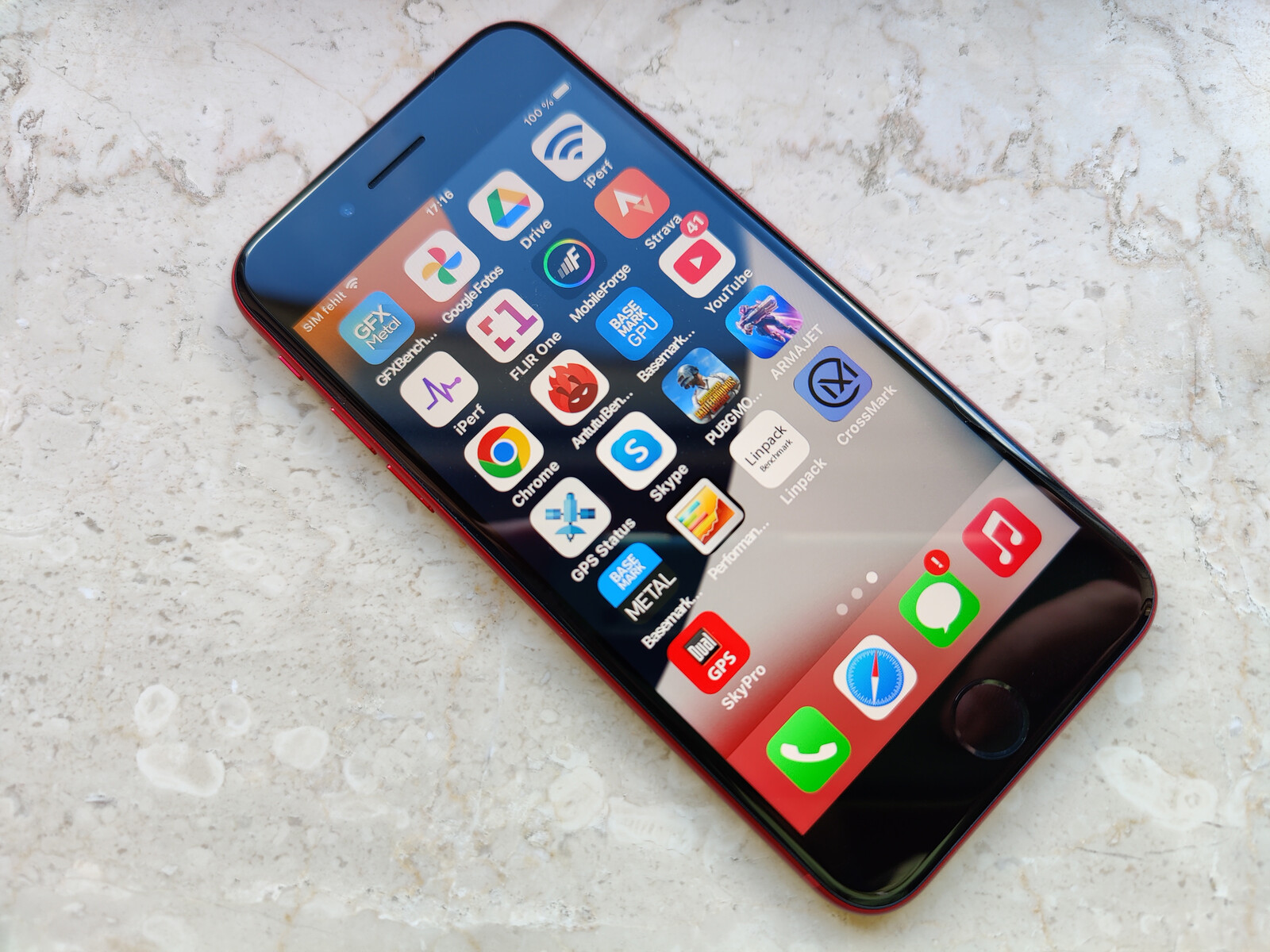
Among the models affected are the iPhone 14 and iPhone 14 Plus. Typically, Apple would continue offering these models for a longer duration, but with successors already available, the transition is expected to be manageable. However, the situation with the iPhone SE is less straightforward. The third-generation iPhone SE, known for its affordability, does not yet have a successor, leaving a gap in Apple’s lineup for budget-friendly options.
There is hope for fans of the iPhone SE, though. Unverified reports suggest that a new iPhone SE 4 is in the works and could hit the market by spring 2025, with leaked details hinting at its possible features.
This regulatory shift underscores the ongoing evolution in consumer electronics, driven by both innovation and legislative efforts to streamline technology usage. As Apple aligns its products with these new standards, consumers and tech enthusiasts alike are keen to see what the future holds for both the company and the broader smartphone market.