Apple closes in on Qualcomm as smartphone chip market faces another slowdown
The global smartphone processor market is shifting quickly, with Apple gaining ground and Samsung strengthening its position while overall demand continues to weaken. MediaTek still leads the market for ARM-based smartphone chips, but the company has seen its share fall sharply as demand for budget and entry-level smartphones remains under pressure.
MediaTek now supplies around 28 percent of smartphone ARM SoCs, down from 34 percent previously. The drop highlights a broader slowdown in cheaper smartphone segments, where MediaTek has traditionally held a strong advantage.
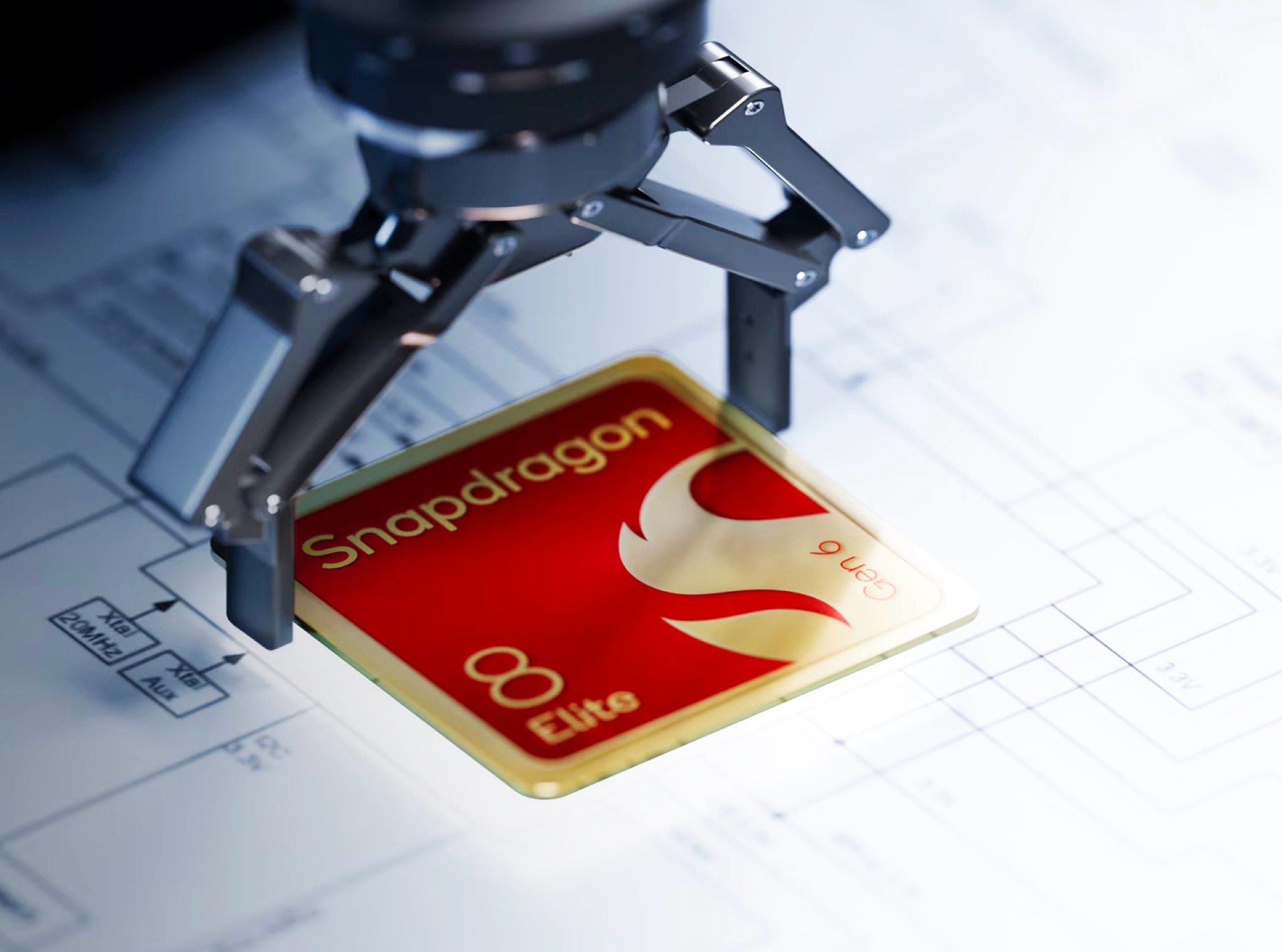
Qualcomm remains in second place, but its position has also softened. The company’s market share has slipped from 25 percent to 22 percent. One key reason is Samsung’s renewed use of its own Exynos processors in selected Galaxy S26 models, reducing reliance on Snapdragon chips in some regions.
That shift has helped Samsung Semiconductor increase its share of the smartphone chip market. Samsung is now estimated to hold 8 percent, up by two percentage points. While still far behind the top players, the gain shows that Samsung’s in-house chip strategy is becoming more important again.
Apple, meanwhile, is the standout performer. The company’s share has climbed by four percentage points to 21 percent, putting it very close to Qualcomm. Apple’s growth is supported by strong demand for iPhones and its continued use of custom-designed A-series chips, which gives the company tight control over performance, efficiency, and hardware integration.
The market changes come at a difficult time for the smartphone industry. Rising component costs are putting additional pressure on manufacturers, especially when it comes to memory. RAM prices are expected to rise by another 5 percent in the fourth quarter, with further increases likely next year.
As production costs climb and demand remains cautious, analysts expect the smartphone market to shrink by another 3 to 4 percent in 2027. This could make competition even tougher for chipmakers, particularly those heavily exposed to lower-cost Android devices.
For now, MediaTek remains the leader, Qualcomm is still ahead of Apple, and Samsung is slowly rebuilding momentum. But if current trends continue, Apple could soon challenge Qualcomm more directly in smartphone chip market share, marking a major shift in the mobile processor landscape.