Taiwan Panel Makers Target Automotive Displays as the Next Big Growth Engine
Taiwan’s display industry is entering a new phase as weakening consumer demand and rising global competition put pressure on traditional panel manufacturing. With markets such as smartphones, TVs, laptops, and monitors facing slower replacement cycles, panel makers are looking for more stable, higher-value opportunities. One of the most promising areas is the automotive display market.
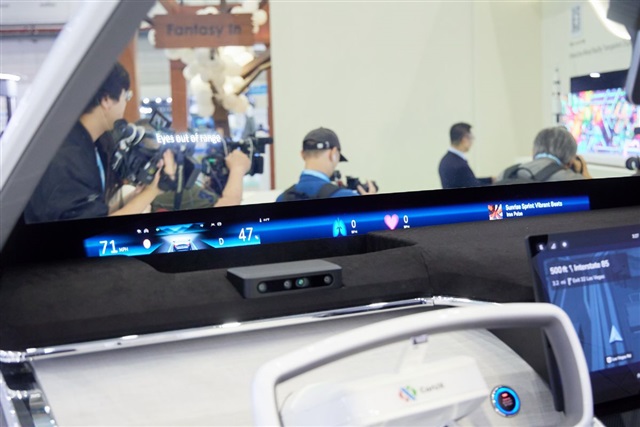
Automotive displays are becoming a central part of the modern driving experience. As vehicles evolve into connected, software-defined platforms, car interiors are rapidly shifting toward larger screens, multi-display layouts, digital dashboards, head-up displays, rear-seat entertainment systems, and advanced human-machine interfaces. This transformation is creating new demand for display technologies that offer high brightness, durability, responsiveness, and seamless integration with vehicle systems.
For Taiwan panel makers, this shift represents more than just another sales opportunity. It marks a move up the value chain. In the past, many display manufacturers mainly served as Tier 2 suppliers, providing components to larger automotive system integrators. Now, they are aiming to take on Tier 1 roles by offering complete display solutions and integrated cockpit systems directly to automakers.
This transition could reshape Taiwan’s role in the global automotive supply chain. Instead of simply producing panels, companies are working to deliver full display modules, touch systems, control interfaces, and smart cockpit platforms. By combining hardware with system-level integration, they can capture more value and build deeper relationships with car manufacturers.
The timing is important. Electric vehicles, autonomous driving features, and connected car services are accelerating the need for advanced in-cabin displays. Automakers are using screens not only for navigation and entertainment, but also for safety alerts, climate control, driver monitoring, and personalized digital experiences. As a result, the cockpit is becoming one of the most competitive areas in vehicle design.
Taiwanese suppliers are well positioned to benefit from this trend because of their experience in high-volume display production, supply chain management, and advanced panel technologies. Their expertise in LCD, OLED, mini-LED, touch integration, and large-format display manufacturing can help them meet the demanding requirements of the automotive sector.
However, the move into Tier 1 automotive display integration will not be easy. The automotive industry has strict standards for reliability, long product lifecycles, safety certification, and temperature resistance. Panel makers must also compete with established global automotive suppliers that already have strong relationships with major car brands.
Even so, the push into automotive displays offers a much-needed growth path for Taiwan’s panel industry. As traditional electronics markets become more volatile, automotive applications provide longer-term demand and higher margins. If Taiwan panel makers can successfully expand from component production into integrated smart cockpit solutions, they could secure a stronger position in one of the fastest-growing segments of the display market.
The global display industry is changing, and Taiwan’s leading manufacturers are adapting. Automotive displays are no longer just a niche product category; they are becoming a key battleground for the future of mobility. For Taiwan panel makers, success in this market could define the next chapter of their growth.