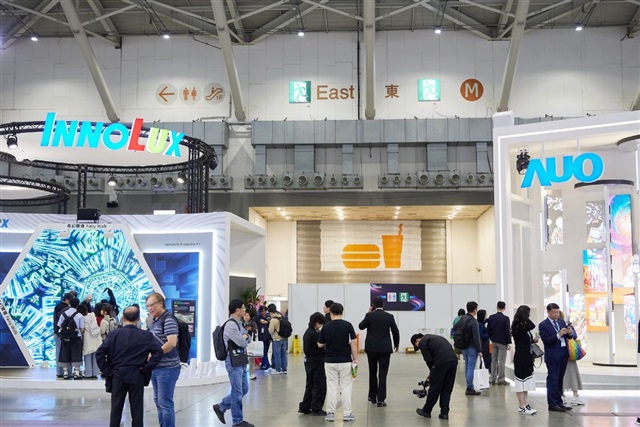
Taiwan Panel Makers Face Slower April as Consumer Electronics Demand Weakens
Taiwan’s display panel industry entered April 2026 with cooling momentum as the earlier wave of customer orders began to fade. After several months of demand being pulled forward by clients looking to secure supply ahead of schedule, major panel manufacturers are now seeing a more cautious market environment.
AUO, Innolux, HannStar, and Giantplus all showed signs of pressure in April revenue, reflecting softer demand across key consumer electronics categories. Products such as TVs, monitors, notebooks, tablets, and other display-driven devices have not seen the same level of urgency from buyers that supported shipments earlier in the year.
The slowdown suggests that the panel market is moving into a more selective phase. Instead of broad-based demand growth, customers appear to be managing inventories carefully and placing orders with greater discipline. This is especially important for Taiwan’s panel makers, which remain highly sensitive to shifts in consumer electronics purchasing cycles.
The earlier pull-forward effect gave the industry a temporary boost, but that support is now weakening. When brands and device makers place orders ahead of normal schedules, revenue can rise in the short term. However, once those early orders are fulfilled, later months may appear softer because demand has already been partially absorbed.
For panel suppliers, April’s results highlight the challenge of maintaining steady growth in a market where end-user demand remains uneven. Inflation concerns, cautious consumer spending, and slower replacement cycles for electronics continue to weigh on the display supply chain. Many consumers are holding onto existing devices longer, reducing the need for new screens in mainstream products.
AUO and Innolux, two of Taiwan’s largest panel companies, have been working to reduce reliance on traditional consumer display segments by expanding into higher-value applications. These include automotive displays, industrial panels, medical screens, smart retail solutions, and advanced display technologies. Such areas typically offer better margins and more stable demand than standard TV or monitor panels.
HannStar and Giantplus are also navigating the same market reality, where competition in commodity panels remains intense. Smaller and mid-sized panel makers often face greater pressure when demand weakens, making product mix and customer relationships increasingly important.
The April slowdown does not necessarily point to a long-term downturn, but it does show that the recovery in display panels is still fragile. Market conditions can shift quickly depending on inventory levels, seasonal demand, and the launch schedule of new consumer electronics products.
Looking ahead, Taiwan’s panel makers are expected to continue pushing into new growth areas beyond conventional displays. Emerging technologies tied to advanced packaging, high-speed data transmission, AI infrastructure, and co-packaged optics are becoming areas of interest as companies search for fresh revenue opportunities. While these fields may take time to scale, they could help panel-related companies diversify their businesses and reduce exposure to the volatile consumer electronics cycle.
Automotive displays are another major opportunity. As vehicles become more digital, demand is rising for larger dashboards, center consoles, rear-seat entertainment screens, and advanced human-machine interface systems. This trend gives panel makers a chance to supply products with longer life cycles and more stable order patterns.
The broader display panel market will likely depend on whether demand improves in the second half of 2026. Seasonal buying for back-to-school products, holiday electronics, and new device launches could provide some support. However, manufacturers will need to manage production carefully to avoid oversupply, which has historically pressured panel prices.
For now, April’s revenue performance shows that Taiwan’s panel industry is entering a more cautious period after benefiting from early customer orders. Weak consumer electronics demand remains the biggest headwind, but efforts to move into automotive, industrial, and next-generation technology markets could provide a stronger foundation for future growth.