Apple may be about to feel the squeeze from the global memory market in a way that even its massive market value can’t easily avoid. A new rumor suggests the company’s current long-term supply agreements for DRAM are nearing expiration, and once those contracts roll off, major memory suppliers could demand sharply higher prices. If that happens, the impact could start becoming visible as early as January 2026—right when consumers are expecting the next wave of Apple hardware.
The core issue is DRAM, a critical component used across Apple’s lineup. When DRAM prices surge, it doesn’t just affect one category like phones or laptops—it can ripple through everything from iPhones to MacBooks to other connected devices. The rumor points to Samsung and SK hynix potentially charging significant premiums once Apple’s long-term agreements end, taking advantage of tight supply and strong demand.
Adding pressure is the broader state of the memory industry. The chatter suggests suppliers are prioritizing the most profitable product mixes, which can leave other buyers paying more with less negotiating power than they’re used to. In this environment, even internal divisions at large electronics firms may not get preferential treatment if it reduces margins. The takeaway: this isn’t a “business as usual” year for memory procurement, and big buyers may be forced to compete on price.
If the higher DRAM costs land the way the rumor claims, a long list of upcoming Apple products could be affected. That includes devices expected over the next year or two, such as a future lower-cost MacBook, a MacBook Air with Apple’s M5 chip, an iPhone 18 lineup, a foldable iPhone, and a redesigned OLED MacBook Pro tied to Apple’s M6 generation. When one component category becomes more expensive across the board, manufacturers typically face a decision: absorb the extra cost, reduce margins, or raise retail prices.
Where Apple may have an advantage is in how much of its technology stack it controls. The company has billions in cash reserves, giving it more flexibility than most brands to cushion temporary spikes in component pricing. More importantly, Apple’s continued push toward in-house silicon could help offset some of the added memory costs with savings elsewhere in the bill of materials.
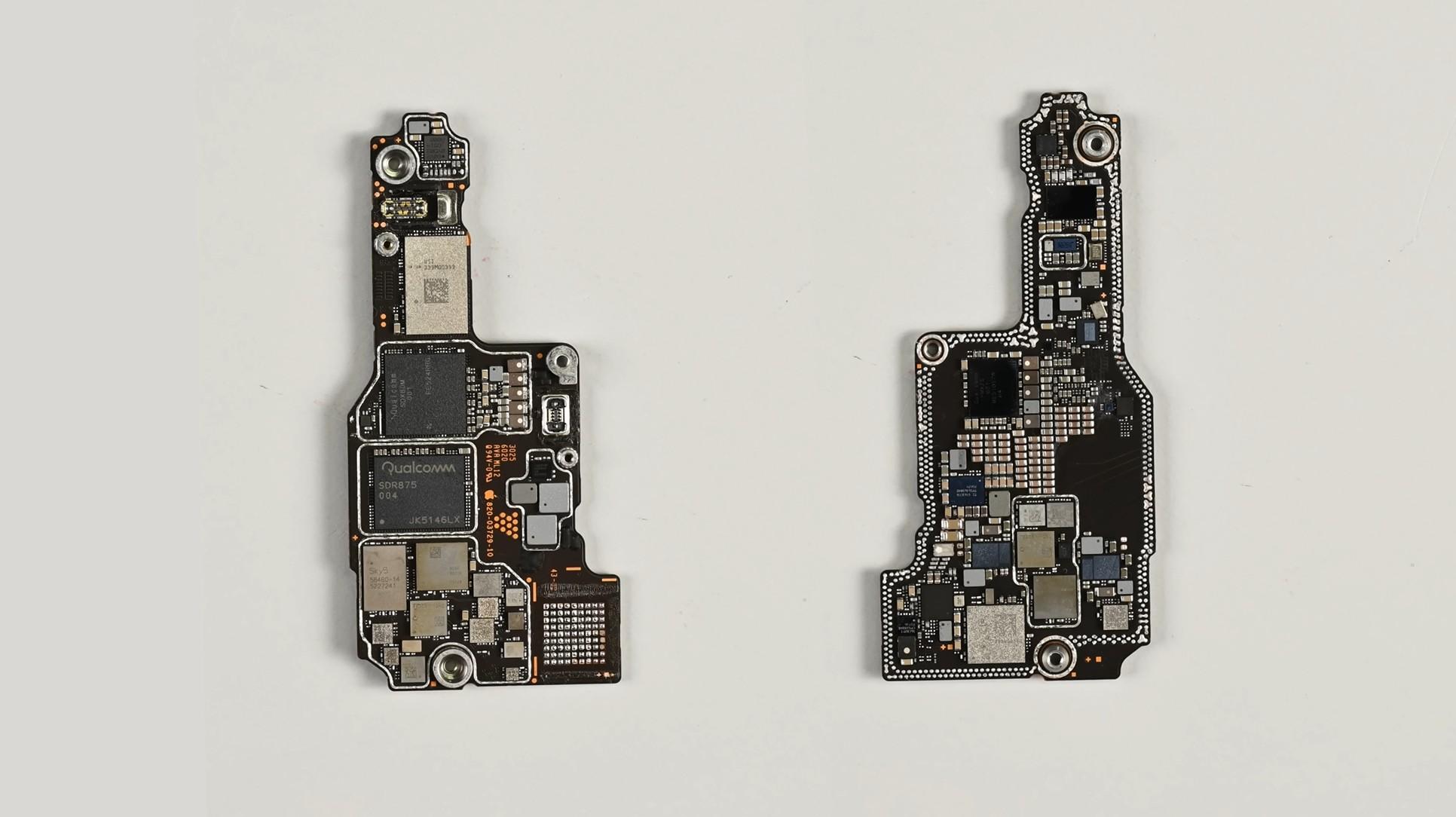
One example raised in the rumor is Apple’s move into its own cellular modems. The C1 modem used in the iPhone 16e is estimated to save Apple around $10 per device. On a single unit, that doesn’t sound transformative—but across millions of shipments, it becomes a meaningful buffer that can help soften the blow of rising component prices like DRAM. The same report claims Apple’s next modem, the C2, has been in development for months and is expected to appear in future flagship models, extending those savings into 2026 and beyond.
Apple also benefits from relying on its custom A-series processors across iPhones, rather than purchasing off-the-shelf smartphone chips. That level of vertical integration can translate into better cost control and more predictable planning, particularly when other parts of the supply chain become volatile.
Still, none of that guarantees consumers will be spared. The rumor warns that Apple may still raise prices, including for iPhones, within the first half of 2026. At the same time, other mobile chipmakers are also reportedly facing rising costs and exploring more exclusive approaches to next-generation memory standards, which highlights how widespread the pressure is across the industry.
For shoppers, the practical implication is simple: if DRAM pricing spikes and stays elevated into 2026, the next generation of Apple devices may be priced higher than expected—even if the upgrades look incremental on the surface. Anyone planning a 2026 iPhone upgrade or waiting for Apple’s next MacBook refresh may want to keep a close eye on pricing rumors and launch-day MSRPs, because memory costs have a way of showing up in the final price tag faster than most people realize.