Apple could be heading into a tougher—and more expensive—memory market just as it prepares its next wave of devices, and that may have real consequences for shoppers watching the iPhone 18 and future MacBook Pro pricing.
Recent chatter in the supply chain suggested Apple’s long-term agreements (LTAs) with key memory providers for DRAM were set to end in January. If those contracts truly roll off without a comparable replacement, the timing couldn’t be worse: the broader industry is dealing with a major pricing squeeze, and no big tech company is completely insulated from it. Even Apple, known for negotiating favorable component deals at scale, may have limited room to maneuver this time.
The latest report claims Apple’s current DRAM supply agreements only cover the first half of 2026. What happens after that is the big question—and it’s where consumers may start to feel the impact. If Apple can’t lock in predictable pricing for the second half of the year, the company could be forced to absorb higher costs or pass some of them along through increased retail prices.
Memory prices are reportedly climbing fast, with mobile DRAM projected to rise by around 70 percent and NAND flash by as much as 100 percent. That’s significant because these components heavily influence the cost of modern smartphones and laptops—especially models with more RAM and larger storage capacities.
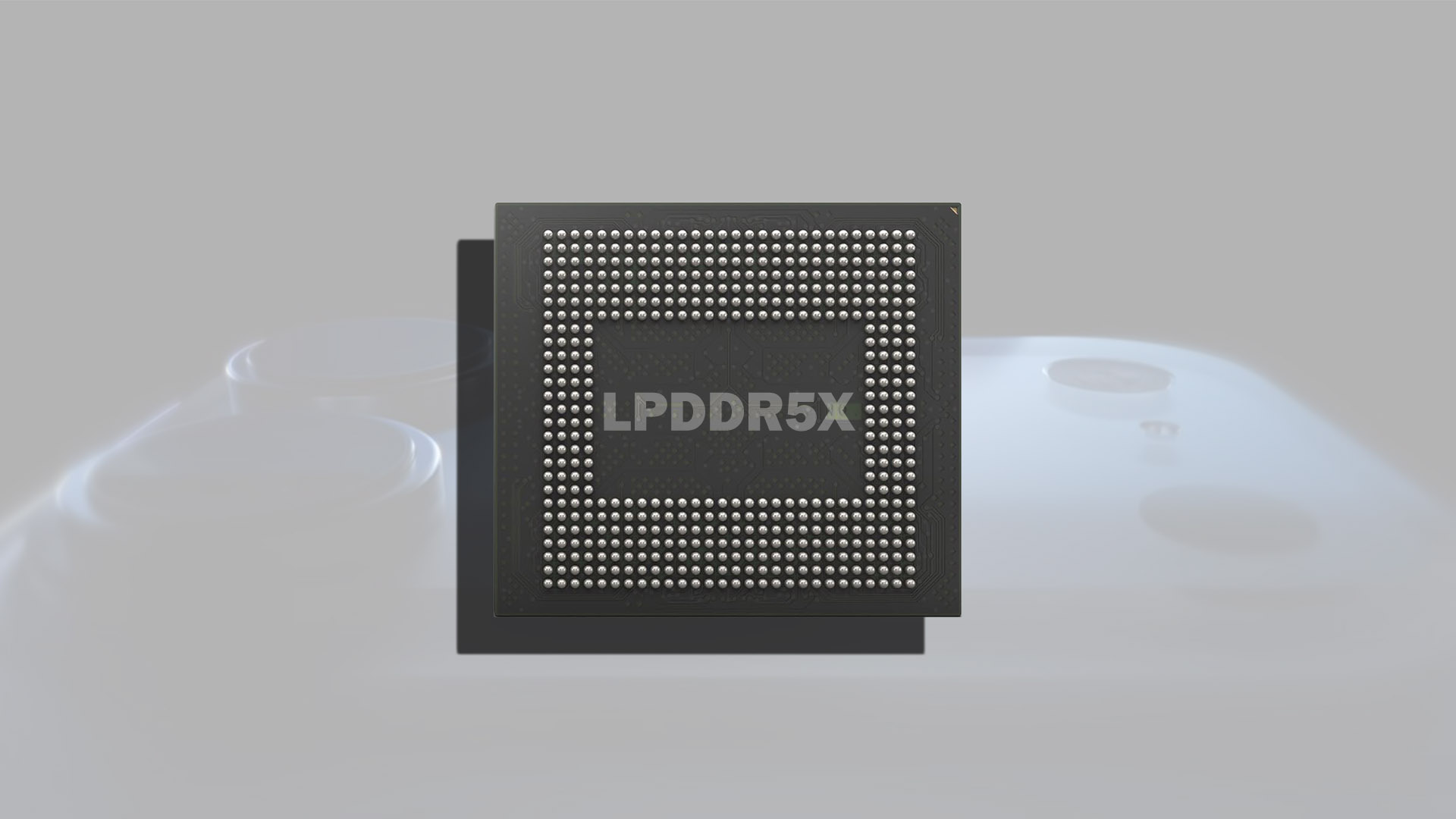
One striking detail from the report is what Apple is said to be paying right now: about $70 for a 12GB LPDDR5X RAM package. That figure is described as a 230 percent premium compared to pricing at the beginning of 2025. When a core component like DRAM jumps that sharply, it becomes harder for even the largest brands to keep device prices steady.
There may be some near-term breathing room for Apple’s high-volume products, since massive iPhone shipments can still give it negotiating leverage. However, the models most likely to see price pressure are the ones that already include more costly memory configurations—namely higher-storage versions of the iPhone 18, which could become noticeably more expensive if NAND pricing keeps surging.
On the flip side, devices launching earlier or falling under the first-half-2026 coverage window may be better protected. The report suggests products such as the iPhone 17e and refreshed MacBook Pro models expected to feature M5 Pro and M5 Max upgrades could be less exposed to those later price spikes, assuming their memory sourcing is secured under existing terms.
The concern doesn’t stop with iPhones. A redesigned MacBook Pro with an OLED display—often discussed as part of Apple’s future premium laptop roadmap—could see a larger cost jump for multiple reasons. Moving from mini-LED to OLED is typically a pricey shift on its own, and when you layer on increased DRAM and NAND costs, the final price of a major redesign could climb substantially.
The bigger takeaway is that 2026 may be a challenging year for electronics pricing across the board. Memory makers stand to benefit most in this environment, while device manufacturers may have to make difficult choices on pricing, configurations, or margins. For consumers, that could translate into higher prices on premium storage tiers, more expensive “best spec” versions of flagship devices, and fewer deals on upgraded hardware.
If you’ve been planning a major phone or laptop upgrade, the next year could be a particularly important window to watch—because once component costs rise and new contracts reset, the next generation of devices may not land at the same prices buyers have gotten used to.