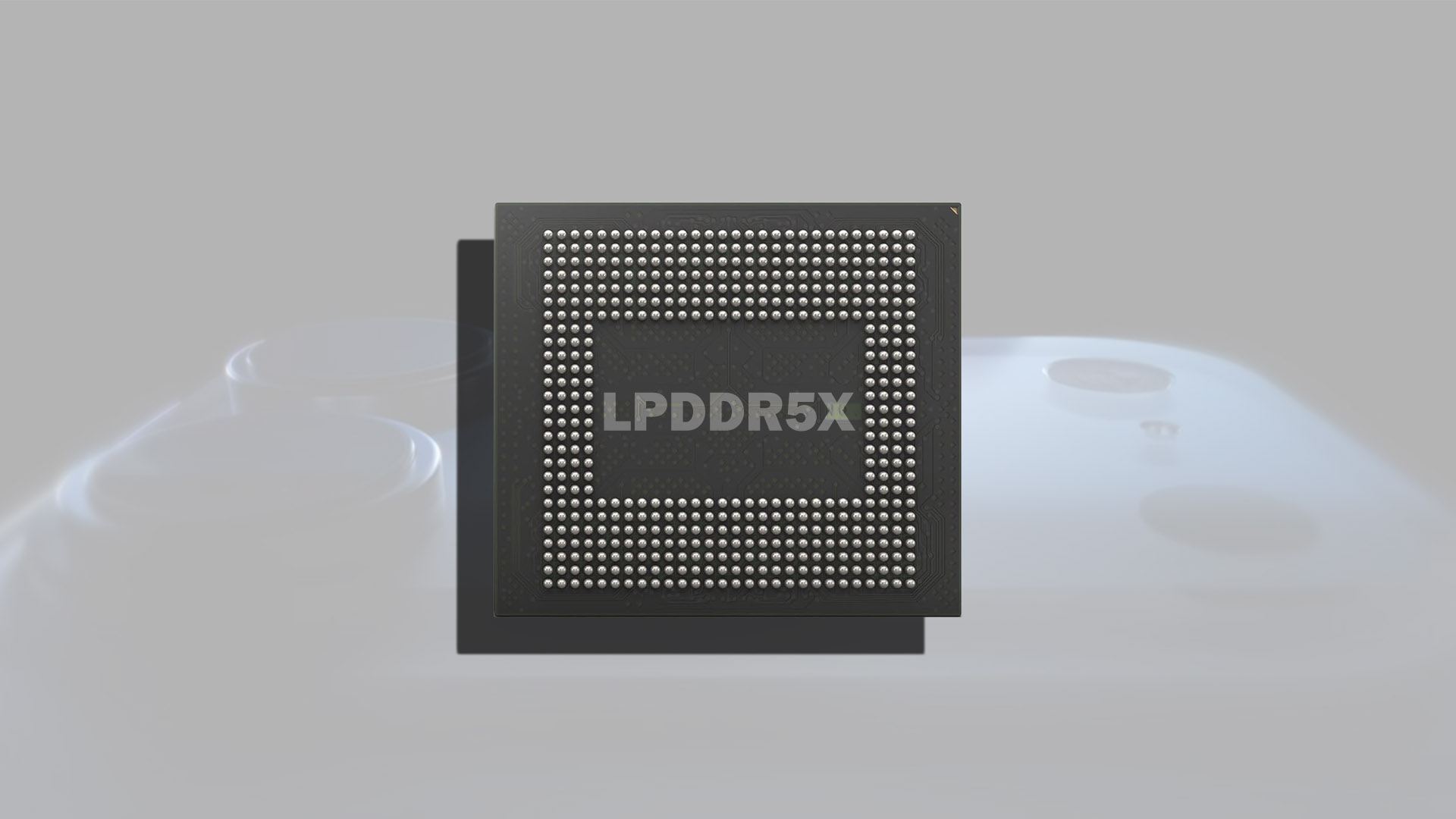
Apple is already laying the groundwork for the iPhone 18 lineup, even though the phones aren’t expected until Q4 2026. The company has reportedly placed a major advance order for memory, asking Samsung to supply about 13 million LPDDR5X 1b DRAM chips (10nm-class) for the second quarter of next year. The strategy is clear: secure critical components early to ensure performance headroom for AI and gaming while avoiding supply bottlenecks.
One standout change on the horizon is memory across the board. The entire iPhone 18 family is expected to ship with 12GB of LPDDR5X RAM as standard. That would be a notable step up from the base iPhone 17’s 8GB and aligns with Apple’s growing emphasis on on-device generative AI, advanced camera processing, and AAA-grade mobile gaming. This year marked the first time Apple pushed 12GB into select models like the iPhone Air, iPhone 17 Pro, and iPhone 17 Pro Max, and it appears that level is becoming the new baseline for 2026.
Bandwidth is getting an upgrade too. Reports indicate Apple will adopt a six-channel DRAM architecture in the iPhone 18 series, boosting memory throughput to better handle AI-driven features and demanding graphics workloads. Despite this push for speed, there’s no indication Apple will move to LPDDR6 next year; instead, it’s doubling down on mature, power-efficient LPDDR5X 1b.
On the supply side, Apple has approached multiple memory makers, including Micron and SK hynix. Industry chatter suggests Samsung is best positioned to meet Apple’s volume and timeline, especially now that its 1b DRAM yields have stabilized at levels clients find acceptable. If that holds, Samsung’s share of Apple’s DRAM business is likely to grow, complementing its long-standing role in OLED panel supply.
The rollout timing for 2026 also looks different from Apple’s usual playbook. Current expectations point to the iPhone 18 Pro, iPhone 18 Pro Max, and a foldable iPhone debuting first in late 2026, with the standard iPhone 18 model arriving in the first half of 2027. For buyers, that staggered schedule could signal a bigger leap in the Pro tier—especially around AI capabilities and gaming—followed by a mainstream model that inherits those upgrades a few months later.
There’s a broader hardware shift happening in parallel. Samsung is reportedly investing in new equipment to become the sole supplier of OLED panels for Apple’s M6 MacBook Pro, targeting a launch window in late 2026. That move underscores how closely the companies are working at the bleeding edge of displays and memory—key pillars for performance and battery efficiency across iPhone and Mac.
Bottom line: with 12GB RAM standard, six-channel memory, and early DRAM procurement, the iPhone 18 lineup is shaping up to deliver faster multitasking, smoother high-end gaming, and more capable on‑device AI. Locking in component supply now gives Apple a runway to optimize hardware and software together—and to keep its next flagship phones ahead of the curve.