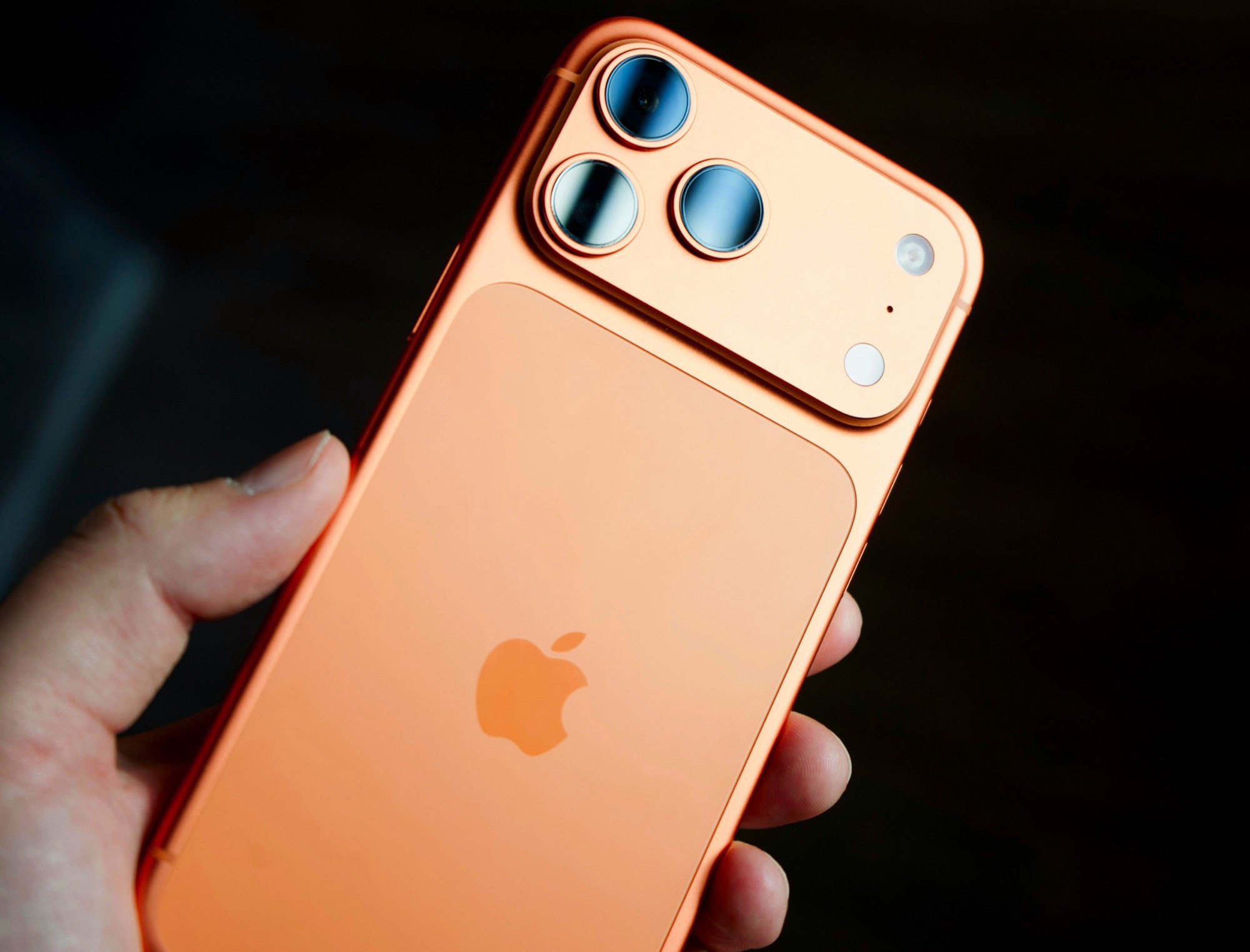
Apple’s next Pro iPhones could be facing a perfect storm of rising component costs, yet a new analyst expectation suggests shoppers might not feel it at checkout.
In recent weeks, talk around the iPhone 18 Pro and iPhone 18 Pro Max has leaned toward a possible price increase. The reason is simple: key parts that go into every flagship phone are getting more expensive. DRAM prices have been climbing quickly, and reports suggest Apple’s RAM costs have surged amid a broader supply crunch. At the same time, NAND flash storage pricing is also trending upward, which directly affects the cost of higher-capacity iPhone models.
On top of memory and storage, there’s the processor. The chip widely expected to power Apple’s 2026 Pro models, often referred to as the A20 Pro, is rumored to move to TSMC’s advanced 2nm manufacturing process. That cutting-edge node should bring performance and efficiency gains, but it also tends to come with a noticeably higher manufacturing bill compared to the 3nm generation used for earlier chips. In other words, even before Apple adds in cameras, displays, and everything else, the internal cost of building each iPhone 18 Pro may be headed up.
Despite these pressures, one analyst outlook points to Apple keeping pricing stable for the base configurations. The idea is that Apple could choose to absorb the higher bill of materials rather than pass it along to customers, even if that means slightly tighter profit margins on these models.
If that prediction holds, the starting prices in the United States would mirror the current generation’s Pro lineup: $1,099 for an iPhone 18 Pro with 256GB of storage and $1,199 for an iPhone 18 Pro Max with 256GB.
How could Apple pull that off when memory and chip costs are rising? The expectation is that Apple would lean heavily on its scale and negotiating power. That could mean pushing suppliers for better pricing, particularly in the DRAM supply chain, and looking for efficiencies elsewhere. Cost savings could also come from optimizing agreements for other core parts such as displays and camera components, helping offset the more expensive silicon and memory.
For anyone considering whether to upgrade, this is the key takeaway: higher component costs don’t automatically guarantee a higher iPhone price tag, especially if Apple decides maintaining familiar pricing is strategically more important than protecting margins.
The iPhone 18 lineup is still expected to follow Apple’s usual rhythm, with a reveal in September. As always, pricing decisions can shift closer to launch depending on supply conditions, component pricing, and market strategy—but for now, the latest expectation suggests the iPhone 18 Pro and iPhone 18 Pro Max may start at the same prices as their predecessors.