Kioxia Signals Relief on NAND Prices, and Apple Could Be a Major Beneficiary
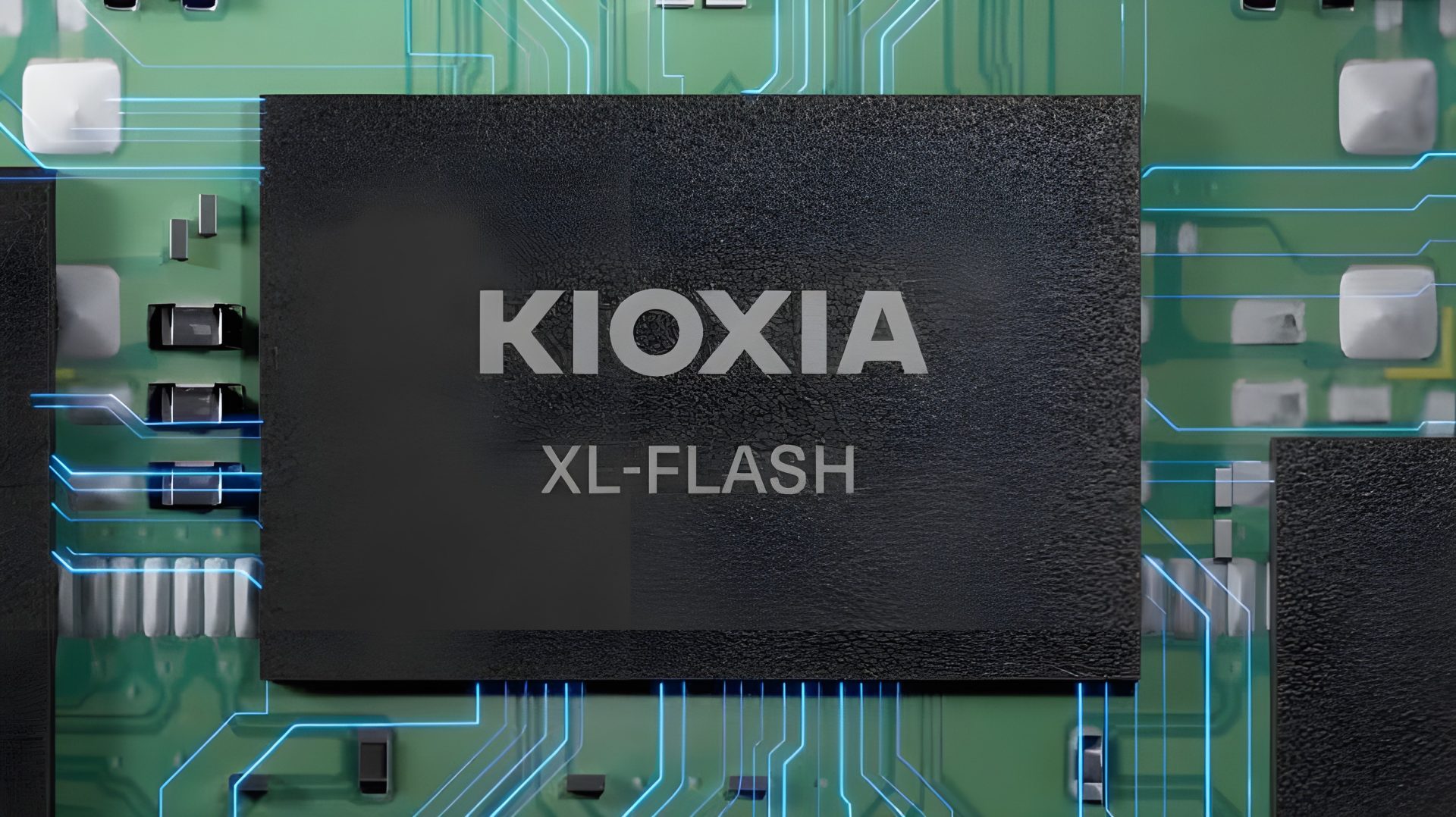
Kioxia may be taking a more cautious approach to memory chip pricing at a time when rising NAND costs have been putting pressure on some of the world’s biggest technology companies. In a rare move for the highly competitive semiconductor industry, Kioxia CEO Hiroo Ota has reportedly instructed the company’s sales teams not to aggressively seek major price increases from certain customers.
The comments are especially notable because NAND flash memory prices have climbed sharply in recent quarters. Kioxia raised prices for its NAND products by around 70 percent quarter over quarter during the three-month period that ended in June. However, Ota now appears to believe the market has reached a point where further steep increases could become harmful.
According to Ota, “prices have already risen enough.” He also noted that even large hyperscale data center operators have limited budgets, suggesting that pushing prices too far could weaken demand or create tension with major customers.
Although Ota specifically referred to data centers, Apple may also benefit from this more restrained pricing stance. Apple is one of Kioxia’s most important customers and reportedly accounts for about 20 percent of the company’s total revenue. That makes Apple Kioxia’s single largest customer, giving the iPhone maker significant strategic importance in any pricing discussions.
For Apple, any moderation in NAND flash pricing would be welcome. The company has already acknowledged that memory costs have been rising throughout the year. During its fiscal third-quarter 2026 earnings commentary, Apple said it paid more for memory in the March quarter than in the December quarter, then paid significantly more again in the June quarter. The company also warned that memory costs were expected to rise further in the September quarter.
That trend has created pressure across the consumer electronics market. NAND flash memory is a key component in smartphones, tablets, laptops, solid-state drives, servers, and many other devices. When memory prices rise quickly, device makers face a difficult choice: absorb the higher costs and protect consumers from price increases, or pass some of those costs on through higher product pricing.
Apple is better positioned than many competitors because of its scale, supply chain influence, and ability to manage inventory. Still, even Apple is not immune to higher component costs, especially when memory pricing rises across the entire industry.
Kioxia’s more cautious approach could therefore provide some relief. If the company avoids pushing for sharp additional increases, Apple and other major electronics brands may gain more stability in their supply chain planning. That could help reduce the risk of sudden cost spikes affecting future iPhone, iPad, Mac, and storage-related product pricing.
The timing is also important because Apple may be exploring ways to strengthen its negotiating position with memory suppliers. Reports have suggested that Apple has been in discussions with China-based memory manufacturer CXMT regarding a possible partnership. If those talks progress, Apple could gain another potential source of memory supply, which would give it additional leverage in pricing negotiations with established NAND and DRAM suppliers.
For Kioxia, the decision to avoid excessive price hikes may also be a strategic one. While higher NAND prices can improve short-term margins, pushing customers too hard could damage long-term relationships or encourage major buyers to diversify away from the company. Since Apple represents such a large share of Kioxia’s revenue, maintaining a stable and cooperative relationship with the tech giant is likely a priority.
The broader memory market has been recovering after a difficult downturn, with suppliers benefiting from tighter inventory, stronger demand from artificial intelligence infrastructure, and renewed spending from cloud and data center operators. However, Ota’s comments suggest that Kioxia is aware of the risks of overheating the market.
If NAND prices rise too quickly, customers may delay purchases, reduce orders, or seek alternative suppliers. That could create instability in a market that is only recently regaining momentum. By signaling that prices have climbed enough, Kioxia may be trying to support a healthier and more sustainable recovery.
For consumers, the impact may not be immediate, but it could matter over time. Memory costs influence the pricing and storage configurations of many consumer devices. If NAND pricing stabilizes, companies like Apple may have more flexibility when planning future products, especially models with higher storage capacities.
While this does not guarantee cheaper iPhones, iPads, Macs, or SSDs, it could reduce the chances of aggressive price increases caused by component inflation. At the very least, Kioxia’s position offers a more encouraging outlook for device makers that have been dealing with rising memory costs for several quarters.
In an industry where suppliers often push for maximum pricing power during an upswing, Kioxia’s stance stands out. The company appears to be prioritizing long-term market health and customer relationships over short-term gains. For Apple, data center customers, and the wider electronics supply chain, that could be a meaningful shift as the memory market enters its next phase.