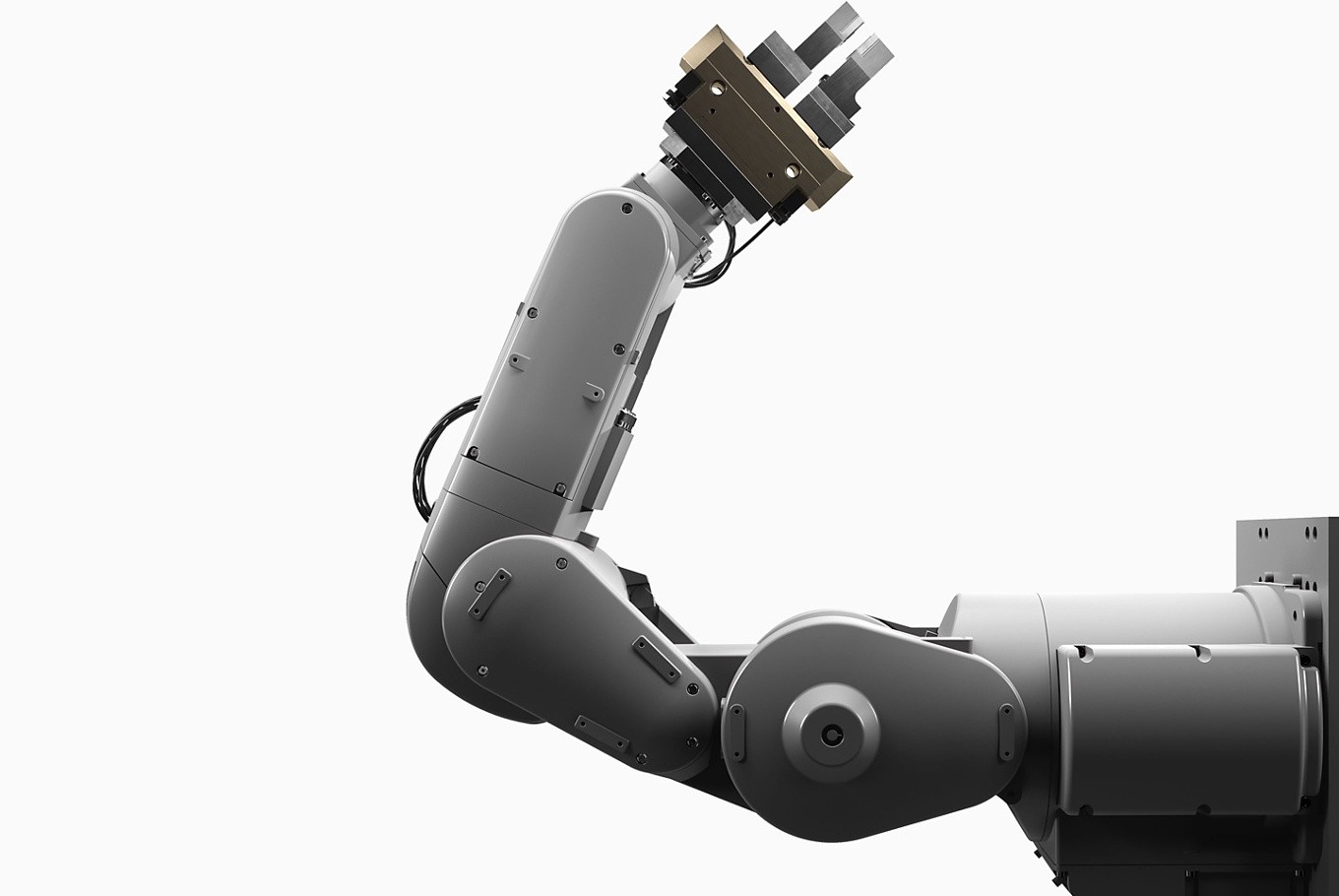
In the world of technology, Apple has never shied away from venturing into new territory. Recently, reports have surfaced that the tech behemoth is delving into the concept of creating a ‘mobile robot’ designed to assist in household environments. Apple’s vision includes a robot that can follow people around their homes, navigating through the chaos of everyday life and performing various tasks.
The concept of personal robotics isn’t new, but Apple’s approach indicates a significant step in making such technology a reality. The initiative is part of Apple’s ongoing efforts to discover what could be the ‘next big thing’ and harness the potential of AI. The key feature of these robots would be advanced algorithms enabling them to traverse through cluttered rooms and offer aid directly to their human counterparts, potentially handling tasks including dish cleaning.
Given the complexity of this technological frontier, the project is said to face monumental engineering challenges. The company’s engineers are tackling issues such as movement precision, object recognition, and adaptable decision-making in real-time living spaces.
Adaptations of robotic technology are already in competitive development, with products like Amazon’s Astro, which focuses on home security and assistance. While Apple’s envisioned robot may eventually compete in this market, there’s an emphasis on the fact that Apple will only proceed with a product launch if it is confident in its commercial viability.
Another innovative concept in consideration is a tabletop device capable of mimicking human movements, such as those made during a FaceTime call. This idea proposes the display attachment would follow the user’s head movements, creating a more engaging and interactive experience. However, this presents its own set of design difficulties, notably with the balance of the robotic motor on a compact base.
To add to the technical challenges, some within Apple’s executive ranks have reservations about developing such robots, reflecting internal debates similar to those faced during previous product developments. Despite such skepticism, products like the Apple Vision Pro demonstrate Apple’s commitment to pursuing innovation, even in the face of internal opposition.
While we’re keeping a pulse on Apple’s robotic endeavors, it’s clear that a potential market release, especially within the next half-decade, remains uncertain. Nonetheless, Apple’s foray into robotics highlights a broader trend of technology companies expanding their horizons, exploring how robotics and artificial intelligence can revolutionize the way we live within our homes.
As we await further developments, it’s undeniable that the potential of a mobile, task-oriented robot from Apple ignites fascination about the future of robotics in personal spaces. Whether the vision comes to fruition in the near term or remains a distant possibility, the conversation about integrating such tech in our daily lives continues to grow.


