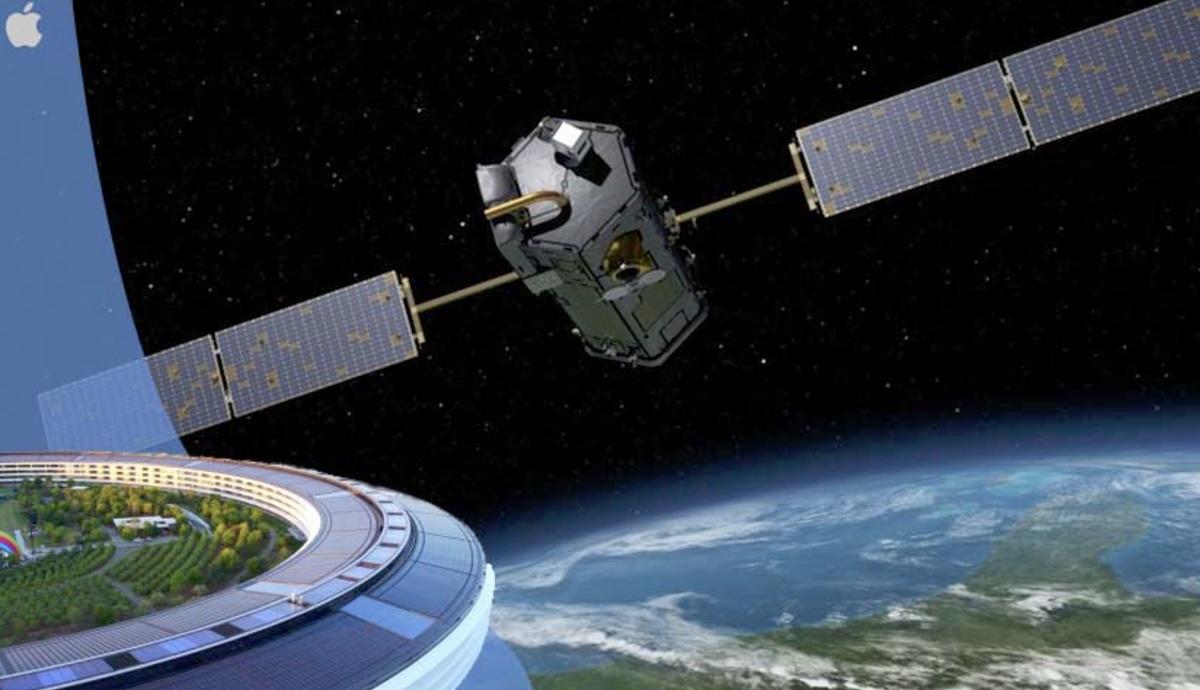
Apple’s satellite connectivity, first introduced with the iPhone 14 in 2022, has revolutionized emergency communication in remote areas with poor cellular service. Now, with the release of iOS 18.3, Apple takes this functionality a step further, enabling users to not only reach emergency services but also maintain contact with friends and family even when they’re off the grid.
Reports highlight Apple’s collaboration with T-Mobile and SpaceX to integrate Starlink satellite connectivity into the iPhone. This move marks a significant expansion of the feature beyond its original scope. T-Mobile and SpaceX’s partnership, initially publicized in 2022, promised Starlink satellite compatibility for Samsung’s Galaxy range; Apple users now join the fold with the latest iOS update.
A small group of iPhone users is currently participating in a beta test of this Starlink service, suggesting early stages with potential glitches expected to be resolved in future updates. This development arrives quietly, without note in Apple’s official changelog for iOS 18.3, yet eager users have already noticed its presence.
Those enrolled in T-Mobile’s beta program received confirmation stating, “You’re in the T-Mobile Starlink beta. You can now stay connected by texting via satellite from virtually anywhere. To start experiencing coverage beyond, please update to iOS 18.3.” For the time being, the service is limited to text messaging but there are plans to incorporate clear voice calls and data connectivity down the line.
In scenarios where cellular connectivity is absent, iPhones participating in the Starlink program will attempt to connect through SpaceX satellites, seamlessly allowing users to send texts via satellite. This option can be activated through a dedicated menu or used for contacting emergency services. While initially text-only, the plan is to expand the service to voice and data, eventually extending beyond the US market.
Comparing this to Apple’s existing Globalstar service, the Starlink approach offers a user-friendly enhancement — automatic connection without needing to aim your device skyward. This effortless functionality is set to become widely available in 2025, according to T-Mobile.
In summary, Apple’s forward move with Starlink and T-Mobile isn’t just another update; it represents a robust step towards universally connected communication, ensuring users remain in touch even in the most isolated locations. As this initiative develops, it promises a future where traditional service constraints become a thing of the past. Keep an eye out for more developments in this exciting crossover of satellite technology and mobile connectivity.