In an exciting new development for mobile phone technology, AT&T has been diligently working toward a revolutionary offering – implementing a broadband satellite communications service for smartphones. This groundbreaking move promises to extend vital communication capabilities to iPhone 12 and iPhone 13 users, bypassing the limitations of terrestrial networks. What makes this service stand out is the clever use of 5G chips, enabling compatibility with a broader range of smartphones without the need for specialized frequencies.
Emerging Satellite Service Features for the iPhone 12 and iPhone 13
AT&T’s satellite service is not merely a concept but a well-rounded communication offering that includes voice calls and text messaging. It boasts more extensive bandwidth connectivity, which is a significant enhancement for iPhone 12 and iPhone 13 devices. The intention behind these services is to alleviate the challenges faced by consumers in areas with sporadic connectivity and accessibility, bringing forth space-based direct-to-mobile technology.
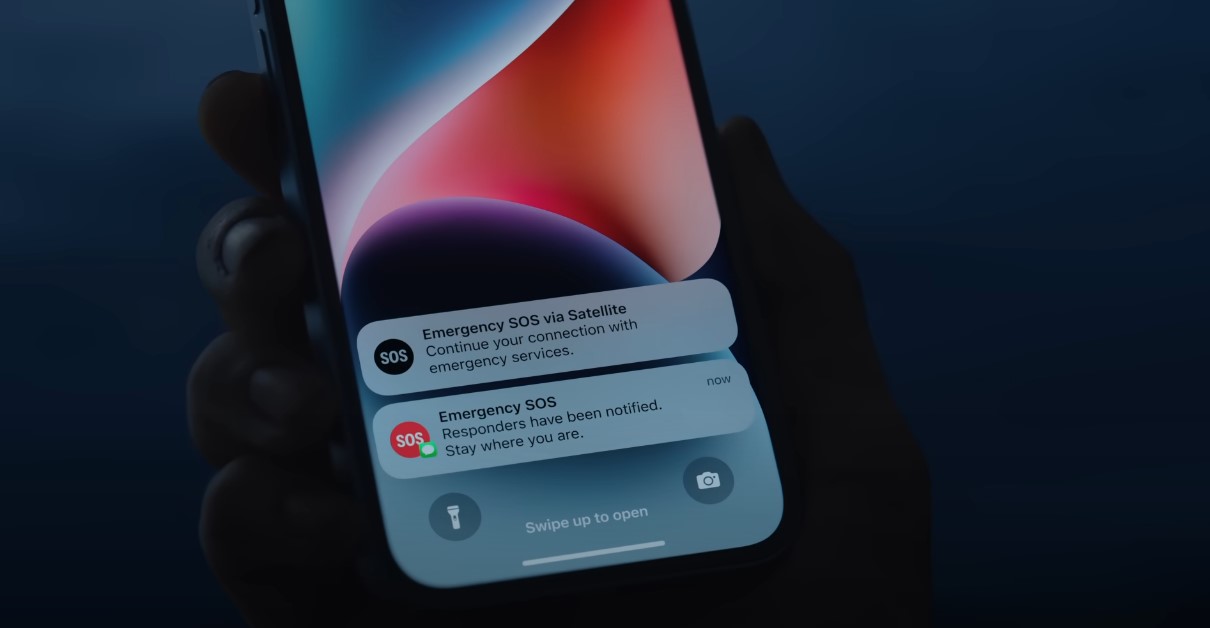
While Apple has paved the way with its Emergency SOS service via satellite, limited to text-based communications for iPhone 14 and newer models, AT&T proposes a more ambitious approach. They envision providing comprehensive 5G broadband services that surpass Apple’s offering, with support for both voice calls and texts. Although Apple’s service is constrained by the specific frequencies and radio chips incorporated into their latest phones, AT&T’s satellite service is planning greater functionality and a wider reach.
AT&T has reported successful voice call tests, although details regarding the quality of these calls are still under wraps. The conversation about satellite services for mobile phones is becoming more prominent, with T-Mobile exploring similar services via SpaceX’s Starlink. These initiatives, currently focused on text messaging, indicate a trend towards embracing satellite technology for enhanced mobile communication.
AT&T and AST SpaceMobile Joining Forces
The advancement of AT&T’s satellite services is bolstered by a partnership with AST SpaceMobile, aimed at establishing a strong foothold in the market for emergency satellite services. The collaboration, framed by a memorandum of understanding in 2018, has now evolved into a solid commercial agreement—as reported by Engadget—with both parties pursuing a shared goal to service previously unreachable consumers and locations.
This collaboration paves the way for AT&T subscribers to access reliable cell service in areas conventionally known as dead zones, including remote rural locations and secluded sections of national parks. As a result of this definitive commercial agreement, the transformation of regular phones into satellite-connected devices is on the horizon.
Despite appearing to complement Apple’s technology, AT&T’s satellite services inevitably draw comparisons regarding the reliability and scope of emergency SOS features. While Apple’s reliance on specific radio frequencies ensures efficient transmission of vital information, AT&T’s utilization of the 5G radio spectrum opens the door to greater bandwidth — though potential latency issues associated with space relay may arise.
Details such as the service’s cost, its launch date, and initial geographical coverage remain ambiguous. Nonetheless, the operational aspect is progressing, with plans to launch five new AST satellites into orbit soon, indicating that enhanced satellite connectivity is near.
As these services unfold, they are set to redefine how we perceive and use our mobile devices in emergency situations, ensuring that even in the most secluded areas, help is just a call or a message away.


