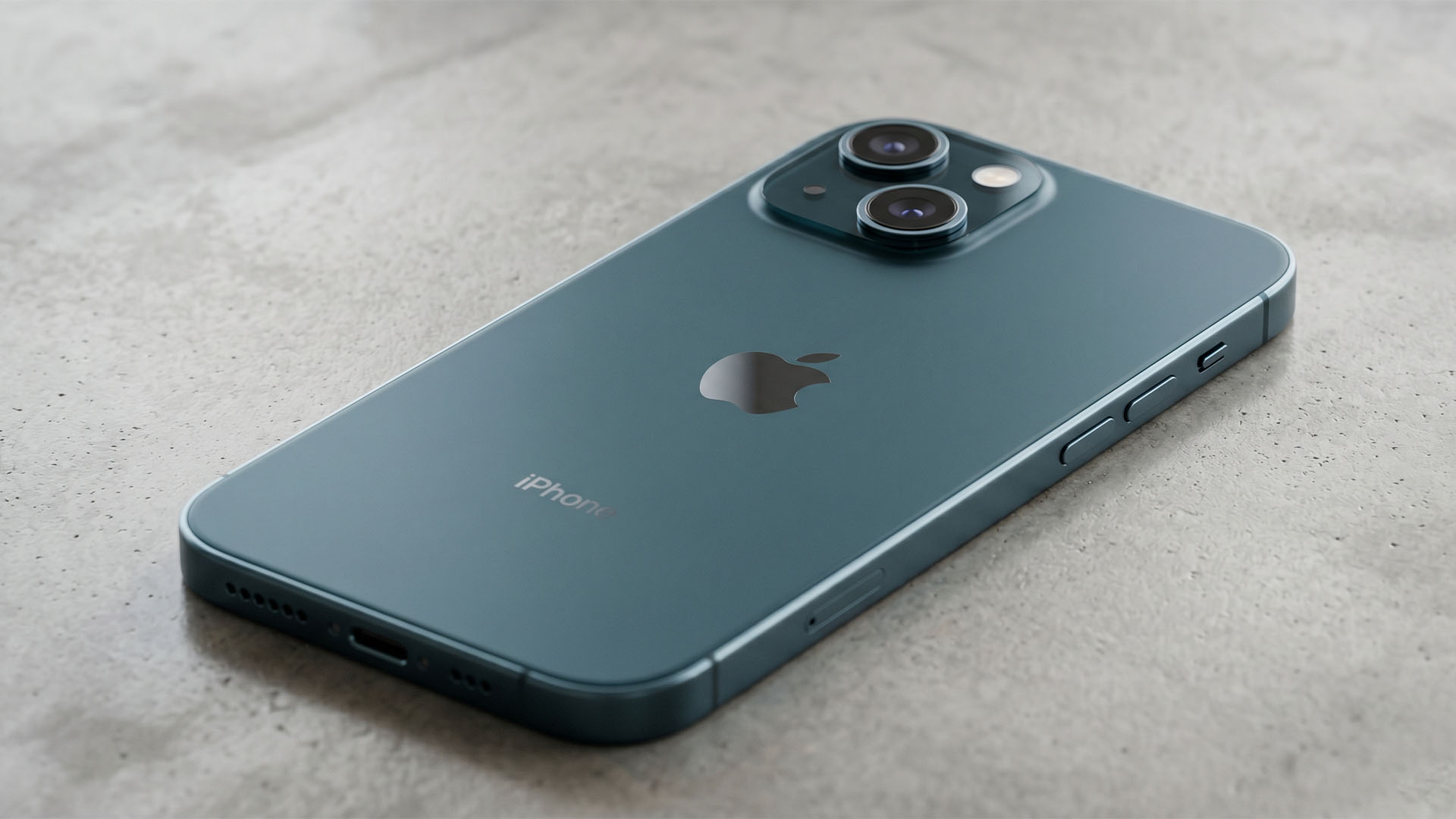
Apple’s aggressive spending on mobile DRAM is starting to show ripple effects across its iPhone roadmap, and a new analysis suggests the base iPhone 18 could be where the company makes noticeable compromises to keep costs under control.
The base iPhone 18 is expected to arrive in spring 2027, launching alongside the iPhone 18e and a second-generation iPhone Air. According to the latest claims, Apple’s cost-cutting could center on the display, with the standard iPhone 18 potentially using an older OLED panel generation rather than the newest technology reserved for the premium models.
One of the more striking possibilities is that the base iPhone 18 could be pushed down to an M14 OLED panel, or even an “M12+” variant. Right now, M12+ is described as the most likely outcome. In practical terms, that would mean Apple’s entry iPhone 18 model may not deliver the same year-over-year display improvements that buyers typically expect when a new generation arrives.
To understand why that matters, it helps to know how OLED panel generations usually work. Display makers tend to roll meaningful upgrades into each new “M” generation, improving efficiency, brightness, and overall performance. The iPhone 18 Pro and iPhone 18 Pro Max are rumored to use M16 panels, which are expected to introduce a major shift by moving from blue fluorescent OLED material to blue phosphorescent material. That change is widely associated with better efficiency, which can translate into improved battery life or higher brightness at the same power draw.
By comparison, M12+ is positioned as a tuned or refined version of the M12 panels that originally appeared in flagship phones like the iPhone 14 Pro and the Galaxy S23 lineup. Even with refinements, it would still sit behind newer generations like M13 and M14 in the metrics that generally define progress for OLED screens.
If Apple does go this route, the marketing strategy is easy to predict. The company likely won’t spotlight panel-generation details during its launch presentation. Instead, it would focus attention on elements most consumers respond to immediately, such as the A20 chip, camera upgrades, industrial design changes, and new iOS features. The display would likely be described in broader terms, such as an “advanced OLED,” without emphasizing that it may be based on older underlying panel tech.
From a business standpoint, the reasoning behind a bigger gap between the base iPhone 18 and the iPhone 18 Pro models is straightforward. Apple sells huge volumes of its standard models, so standardizing a “good enough” display specification there can save meaningful money at scale. Meanwhile, pricier Pro devices—with higher margins—are better positioned to absorb rising costs tied to next-generation components, including modem expenses and the premium associated with advanced manufacturing nodes like 2nm chips. In that model, base iPhone sales help fund cutting-edge development, while the Pro line carries the most expensive hardware advancements.
If these rumors hold, shoppers comparing the iPhone 18 vs iPhone 18 Pro in 2027 could find the display is one of the clearest differentiators—making it more important than ever to look beyond Apple’s headline features and consider which model actually delivers the newest screen technology.


