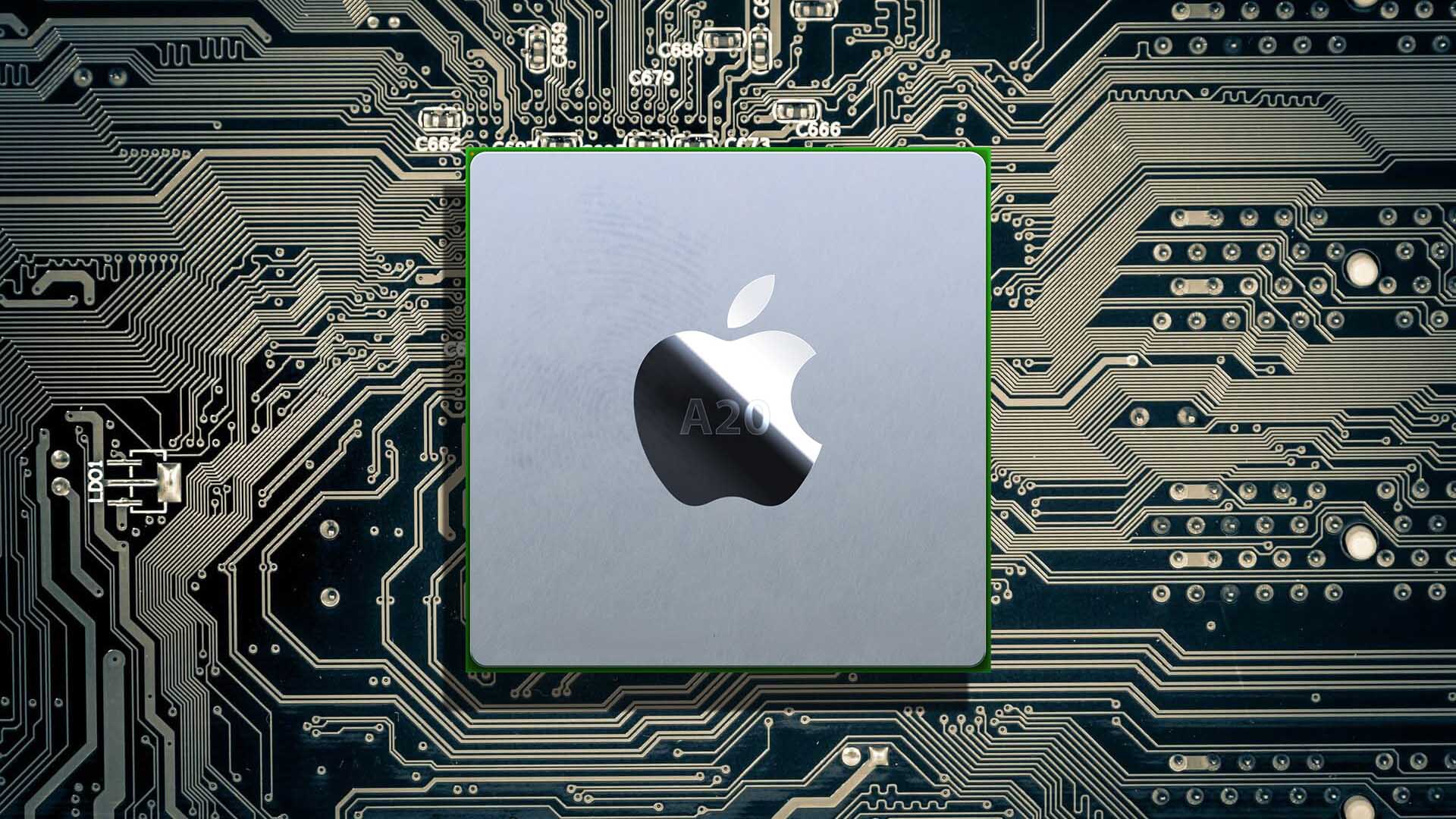
TSMC is making significant strides with its advanced 2nm node, reportedly achieving a 60 percent yield during its trial production phase. However, a recent report suggests that we might not see this cutting-edge technology utilized by its customers, such as Apple, in the near future. Apple may choose to stick with TSMC’s more established 3nm N3P node for the upcoming A20 chipset, expected to power the iPhone 18 series slated for release in late 2026.
This strategic decision comes as Apple plans to introduce the A19 and A19 Pro chipsets for the iPhone 17 series this year. Both new chipsets are also set to be manufactured on TSMC’s third-generation 3nm node. Interestingly, while there may not be differences in lithography between the A19, A19 Pro, and the A20, there could be advantages in packaging technology. This approach may reflect Apple’s caution in jumping straight onto the bleeding-edge manufacturing processes, which come with substantial wafer costs.
The A20 might benefit from TSMC’s CoWoS (Chip-on-Wafer-on-Substrate) packaging, offering tighter integration of its internal components. This methodology could potentially enhance both the performance and power efficiency of Apple’s chipsets. As technology advances and wafer costs soar, companies like Apple must innovate within existing lithography to maintain a competitive edge.
Industry insights from a research note by analyst Jeff Pu of GF Securities, noted by MacRumors, indicate that the A20 will utilize CoWoS packaging. This technology effectively integrates multiple components, such as performance and efficiency cores, the Neural Engine, GPU clusters, and cache, into a more compact form. This configuration saves space and enhances operational efficiency by reducing signal path lengths and boosting data transfer rates.
Moreover, Apple is reportedly considering TSMC’s SoIC-MH (Small Outline Integrated Circuit Molding-Horizontal) packaging for its high-end M5 SoC. This indicates a continued exploration of innovative packaging solutions that prioritize performance improvements over adopting newer, expensive manufacturing processes immediately. Such an approach allows Apple to stay competitive while maximizing the capabilities of current technology.